


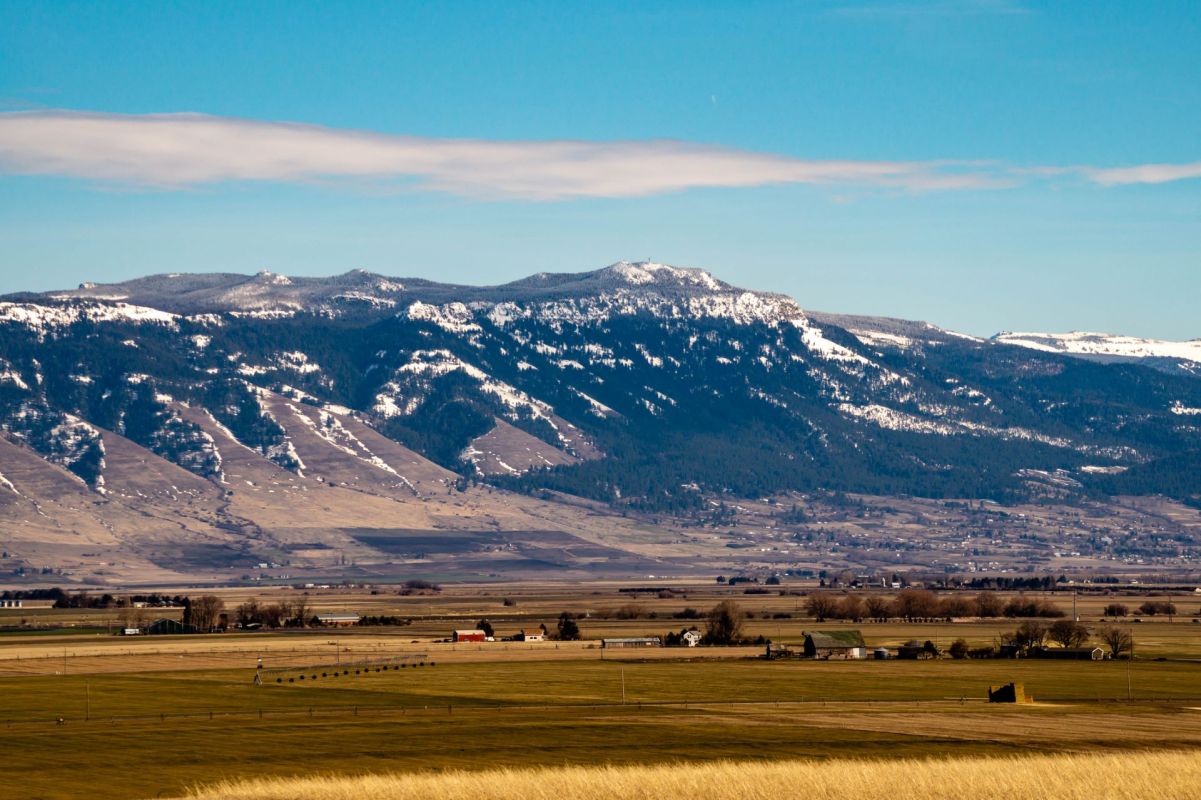
Wolves have killed or injured a number of livestock in Oregon in the past few months.
What's happening?
Hermiston Herald reported that wolves have killed a total of nine livestock in northeastern Oregon since August, which included two calves and seven sheep. Additionally, wolves also killed a guardian dog and injured at least three more calves.
According to Oregon State University, the wolf population saw a steady increase from 2009 to 2020, then again in 2024. In a survey conducted by the university, livestock producers were questioned about their interactions with wolves and how these interactions affected them economically.
Many producers reported increased costs in livestock management as they tried to avoid interactions between livestock and wolves. Additionally, some livestock producers reported seeing reductions in livestock revenue, as well as fewer cattle becoming pregnant, and more calves going missing.
Why are these wolf attacks concerning?
As indicated by the study conducted by Oregon State University, when wolves attack and kill livestock, it can create significant economic hardship for livestock producers. Keeping wolves away from livestock can also be labor-intensive, as producers must change how they manage their livestock or move them to new grazing locations.
Additionally, a reduced number of livestock produces less meat and dairy, which eventually affects consumers as less food is available and prices on remaining food increase.
TCD Picks » Quince Spotlight
💡These best-sellers from Quince deliver affordable, sustainable luxury for all




A surge in wolf attacks could also eventually result in a human-wolf interaction that ends with the person injured or killed, making communities unsafe.
When more animal attacks occur, though, chances are good that wild animals, like these wolves, have been forced to migrate from their natural habitats and closer to human ones. Between human population growth and a changing climate, more animals are seeing their habitats destroyed and shortages of natural resources vital to their existence.
How can I protect myself from wild animals?
The most significant way to protect yourself (and livestock if you're a livestock producer) from wild animals is by protecting the environment around you. When wild animals are allowed to stay in their natural habitats, they have no need to migrate closer to human populations, which reduces the chances of wildlife encounters.
Always being aware of your surroundings when venturing outdoors into areas where wild animals are known to be is critical to maintaining safety, as well.
|
Do you think America does a good job of protecting its natural beauty? Click your choice to see results and speak your mind. |
 Definitely 👍
Join our free newsletter for good news and useful tips, and don't miss this cool list of easy ways to help yourself while helping the planet.







