


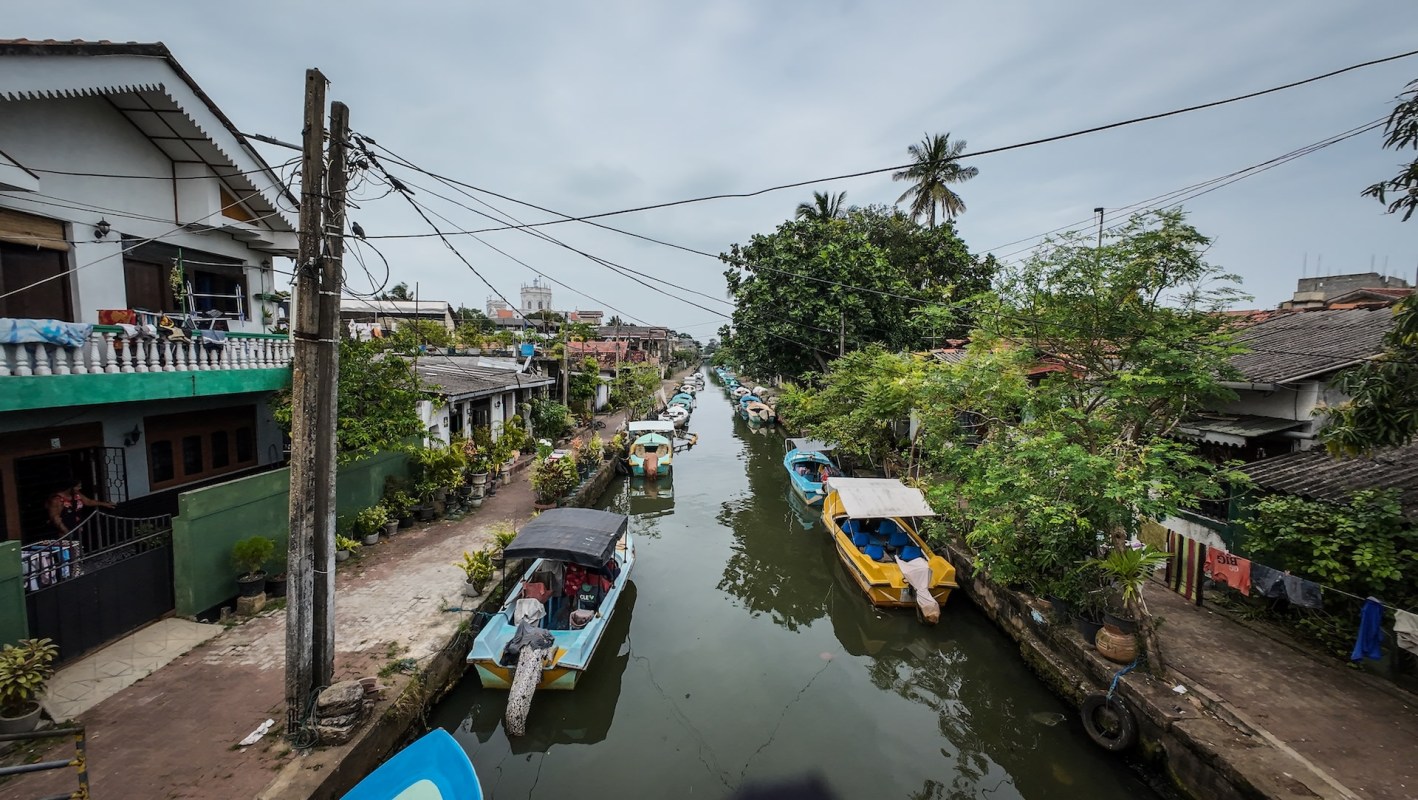
A fast-spreading mollusk of South American origin is slowly invading Southeast Asian waters, and scientists are alarmed, Mongabay reported.
What's happening?
The black mussel has been discovered in Sri Lanka's coastal shrimp farms, and experts warn that this may disrupt the country's aquatic life.
While inspecting sites for mangrove restoration, researchers came across clusters of mussels at the bottom of drained shrimp ponds.
Malik Fernando of Sri Lanka's Wildlife & Nature Protection Society said, per Mongabay, "The speed at which this species spread in the pond was alarming." He noted that the ponds were clear 3.5 months earlier.
Sevvandi Jayakody, chair professor of the Department of Aquaculture and Fisheries at Wayamba University, told the outlet: The mussel "matures early, reproduces over extended spawning seasons, and tolerates a wide range of salinity and temperature."
This makes these sneaky invaders capable of spreading quickly through Sri Lanka's connected waterways.
Why is the black mussel invasion concerning?
While the black mussels are native to the Americas, The Nautilus reported that they are well-known for invading coasts, such as those in Florida and Georgia in the United States, as well as in Southeast Asian countries like Thailand, Singapore, and the Philippines.
In India, a study published in the Central Marine Fisheries Research Institute found that black mussel infestation reduced juvenile oyster settlement by 38%. More than 60% of the mussels settled on oyster shells, disrupting aquaculture and posing a threat to food supplies.
Now, the black mussel threatens Sri Lanka's coastal ecosystems by outcompeting native species for food and space.
Aside from posing risks to native bivalves, it disrupts shrimp farming operations and could spread into wetlands that shelter fish, crabs, and migratory waterbirds.
TCD Picks » Quince Spotlight
💡These best-sellers from Quince deliver affordable, sustainable luxury for all




|
Do you think America does a good job of protecting its natural beauty? Click your choice to see results and speak your mind. |
 Definitely 👍
 What's being done about the issue?
Experts say early detection and containment are critical before the mussel spreads further. Plans include monitoring, rapid removal, and raising awareness among shrimp farmers and coastal communities.
The black mussel is part of a bigger global challenge. Invasive species, such as the lionfish in the Caribbean and zebra mussels in North America, show how quickly ecosystems unravel when native species are outcompeted.
For Sri Lanka, addressing this invasion is about more than one mollusk: It's about protecting food supplies, fisheries, and resilient coasts in a world facing rising temperatures.
On the individual level, raising awareness about critical environmental issues and the impacts of invasive species helps push for ecosystem protection.

Join our free newsletter for good news and useful tips, and don't miss this cool list of easy ways to help yourself while helping the planet.
Cool Picks






