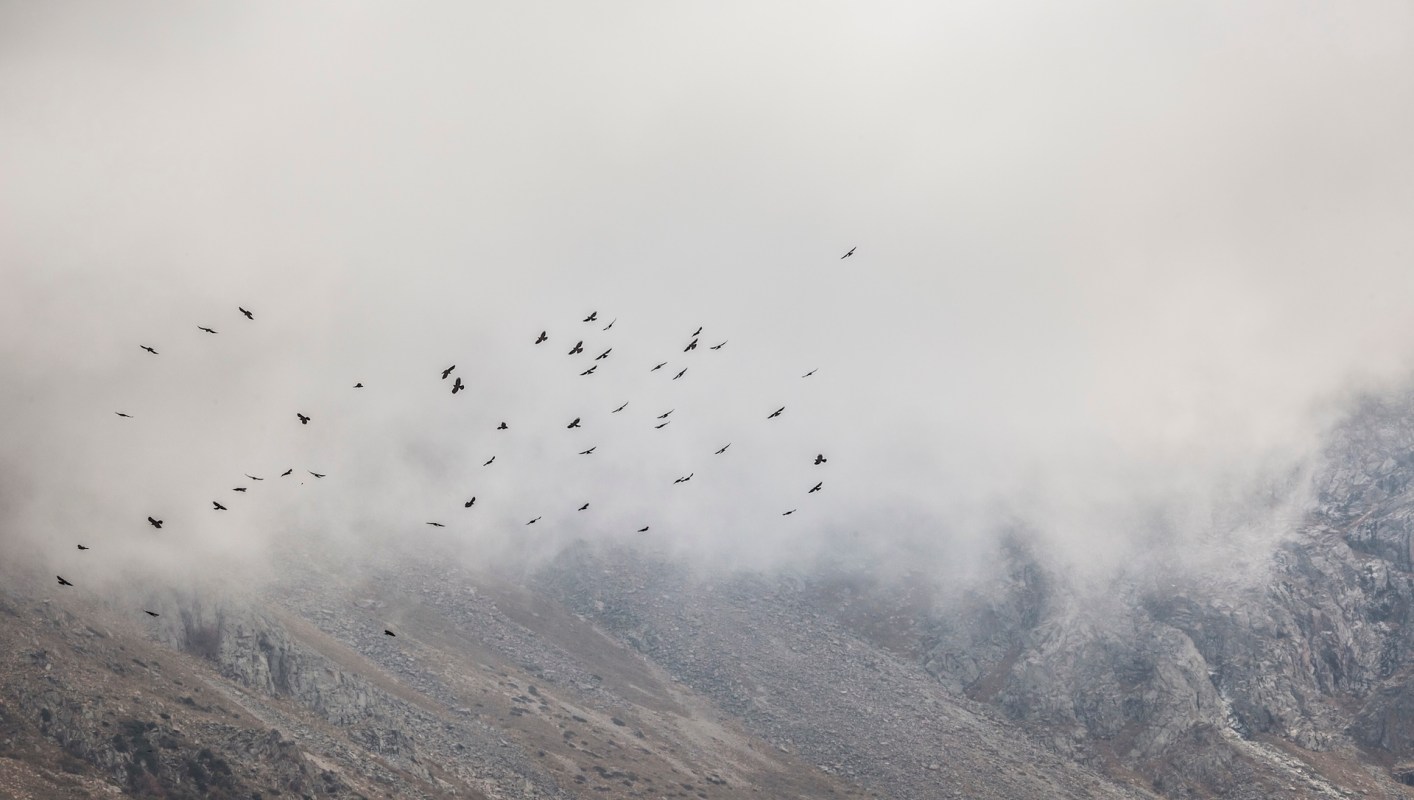
Birds are moving higher up on European mountains, new research discovered, seemingly in an attempt to stay cool in the face of rising global temperatures.
What's happening?
The research, published in the journal Global Ecology and Biogeography, studied 177 bird species from four European mountain ranges — the Alps, the Pyrenees, the Scandinavian Mountains, and the British Highlands — across eight countries.
Tracking the birds' data between 2001 and 2021, scientists found that 63% of those species now live higher in the mountains. Their average uphill movement measured more than 1.5 feet per year over that stretch.
The elevation change was most noticeable in the Alps and the Scandinavian Mountains.
"Sunny slopes attract birds to higher elevations because vegetation zones and food resources are located higher up," study author Josephine Couet said in a University of Helsinki release published on Phys.org. "However, birds are also moving uphill at the same rate on shady slopes, which suggests that warming temperatures are affecting the entire mountain landscape."
Why is this important?
Animals of all sorts have been impacted by increasing global temperatures, caused by the pollution created when we burn gas, oil, and coal. The last 10 years have been the 10 warmest in recorded history, and experts expect the next several years to continue breaking heat records.
TCD Picks » Quince Spotlight
💡These best-sellers from Quince deliver affordable, sustainable luxury for all




As the planet warms, animals' traditional habitats change. They may simply be warmer and drier than they had been for centuries, or they may experience more extreme weather than they previously had. But no matter the change, many animals have had to leave their homes to survive.
This can pose several problems. Some animals become more scared and aggressive when forced out of their longtime homes, making them more likely to attack humans. Some become invasive species, wiping out populations of native plants and wildlife, and destroying the balance of their new ecosystem.
Others, like mosquitoes, introduce diseases to their new habitats.
What can I do to help?
Birds face a number of threats on top of increasing temperatures, but we can all take steps to help protect them.
|
Do you worry about having toxic forever chemicals in your home?
Click your choice to see results and speak your mind. |
 Majorly 😥
 The National Park Service offers several tips to help birds in your local area. Millions of birds die each year after flying into windows, so making your windows less reflective, such as by adding screens, can save lives.
So too can rewilding your yard and filling it with native plants. These types of yards provide perfect food and shelter options for birds, and native plants require less water and maintenance than those less suited to your area.

Get TCD's free newsletters for easy tips to save more, waste less, and make smarter choices — and earn up to $5,000 toward clean upgrades in TCD's exclusive Rewards Club.