


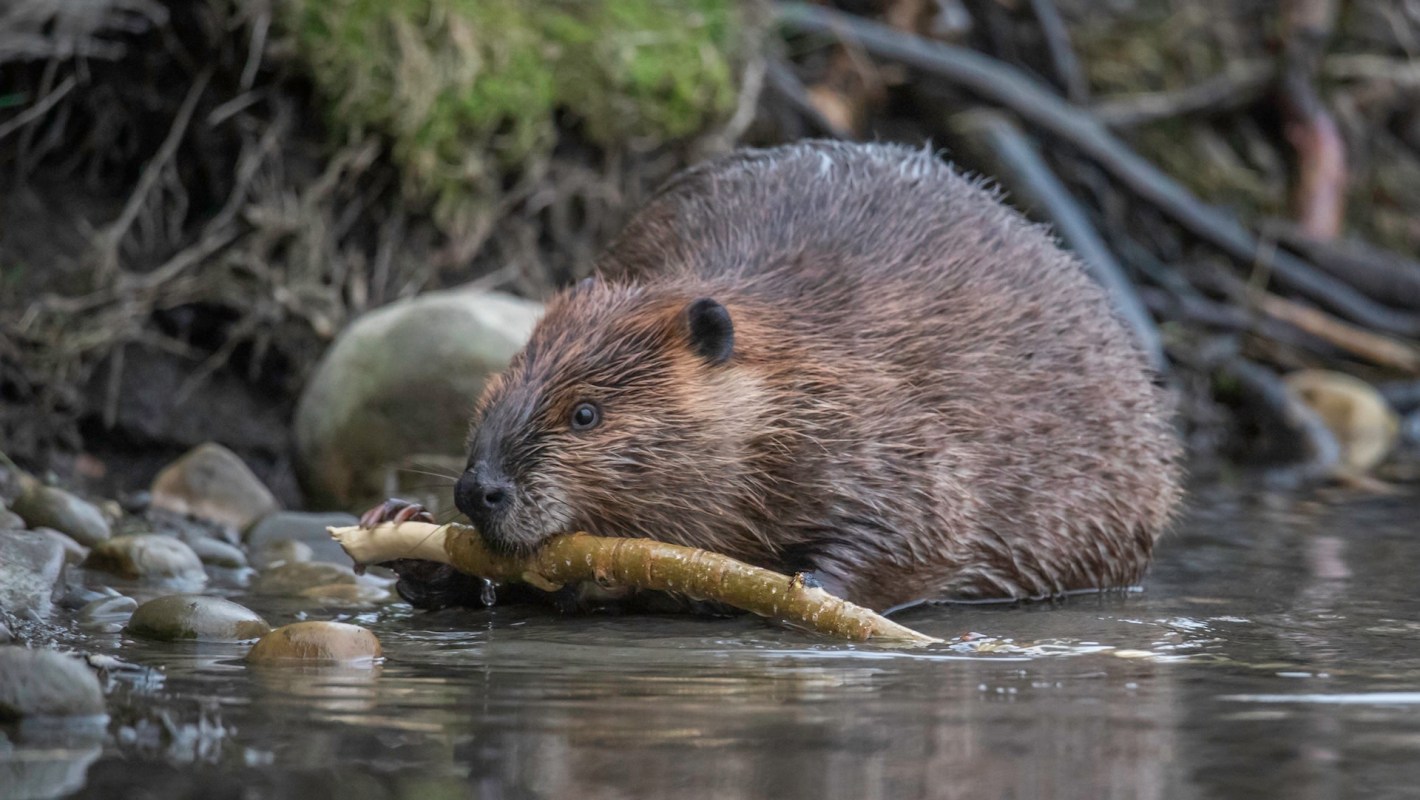
Beavers have a reputation for reshaping rivers and wetlands, but new research shows that their dam-building behavior also supports local bat populations.
A recent study published in the Journal of Animal Ecology by Swiss researchers found that bat populations are more active, more diverse, and feed more frequently in areas shaped by beavers compared to similar waterways without them.
Eurasian beavers were once nearly wiped out across Europe by fur traders, with only a few thousand remaining in the 19th century. With hunting bans and reintroduction programs, their numbers are now over 1.4 million, with almost 5,000 across Switzerland, where the study took place.
As they dam streams and cut down trees, beavers create ponds, standing deadwood, and patchy forest canopies. These changes don't just benefit fish and aquatic life in ponds; they also improve conditions for the broader ecosystem beyond the water.
To understand how bats respond to beaver populations, researchers studied eight Swiss streams with active beaver dams and compared them to nearby stretches without beavers. They recorded bat echolocation calls, tracked feeding activity, measured insect populations, and assessed habitat features like deadwood and vegetation structure.
Bat activity increased by about 60% near beaver ponds, while feeding activity more than doubled. On average, researchers recorded five bat species per night in beaver territories, compared to four in control areas. Endangered bats were more likely to show up around beavers.
"I would not have expected such a significant increase in bat numbers," said Valentin Moser, who led the research as part of the Swiss Federal Institute for Forest, Snow, and Landscape WSL research and the aquatic research institute Eawag.
According to the study, bats are drawn in by a combination of better habitat and more food. Beaver activity creates standing dead trees that bats use for roosting, along with more open, varied forest edges that make hunting easier. These areas also support larger numbers of insects, giving the bats a more reliable source of food.
One endangered bat benefiting from the beavers is the western barbastelle bat, which shelters under loose bark on standing dead trees, a common feature in beaver areas.
"These tree trunks remain standing for years and provide a very valuable, because rare, habitat," Moser said to Eawag in a press release.
TCD Picks » Quince Spotlight
💡These best-sellers from Quince deliver affordable, sustainable luxury for all




|
Do you think America does a good job of protecting its natural beauty? Click your choice to see results and speak your mind. |
 Definitely 👍
 Wildlife and conservation experts said the findings highlight the beaver's role as a keystone species, ecosystem engineer, and a natural ally protecting vulnerable wildlife by supporting biodiversity across land and water.
"Almost all bats are endangered and are on the [International Union for Conservation of Nature] Red List," said Christof Angst, head of Switzerland's national beaver office and author of the study, per Eawag. "They need support, and beavers seem to be providing just that."

Get TCD's free newsletters for easy tips to save more, waste less, and make smarter choices — and earn up to $5,000 toward clean upgrades in TCD's exclusive Rewards Club.
Cool Picks






