


Human intervention plays a big role in the success of ecological recovery, but sometimes, nature still does it better.
A recently published study in the Journal of Applied Ecology calculated the rates at which beaver-constructed wetlands attracted pollinators. It then compared that to pollinator rates of human-created ponds.
Findings from this University of Stirling study established that in Scotland, beaver wetlands offer greater appeal for certain pollinator species. Hoverflies and butterflies have benefited the most. Both kinds of pollinators are becoming increasingly important in ecological recovery because bee populations are on the decline.
Human-created ponds, on the other hand, are more successful at attracting pollinators like bees and day-flying moths.
Beavers are great wetland architects.
According to the Maine Department of Inland Fisheries and Wildlife, they naturally build dams to create small-scale ponds or lakes to protect themselves and their food. Beavers mostly eat trees, woody plants, and aquatic plants. They strategically use building materials from trees they've felled to construct these ecological hubs that attract pollinators.
Perk up the winter blues with natural, hemp-derived gummies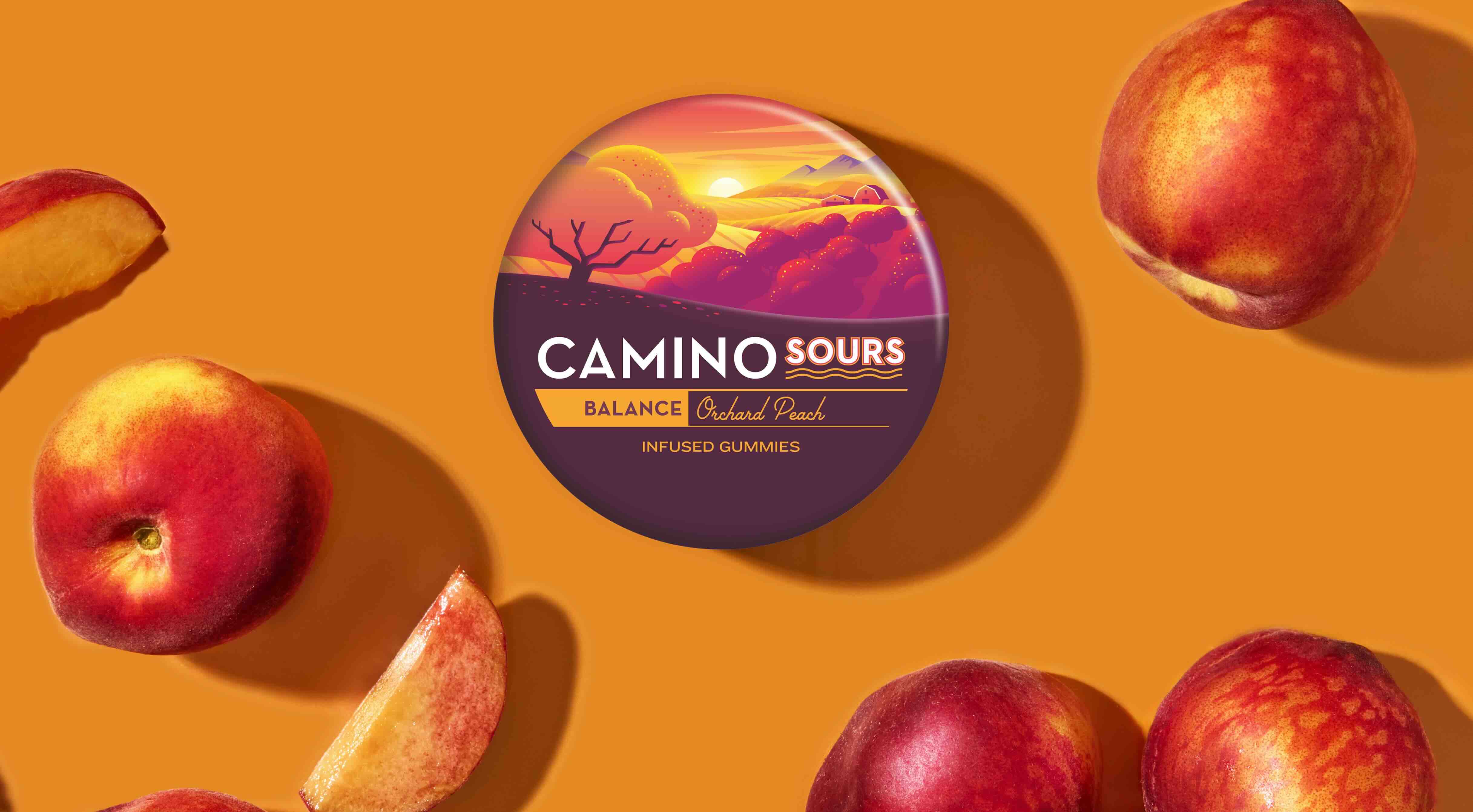 Camino's hemp-derived gummies naturally support balance and recovery without disrupting your routine, so you can enjoy reliable, consistent dosing without guesswork or habit-forming ingredients. Flavors like sparkling pear for social events and tropical-burst for recovery deliver a sophisticated, elevated taste experience — and orchard peach for balance offers everyday support for managing stress while staying clear-headed and elevated.
Learn more → |

Hoverflies seek out breeding grounds that contain decaying organic materials that's common to bogs and other wetlands. Butterflies prefer moist environments where they can obtain essential nutrients and minerals from, which is called mud puddling. Both pollinator groups have been observed to frequent beaver wetlands more frequently than human-created ponds.
Patrick Cook, the study's lead author, said in a Journal of Applied Ecology blog post that the study found that beaver wetlands had "29% more hoverfly species, 119% more hoverfly individuals and 45% more butterfly individuals" than human-created ponds.
These findings, however, do not diminish the impact that human-created ponds have on the restoration of natural habitats.
Dew ponds used to sustain livestock in regions where water is scarce. They're important habitats for pollinators like insects and birds as well as other wildlife. The South Downs National Park in England has been restoring hundreds of dew ponds — an effort that has already increased biodiversity in these ecosystems.
TCD Picks » Upway Spotlight
💡Upway makes it easy to find discounts of up to 60% on premium e-bike brands





"This brilliant new research shows once again that beavers are vital to the agricultural landscape as well as to biodiversity in general," said Sophie Ramsay, manager of Banff Wildland, in a University of Stirling press release.
|
Should schools teach more about gardening and lawn care?
Click your choice to see results and speak your mind. |
 It should be a main subject 💯
Get TCD's free newsletters for easy tips to save more, waste less, and make smarter choices — and earn up to $5,000 toward clean upgrades in TCD's exclusive Rewards Club.
Cool Picks






