


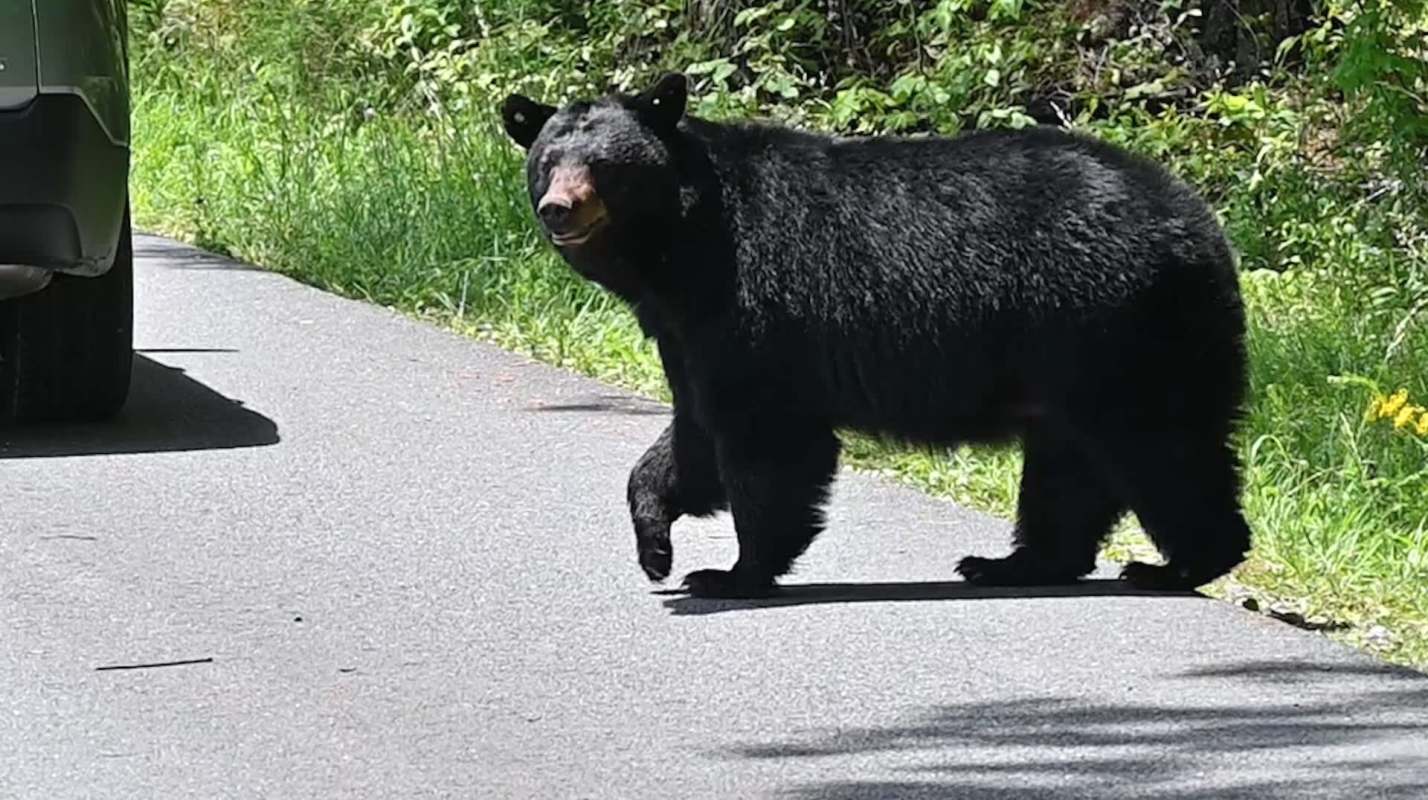
One woman was lucky to survive after being attacked by a bear just outside her village in India.
What happened?
The incident happened in Dehradun, and forest officials called it "the first bear attack reported from this area," according to the Times of India.
Local residents rushed to help and scared off the bear, and the woman was taken to the hospital with minor injuries.
Bear attacks aren't common; according to the World Animal Foundation, there are only around 40 annually.
However, as habitat loss threatens nearly every animal species on the planet, that number is expected to rise.
Why is this attack concerning?
Habitat loss is the leading cause of human-wildlife interactions. As forests are cleared for agricultural land and urban development, local animals lose access to their food, water, and shelter.
Hungry, desperate animals often venture into human settlements, increasing the risk of interactions.
Interactions can range from sightings to attacks. Even sightings and "friendly" encounters put the animal at risk, as animals that lose their fear of humans are more likely to become food-aggressive and subsequently euthanized.
Just last year, a bear at Yellowstone National Park had to be put down after showing no fear of humans and repeatedly entering campsites to eat food.
What's being done to prevent human-wildlife interactions?
Habitat loss increases interactions, while habitat restoration reduces them. Restoring natural spaces ensures plants and animals have the resources necessary to survive and thrive.
TCD Picks » Quince Spotlight
💡These best-sellers from Quince deliver affordable, sustainable luxury for all




|
Do you think America does a good job of protecting its natural beauty? Click your choice to see results and speak your mind. |
 Definitely 👍
 When restoration isn't possible, such as in human cities, incorporating animal-friendly architecture, like wildlife crossings and green roofs, can also help reduce interactions and keep animals safe.
If you encounter wildlife, such as elk, bears, and mountain lions, keep a safe distance of around 100 feet. Never approach, chase, or feed wild animals, for their safety and yours.

Get TCD's free newsletters for easy tips to save more, waste less, and make smarter choices — and earn up to $5,000 toward clean upgrades in TCD's exclusive Rewards Club.
Cool Picks






