


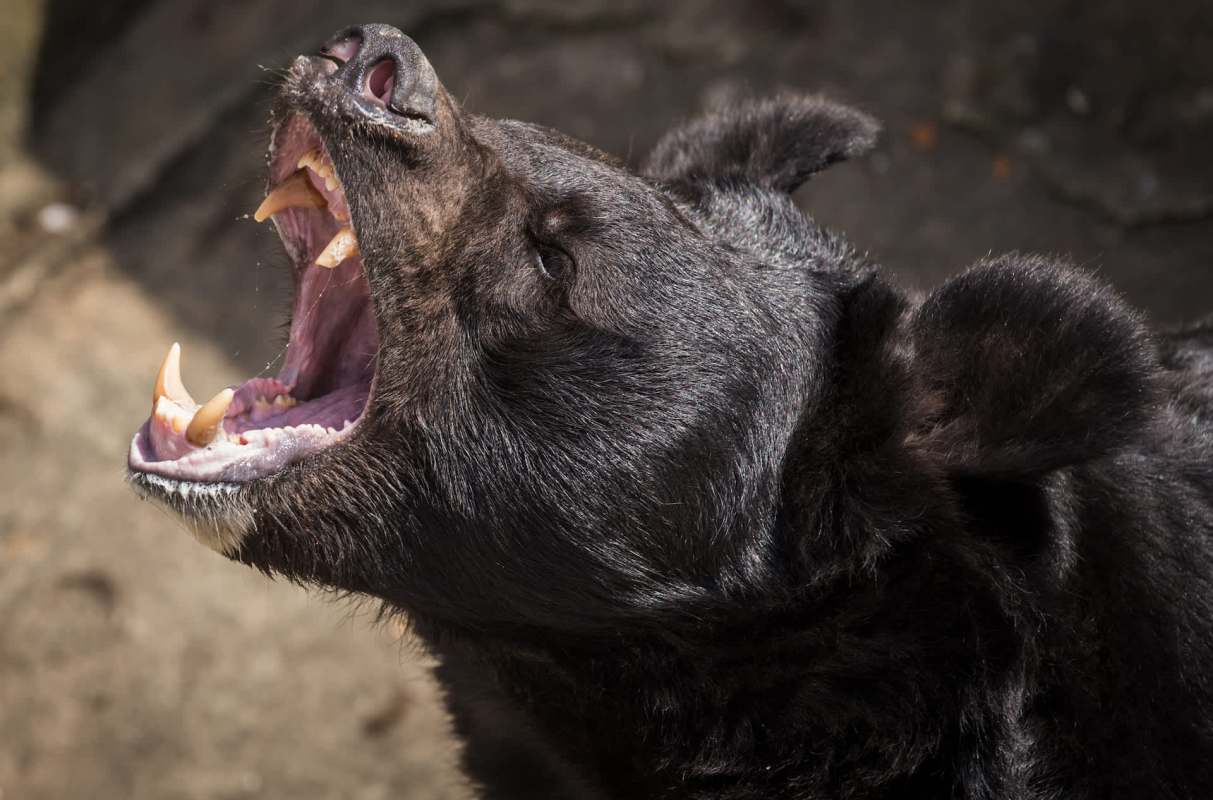
A Spanish tourist was attacked by a bear in broad daylight while walking to a bus stop in Shirakawa, a village in Japan's Gifu Prefecture known for its picturesque, UNESCO-listed houses.
What happened?
According to The Independent, the local government said the man received a "minor injury to his upper right arm" after being scratched by a bear cub. The bear reportedly attacked the man while he was taking photographs at a bus stop.
Officials said the bear, believed to be a juvenile black bear about one meter long, fled the area after the attack. Following the incident, local trails were closed, and police began patrolling the neighborhood.
The attack follows a string of similar encounters in Japan: one woman was killed and another reported missing after a bear attack in northern Japan last week. According to NHK, 69 people have been injured in bear encounters across the country between April and August this year, with five fatalities.
Why are bear attacks concerning?
Experts say human-wildlife encounters like this one are becoming more common as bears search for food in shrinking habitats. Japan's declining rural population has left forests unmanaged, while warmer temperatures and reduced nut production have pushed bears closer to human settlements.
As food sources become scarce and forest ecosystems destabilize, animals like black bears may wander into residential or tourist areas — creating danger for both people and wildlife.
TCD Picks » Quince Spotlight
💡These best-sellers from Quince deliver affordable, sustainable luxury for all




What's being done about it?
In response to rising attacks, Japan recently eased restrictions on hunters using rifles in populated areas to help control bear populations. Meanwhile, conservation groups are urging long-term solutions that protect habitats and reduce risky human–wildlife interactions — such as securing trash, maintaining forest food sources, and creating wildlife corridors.
Stories like this one highlight how protecting natural ecosystems also protects our communities. Efforts to restore habitats — such as rewilding projects in Europe and wildlife crossings in the U.S. — are already helping reduce conflicts and keep both people and animals safe.
|
Would you feel safe living close to a nuclear power plant? Click your choice to see results and speak your mind. |
 Absolutely ✅
Join our free newsletter for good news and useful tips, and don't miss this cool list of easy ways to help yourself while helping the planet.







