


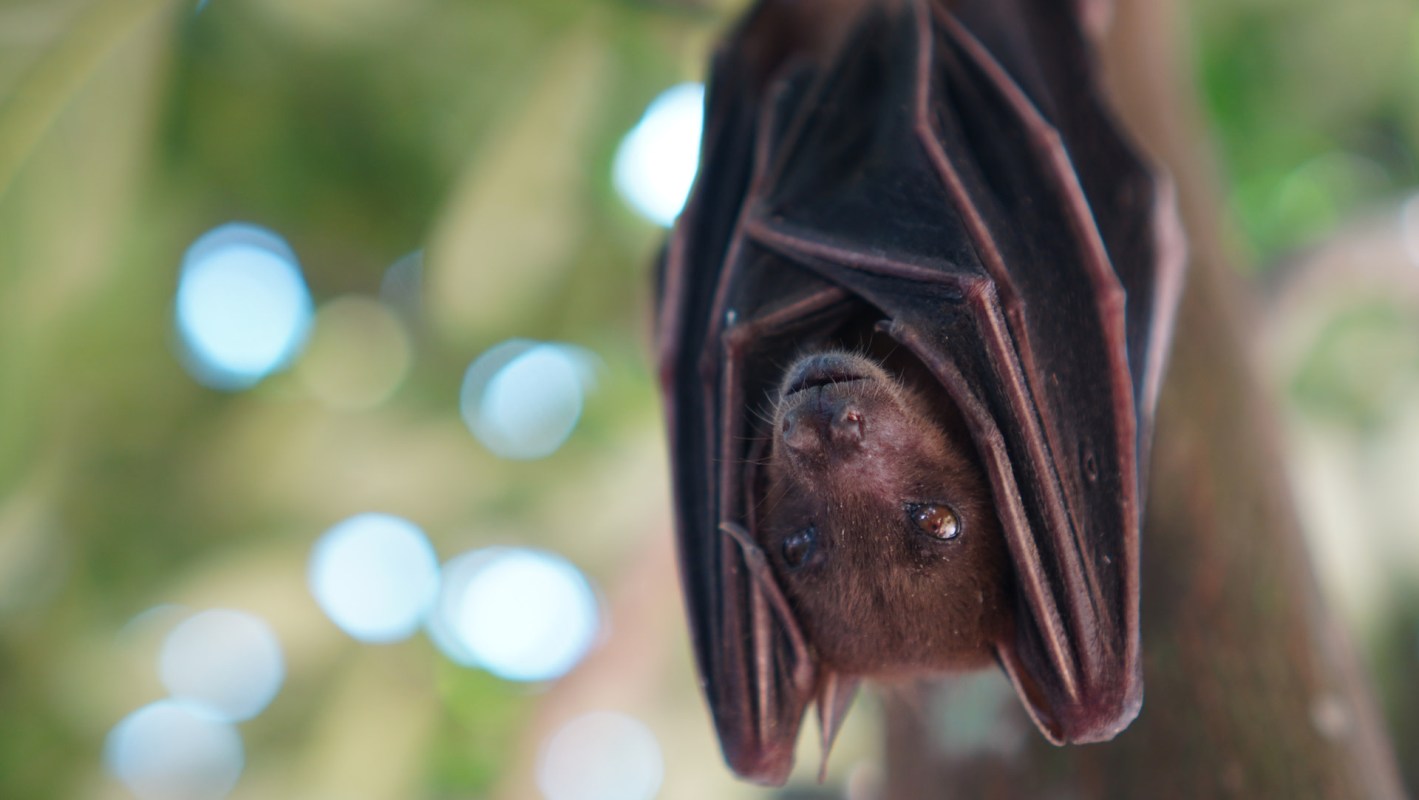
Spotted lanternflies have been known to wreak havoc in New Jersey as an invasive species, drastically affecting agriculture. However, Shore News Network reported that researchers at Rutgers University recently discovered that bats are allies in the fight against the bugs, as analysis of bat guano revealed they are eating them.
The Ph.D. candidate leading the study, Aaron McCale, told Shore News Network that "most recently what we've discovered is that they are in fact eating the spotted lantern fly" and that "no one has seen that before."
Researchers discovered that the bats' feeding behavior has aided in limiting the pest population. McCale noted that encouraging bat populations to thrive by installing bat houses on properties could boost the bats' support, as they are already eating thousands of bugs per day.
Bat populations in New Jersey have suffered declines due to disease, habitat loss, and human interference. Over 50% of New Jersey's native bats are at risk, and bat houses have become an aspect of conservation efforts. Given bats' importance in the fight against invasive species, their presence remains vital.
Thousands to tens of thousands of invasive species are estimated to be circulating in the United States. In New Jersey alone, an estimated 134 documented invasive species linger, changing the natural ecosystem and driving issues impacting agriculture.
Throughout the U.S., the agriculture sector has suffered the largest losses from invasive species, totaling a whopping $510 billion in revenue loss from 1960 to 2020. The economic downturn in the sector also means a decline in food production, which could cause distress to the food supply around the world.
The New Jersey Department of Agriculture stated that certain New Jersey counties are under quarantine due to the bugs, and this quarantine requires businesses and individuals to take precautions with food production to help prevent the spread of the invasive species.
Encouraging the growth of native plants or rewilding your yard can help stop the spread of invasive species. It can also help rebalance the natural lands, building back the agricultural sector and food supply.
According to Shore News Network, the study "highlights the broader role of native wildlife in managing invasive species."
|
Do you worry about air pollution in your town? Click your choice to see results and speak your mind. |
 All the time 💯
Join our free newsletter for good news and useful tips, and don't miss this cool list of easy ways to help yourself while helping the planet.
TCD Picks » Quince Spotlight
💡These best-sellers from Quince deliver affordable, sustainable luxury for all




Cool Picks






