


Tiny mammals are taking long detours to avoid a common city feature.
What's happening?
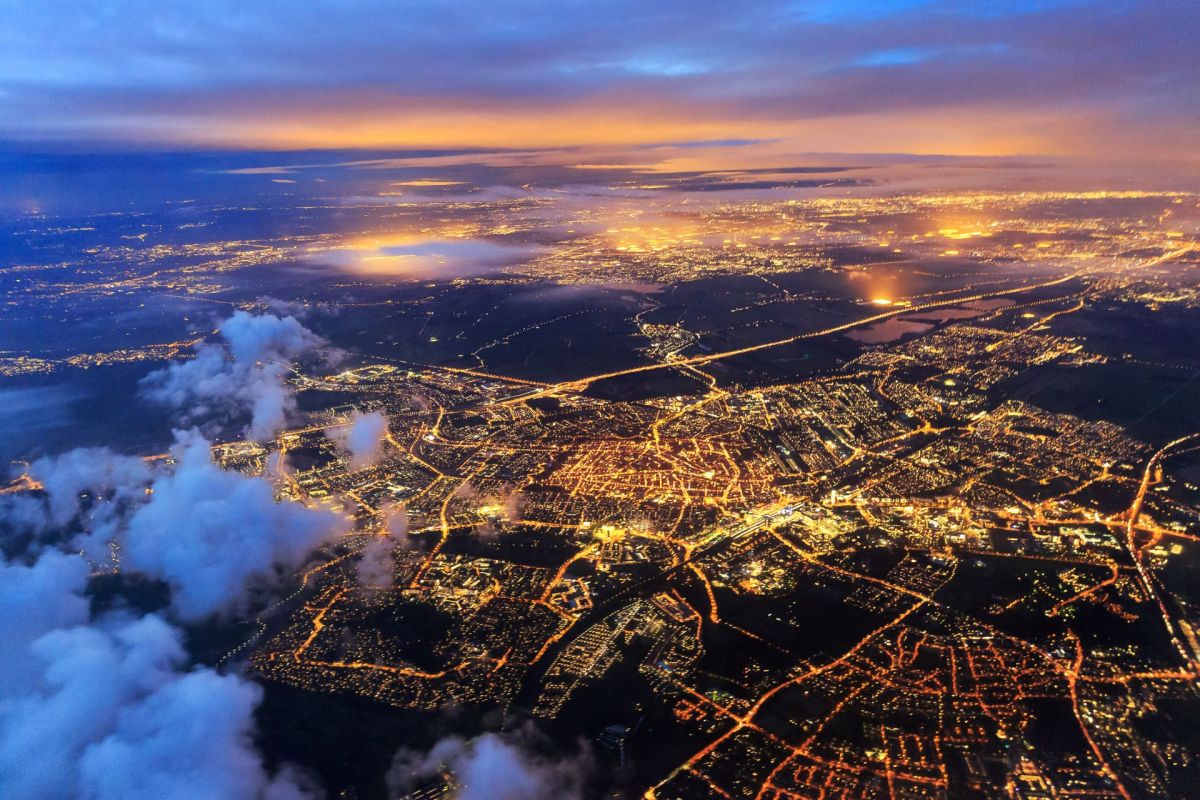
Artificial lighting is everywhere, illuminating our streets and highways, advertising storefronts, and brightening homes.
For humans, artificial lighting is essential, but for some wildlife, it can be a potential threat.
A study published in the journal Science of the Total Environment tracked the commuting path of bats in cities and found that artificial lights are significantly disrupting their routes.
Researchers discovered that "the bats avoided routes with a short average distance to lights and flew further away from lights than would be expected given the distribution of street lights."
Bats preferred to fly through areas with a consistently low number of street lights and would go out of their way to avoid routes with more frequent street lights.
"Our analyses show that the bats did not choose random routes through the settlement areas, but used dark corridors as far away from street lights as possible," said the study's first author, Dr. Daniel Lewanzik, in a statement.
Taking lengthy detours expends more energy, which can impact the bats' ability to successfully hunt, reproduce, and travel.
Why are these findings concerning?
This study's findings add to growing evidence that rapid habitat loss is negatively impacting animals.
According to the United Nations, "75% of the Earth's land surface has been significantly altered by human actions," like industrialization, urbanization, and agriculture.
TCD Picks » Upway Spotlight
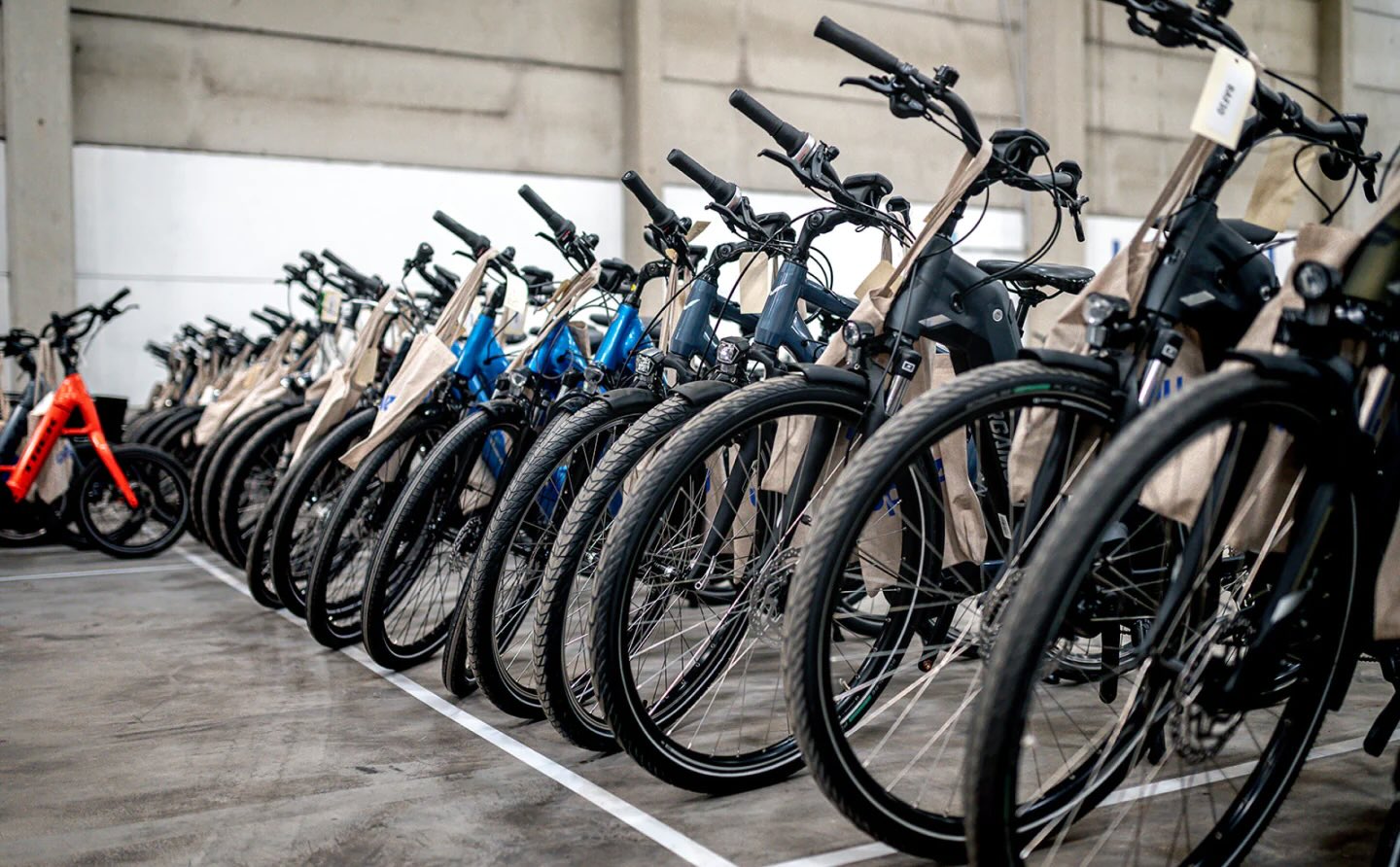
💡Upway makes it easy to find discounts of up to 60% on premium e-bike brands

|
Do you think your city has good air quality? Click your choice to see results and speak your mind. |
 Definitely 🥰
 Habitats are shrinking — and fast. Habitat loss is the biggest driver of extinction in the United States, according to the National Wildlife Federation. Over 47,000 species — both plant and animal — are considered endangered by the International Union for Conservation of Nature.
What's being done to protect the bats?
Wildlife-friendly architecture is one way to protect animals while building for humans.
Green roofs, wildlife crossings, and bird-safe glass are a few examples of keeping nature in mind while designing cities.
Unfortunately, many design decisions are made without fully considering how the native wildlife will be impacted.
While artificial lighting improves safety and adds convenience for humans, it can be disorienting for nocturnal animals like bats that rely on the darkness for hunting and navigation.
The study calls for a simple solution: reduce the amount of artificial lighting at night.
"For bats to persist and thrive in expanding and densifying urban areas, it is essential to limit [artificial light at night] overall and leave dark and undeveloped corridors for them to move between roosts and foraging habitats," the research paper observed.
For individuals, turning off lights when they aren't necessary provides an additional benefit: It can help to reduce energy bills.

Get TCD's free newsletters for easy tips to save more, waste less, and make smarter choices — and earn up to $5,000 toward clean upgrades in TCD's exclusive Rewards Club.
Cool Picks






