


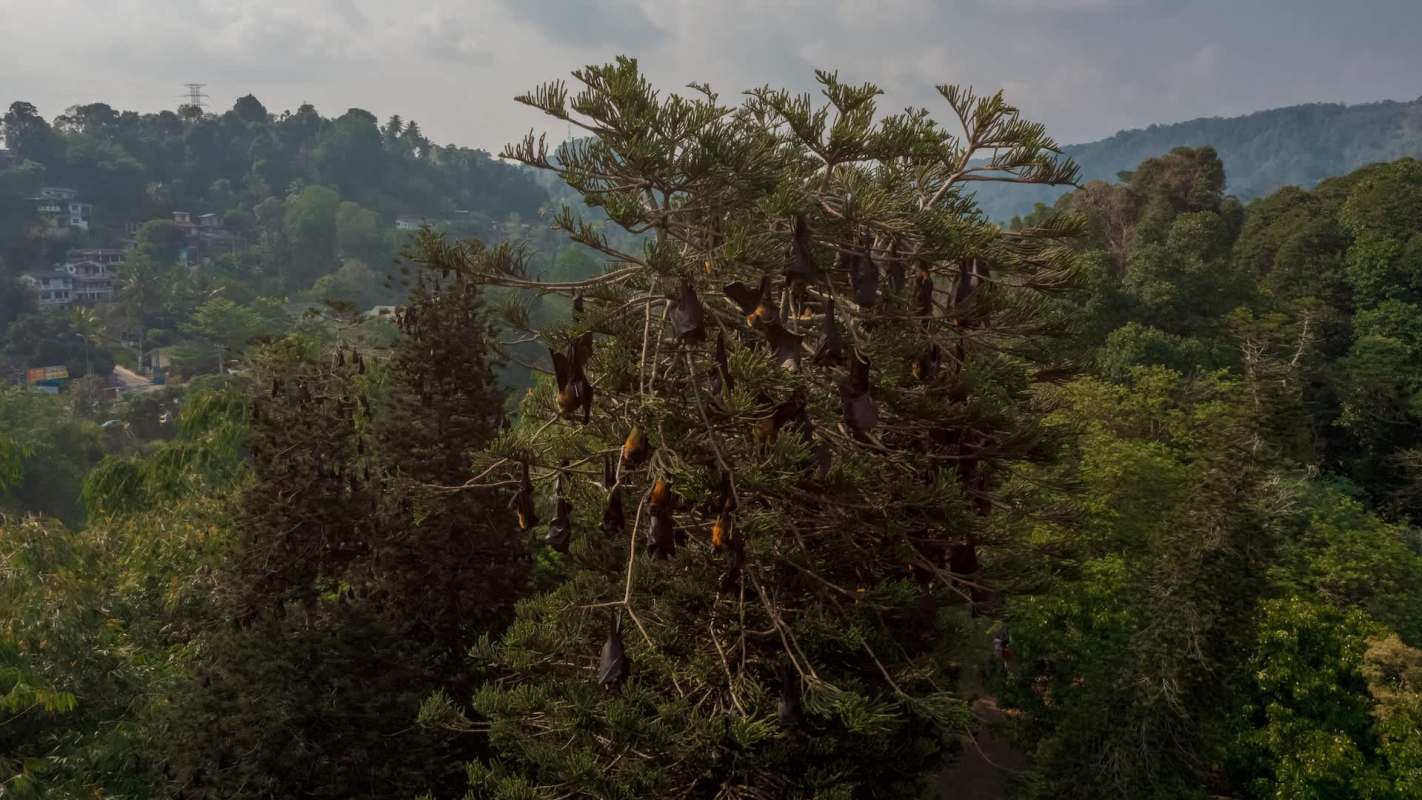
Rat infestations may be annoying to people, but to bats, rats are home invaders threatening their species.
What's happening?
As Mongabay reported, new research in Northern Germany shows invasive brown rats are attacking the winter hibernation sites of native bats.
The findings, published by Global Ecology and Conservation, are raising alarms among conservationists who were already concerned about the pressures bats face from habitat loss, light pollution, and urban expansion.
At two major bat hibernation sites, researchers recorded invasive brown rats actively preying on native bat species. Using infrared cameras and thermal imaging over several weeks, the team captured video of rats patrolling cave entrances, intercepting bats mid-air, and dragging them into crevices.
"Because bats in Central Europe are increasingly threatened by human activities such as urbanization, light pollution, and road construction, it is becoming harder for them to reach their winter hibernation sites," study co-author Florian Gloza-Rausch told Mongabay. "If an additional stress factor — predation by invasive species — is added, populations may weaken and decline further."
The species affected include Daubenton's bat, Natterer's bat, and the rarer Bechstein's and pond bats — all vital insect-eating species that help keep ecosystems healthy across Europe.
Perk up the winter blues with natural, hemp-derived gummies Camino's hemp-derived gummies naturally support balance and recovery without disrupting your routine, so you can enjoy reliable, consistent dosing without guesswork or habit-forming ingredients. Flavors like sparkling pear for social events and tropical-burst for recovery deliver a sophisticated, elevated taste experience — and orchard peach for balance offers everyday support for managing stress while staying clear-headed and elevated.
Learn more → |

Why are invasive rats concerning?
Invasive species throw entire ecosystems off balance by overrunning habitats and preying on animals that haven't adapted to defend themselves against unnatural predators.
Bats may not always get the spotlight, but losing them has real consequences for people.
They help control insects that damage crops, which means declining bat populations can lead to more pests and higher food costs. Shrinking bat numbers already threaten food systems, with farmers warning that fewer bats could mean more expensive produce.
Research even shows connections between lower bat populations and rising child health risks because communities are exposed to more pesticides when bats disappear.
TCD Picks » Upway Spotlight
💡Upway makes it easy to find discounts of up to 60% on premium e-bike brands





|
Do you think humans are doing enough to protect endangered animals? Click your choice to see results and speak your mind. |
 Definitely 👍
 This threat also adds to the growing list of pressures bats face worldwide from habitat loss to light pollution to wind turbine collisions.
What's being done about invasive species?
Researchers hope that documenting the rat predation will spark targeted management efforts before the problem worsens. They've already urged local authorities to direct more resources toward controlling rat populations around major hibernation sites.
The good news is that experts have already identified simple, effective ways to reduce other risks, such as adjusting turbine operations during peak migration seasons to dramatically cut bird and bat deaths.
Protecting native species often starts with understanding the threats. Everyday people can help by staying informed, supporting local conservation groups, and advocating for policies that prioritize native-habitat protections and invasive species control.

Get TCD's free newsletters for easy tips to save more, waste less, and make smarter choices — and earn up to $5,000 toward clean upgrades in TCD's exclusive Rewards Club.
Cool Picks






