


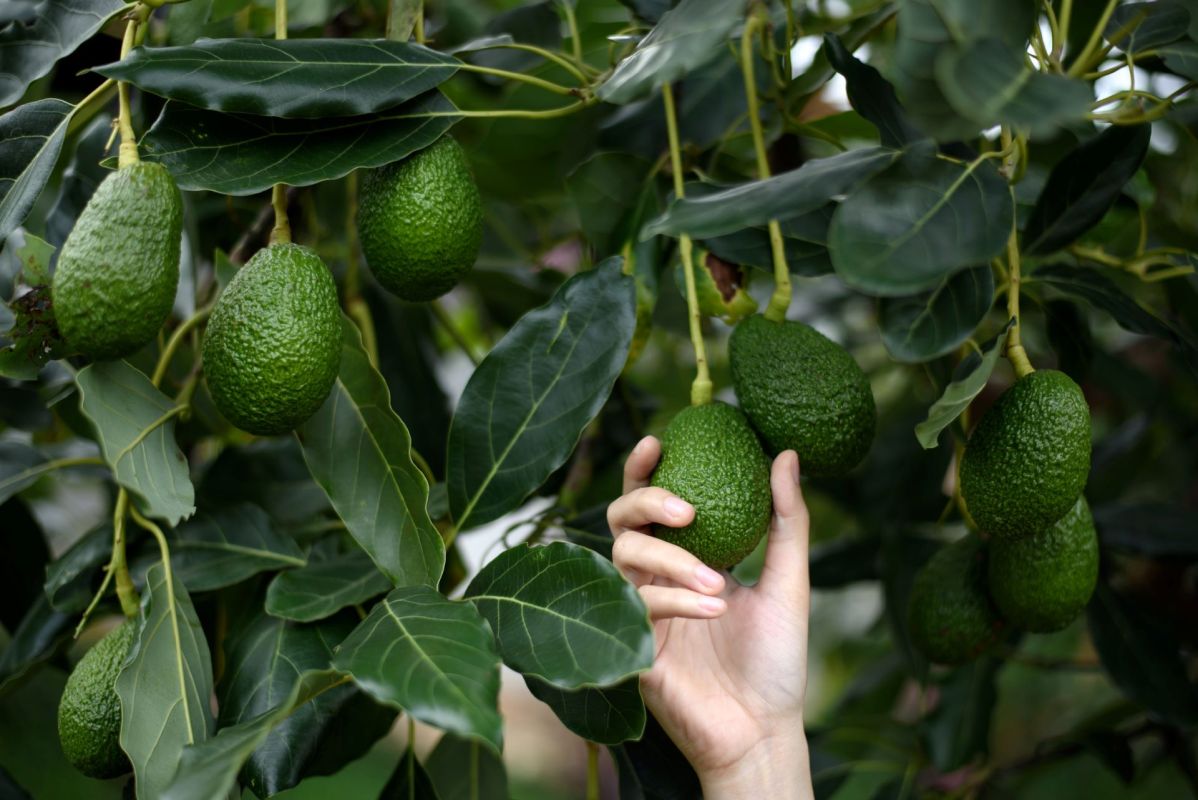
There's never a good time for extreme weather, but strong winds could scarcely have come at a worse time for family-run farms in New Zealand, just as avocado harvest season began in September.
What's happening?
According to Radio New Zealand, the Bay of Plenty on the North Island won't be living up to its name for avocado farmers this season.
Farmer Wayne Heays, near the town of Waihi, told the outlet that he was woken by the worst winds he'd experienced in 15 years. Despite his best efforts to secure the trees against the conditions this September, the impact was still devastating.
"I knew there would be a bit of damage, but it was quite a shock to see so much damage. Just everything just got absolutely belted."
In addition to avocado crop loss, large trees and hectares of kiwifruit were also damaged.
Why are strong winds concerning?
New Zealand sits within the so-called "roaring forties," the latitudes between 40 and 50 degrees south, which are known for strong winds. The phenomenon is caused by warm air moving from the equator to the poles.
As the National Oceanic and Atmospheric Administration has explained, the winds tend to be much stronger in the south because there's less landmass to break them. The effects of heat-trapping pollution generated by burning dirty energy sources are making those winds even more powerful and destructive.
New Zealand also occasionally experiences tornadoes, with around seven to 10 occurring each year, although they're not generally as destructive as those in the United States. A government report on the risks of rising global temperatures in New Zealand highlighted the impacts of coastal erosion, droughts, and extreme winds.
What's being done to mitigate the risks of strong winds?
Municipalities in the country are taking proactive measures to safeguard against the effects of strong winds. Christchurch, New Zealand's second-largest city, is taking steps to reduce vulnerabilities and enhance the resilience of its electricity grid. Residents have been encouraged to stay informed about these issues and make necessary preparations.
Ultimately, though, mitigating the intensification of winds will require the coordinated global transition to clean energy sources, such as solar and wind power.
TCD Picks » Quince Spotlight
💡These best-sellers from Quince deliver affordable, sustainable luxury for all




|
How often do you worry about having your personal info stolen? Click your choice to see results and speak your mind. |
 Never 😌
Join our free newsletter for good news and useful tips, and don't miss this cool list of easy ways to help yourself while helping the planet.
Cool Picks






