


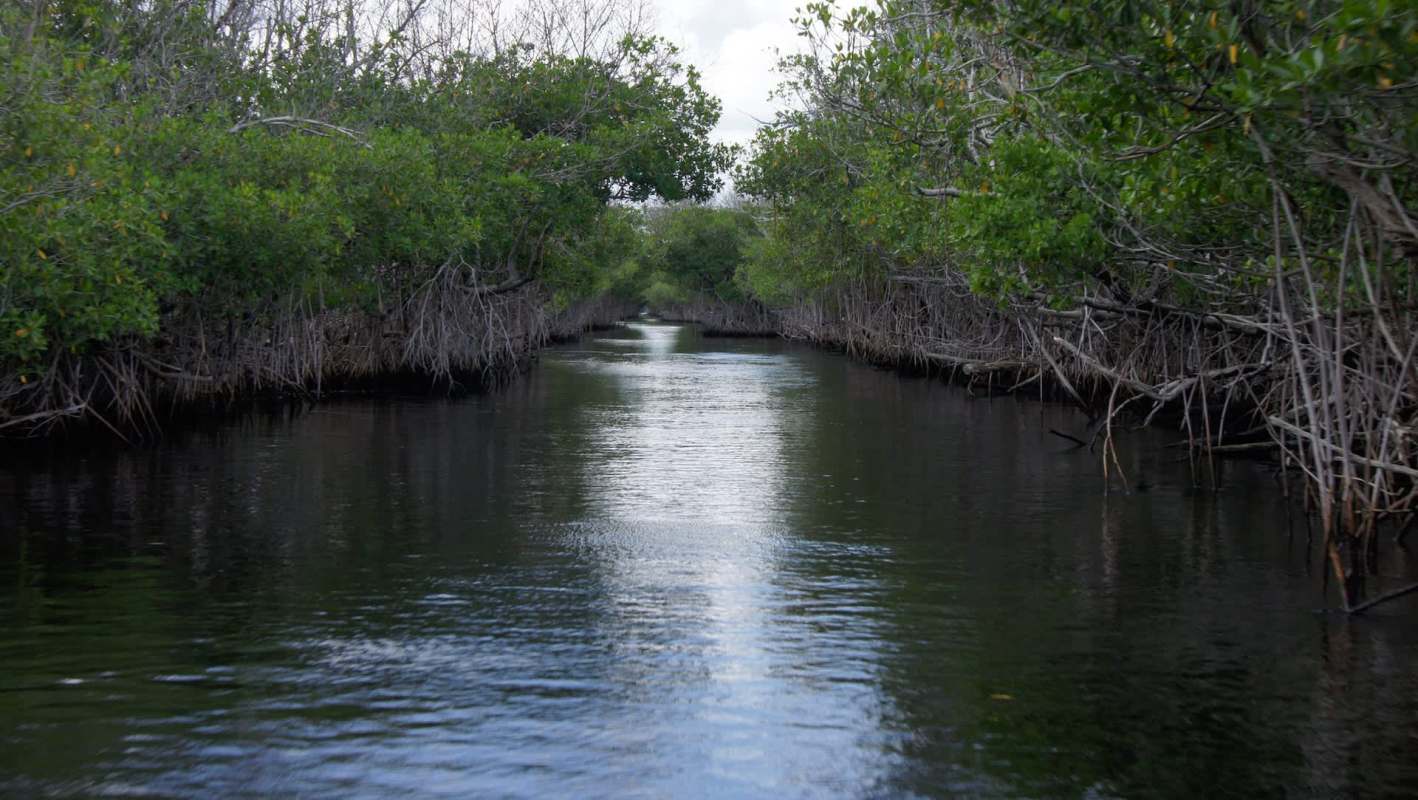
The Asian swamp eel has been introduced to U.S. waters, causing destruction to the food chain, as reported in the Miami Herald.
What's happening?
Researchers from Florida International University have discovered Asian swamp eels in the Florida Everglades. The 3-foot eel, indigenous to South and East Asia, first made its way to U.S. waters in the 1990s. According to a study from the U.S. Fish and Wildlife Service, it could have made its way from an aquarium release. In
While a 2010 study published in Aquatic Invasions "concluded that swamp eels had minimal ability to disrupt aquatic communities," their populations have grown in South Florida. There is no official number as to how many inhabit Florida waters, but over 830,000 have been introduced by the live food trade.
"I would say, for the wetlands, this is probably the worst invasive species that we've seen," said Nathan Dorn, aquatic ecologist and researcher at Florida International University.
The Asian swamp eel can thrive in the Florida Everglades because it can exist on water and land, making it easy to travel and find food in multiple areas. One of the species that is prey to the eel is the crayfish, which is "completely unaware that this is a predator."
"We have 90% loss of the crayfish, 90% loss of two native fish, and 60% loss of one of the most abundant fish for food for the birds," Dorn told NBC Miami.
"This is a predator like the system's never seen," Dorn said.
Why is the appearance of the Asian swamp eel important?
Approximately only 50% of the Florida Everglades remain, primarily due to urban and agricultural infrastructure. This has made it easier for invasive species like the Asian swamp eel to inhabit and take over the food supply from other predators. Invasive species, ones that are non-native to an area, force new competition to the food chain, affecting the supply of food for native species, which causes ripples throughout the ecosystem.
The wading bird is one such native species in Florida that is showing the effects of what the Asian swamp eel has done. According to the Miami Herald, "If the wading bird isn't able to get the food it needs, the wetland wouldn't only lose a major factor of biodiversity, but an indicator of the progression of restoration efforts as well."
"There aren't enough small fish to go around for both the eel and the thousands of pairs of nesting birds," Dorn said.
TCD Picks » Upway Spotlight
💡Upway makes it easy to find discounts of up to 60% on premium e-bike brands





|
Do you think sewage pollution is a major problem in America? Click your choice to see results and speak your mind. |
 Yes 👍
Yes 👍 With the loss of species in the Everglades, this can impact not only the ecosystem, but also humans, as the Everglades is vital to clean drinking water for millions. Fishing in the Everglades is also important to the local economy.
Another big invasive species in the Florida Everglades is the Burmese python. Earlier this year, Florida passed a bill to spend $2 million on removing the species from the area, which prey on mammals, such as rabbits. However, researchers say that the Asian swamp eel "could be more destructive than the Burmese python."
What's being done about Asian swamp eels?
The Asian swamp eel populations are thriving, so they are expanding to new waters.
"They're moving west and north, and there's really no easy way to stop it," Dorn said. "Hopefully some of the predators in the system will pick it up as food and start to slow down the growth of the animal, but we see no signs at this point that the species will drastically diminish."
Learning more about the movement and distribution of the swamp eel to determine the best solutions to stopping its spread and containing the invasive species. Protecting the Everglades and other water sources from other invasive species is also vital in protecting U.S. ecosystems.
Researchers are focusing on ways to protect the Everglades, including with the 1994 Everglades Act, which helps protect the water in the glades. Groups, like the National Wildlife Federation are working to protect the Everglades through multiple projects, like the construction of a reservoir.
One way that researchers are hoping to slow the spread of the Asian swamp eel is through self-reporting, so they can track the species movement and catch numbers of the invasive species.

Get TCD's free newsletters for easy tips to save more, waste less, and make smarter choices — and earn up to $5,000 toward clean upgrades in TCD's exclusive Rewards Club.
Cool Picks






