


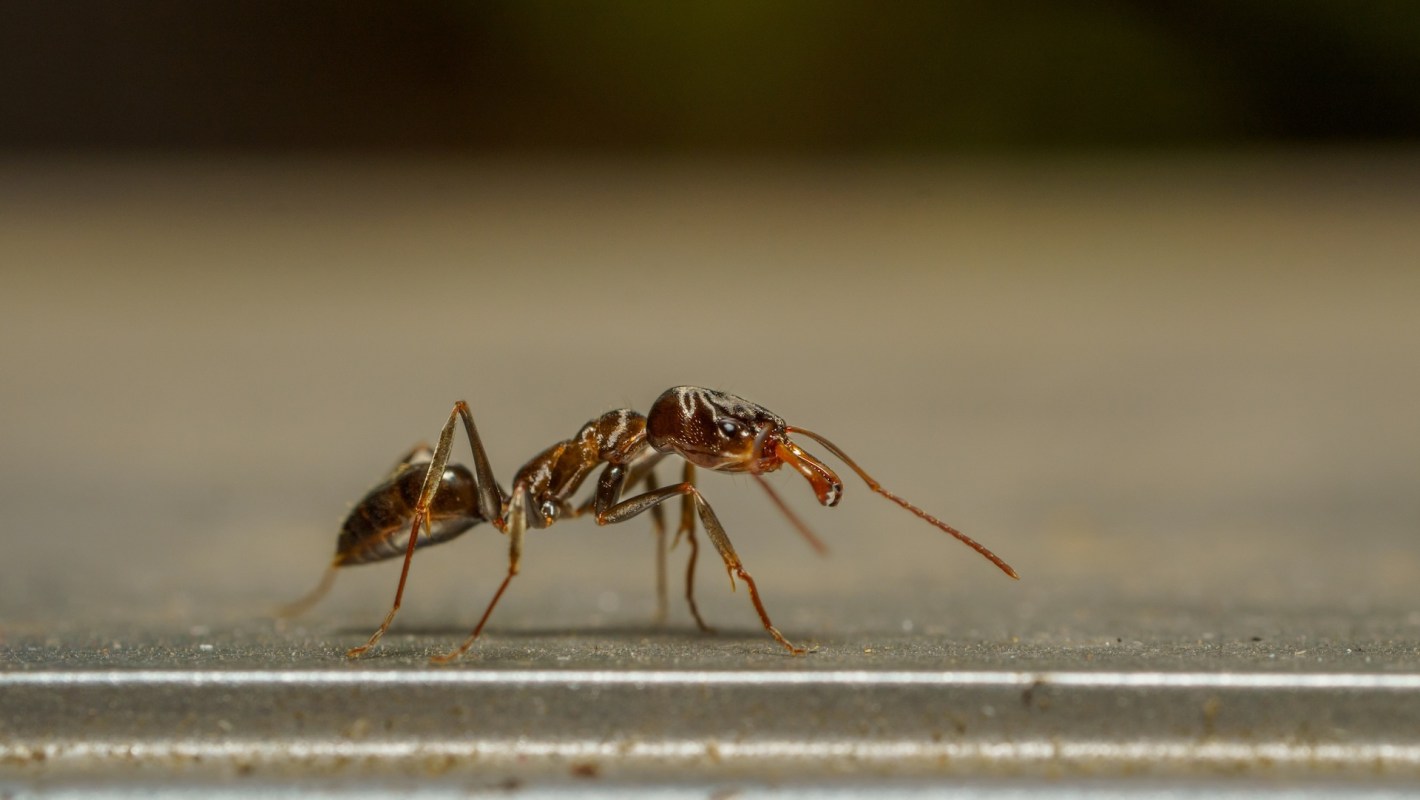
At just two-tenths of an inch long, it might seem like a strange directive to avoid the Asian needle ant. However, you might face a painful lesson if you underestimate the invasive species' sting.
What's happening?
WFSB reported on the spread of the Asian needle ant across the United States.
Sightings of the industrious insect have been reported in 22 states. At such a small size, you might not easily identify it in the forest or a garden. However, if you're allergic to its sting, you definitely won't miss it.
Just ask Georgia's Susan Simon, who was stung three times while tending her garden, and the last could have been deadly.
"My family was here to help," Simon relayed. "Thank goodness. I lost consciousness, and they actually caught me as I was going down."
According to Scientific American, a sting from an Asian needle ant can lead to anaphylaxis. Swelling in the lips or tongue, hives, or difficulty breathing should prompt a trip to the emergency room.
TCD Picks » Quince Spotlight
💡These best-sellers from Quince deliver affordable, sustainable luxury for all




Why is the Asian needle ant's spread concerning?
Beyond the potential for a painful sting, the Asian needle ant is spelling doom for native ants.
As WFSB noted, native ants are major contributors to the underground ecosystem. They control the insect population, disperse seeds, sift through organic matter, and improve soil health.
A 10-year study in Athens, Georgia, revealed that in areas overrun by Asian needle ants, a whopping 60% of native ants were locally eradicated. That shows just how ascendant these invaders are.
"In needle ant-infested areas, if you go out and pick up a piece of wood, the overwhelming possibility is it has Asian needle ants in it," said James Vogt, an entomologist with the U.S. Forest Service.
|
Which of these savings plans for rooftop solar panels would be most appealing for you?
Click your choice to see results and earn rewards to spend on home upgrades. |
 Save $1,000 this year 💸
 The Asian needle ant isn't the only troubling invasive species. Plants like English ivy can quickly outcompete native greenery, while fish like Asian carp can deprive aquatic creatures of essential resources.
Native insect species, however, are particularly vulnerable when non-native insects take hold.
What's being done about Asian needle ants?
When it comes to avoiding encounters with Asian needle ants, the best move is to simply stay away.
"I leave them alone when they're outside," Vogt said, per WFSB. "I think because of the health risks people need to consider that carefully when considering if they want to take action or not."
Individuals sensitive to stings from other insects should consult their doctors about obtaining an EpiPen for serious allergic reactions.
Orkin, a pest control company, told the publication that sealing entry points, fixing leaks, and storing food in sealed containers can prevent Asian needle ants from entering a home. Meanwhile, clearing away debris and leaf litter outside can help eliminate potential nesting sites.
Vogt also encouraged anyone spotting what they believe might be Asian needle ants to contact their local agriculture extension office.

Get TCD's free newsletters for easy tips, smart advice, and a chance to earn $5,000 toward home upgrades. To see more stories like this one, change your Google preferences here.







