


A new study examining how Antarctic ice sheet changes could affect rising sea levels has revealed long-term concerns.
What's happening?
The study's results, published in the journal Nature, suggest that even "strong" mitigation methods may not be enough to address the significant contributions of Antarctic ice melt to rising seas, though eliminating pollution well in advance of 2100 could reduce ice loss over centuries. The co-authors — researchers at institutions in Belgium, Germany, and the United Kingdom — wrote that this could make "emission decisions taken in the coming years decisive for future sea-level rise."
One of the least understood variables for predicting future sea level rise is how Antarctic ice sheet changes will play out in the coming decades and centuries. To address this, researchers combined two ice-sheet models and examined several potential scenarios, contrasting the results with historical data.
The results were unsettling and varied widely depending on the actions humanity takes in the immediate future. If it continues to contribute to a warming atmosphere in a high-emission scenario, burning fuels such as oil and gas, the projected rise could be between 0.73 meters and 5.95 meters (about 2.4 feet to 19.5 feet) by 2300. In the best-case scenario of net-zero emissions by the end of the century, there will still be at least some rise — from 0.09 meters to 1.74 meters (about 0.3 feet to 5.7 feet) in the same timeframe.
Many of the effects will be felt after 2100, and as the co-authors wrote, it's a matter of when and how much — not if — Antarctic ice sheet melt will contribute to rising sea levels.
Why is this concerning?
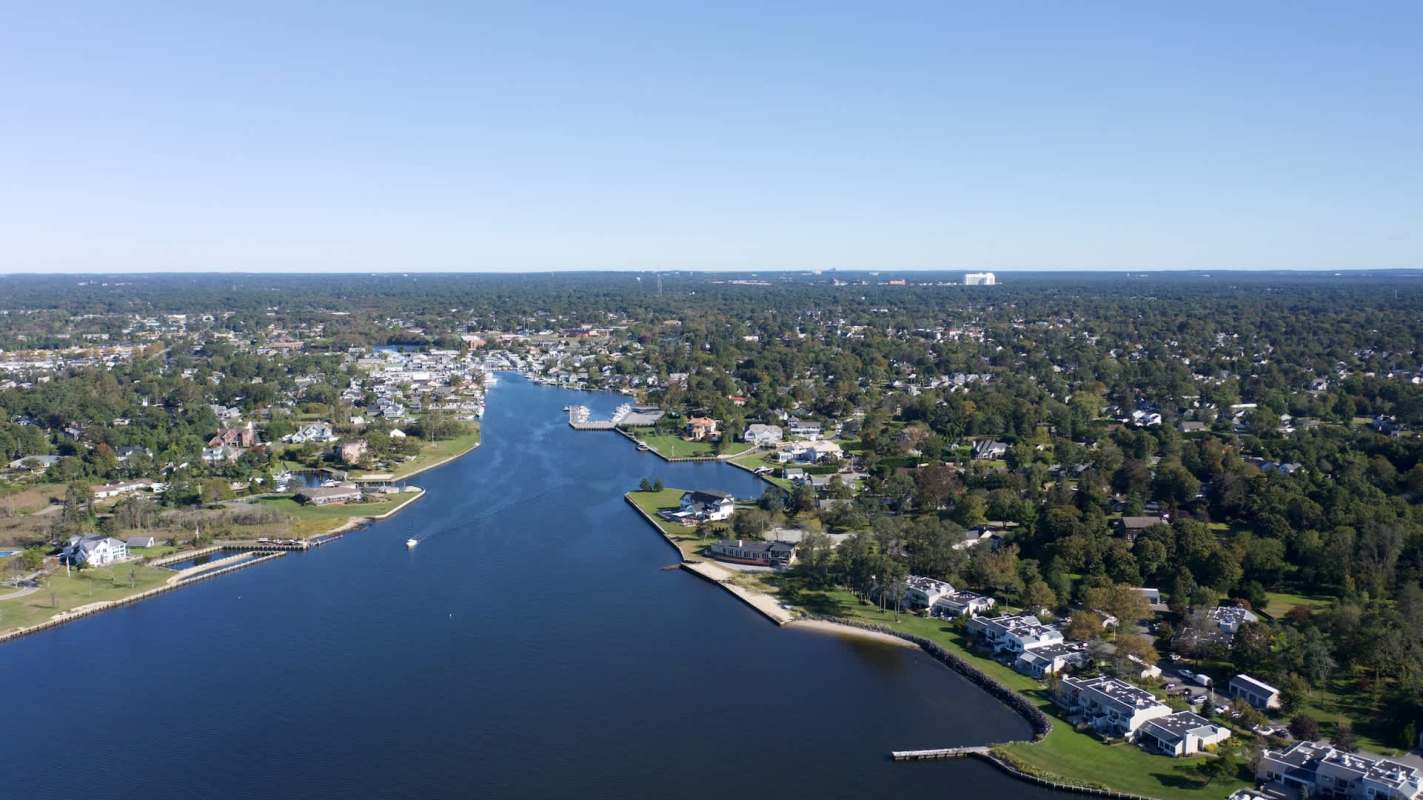
The effects of rising seas are already being felt worldwide, especially on low-lying islands, where whole communities face chronic flooding and displacement.
Both polar regions are warming at significantly faster rates than the rest of the world, accelerating ice loss and contributing to higher seas. Warming oceans also have profound effects on ocean ecosystems, threatening the vital megafauna that maintain marine health.
Coastal erosion threatens vast numbers of beaches. Indeed, nearly half could disappear by century's end, according to one report — and beachfront properties are being lost to advancing waters. Because about 15% of the world's population lives within about six miles of a coastline, the scale of the threat can scarcely be exaggerated.
What's being done?
Governments, humanitarian groups, and grassroots organizations are working to strengthen coastal resilience to protect those most vulnerable to encroaching seas and to support safe evacuations when necessary.
Meanwhile, the co-authors of this study are clear that more research into risks posed by Antarctic melt is needed. Accurate models will be essential for designing effective plans to adapt to rising seas and the new world they're forming. The pictures they paint may also incentivize governments and industries to enhance their commitments to the clean energy transition.
TCD Picks » Quince Spotlight
💡These best-sellers from Quince deliver affordable, sustainable luxury for all




|
Do you worry about the quality of the air inside your home?
Click your choice to see results and speak your mind. |
 Yes — often 😬
Get TCD's free newsletters for easy tips to save more, waste less, and make smarter choices — and earn up to $5,000 toward clean upgrades in TCD's exclusive Rewards Club.
Cool Picks






