


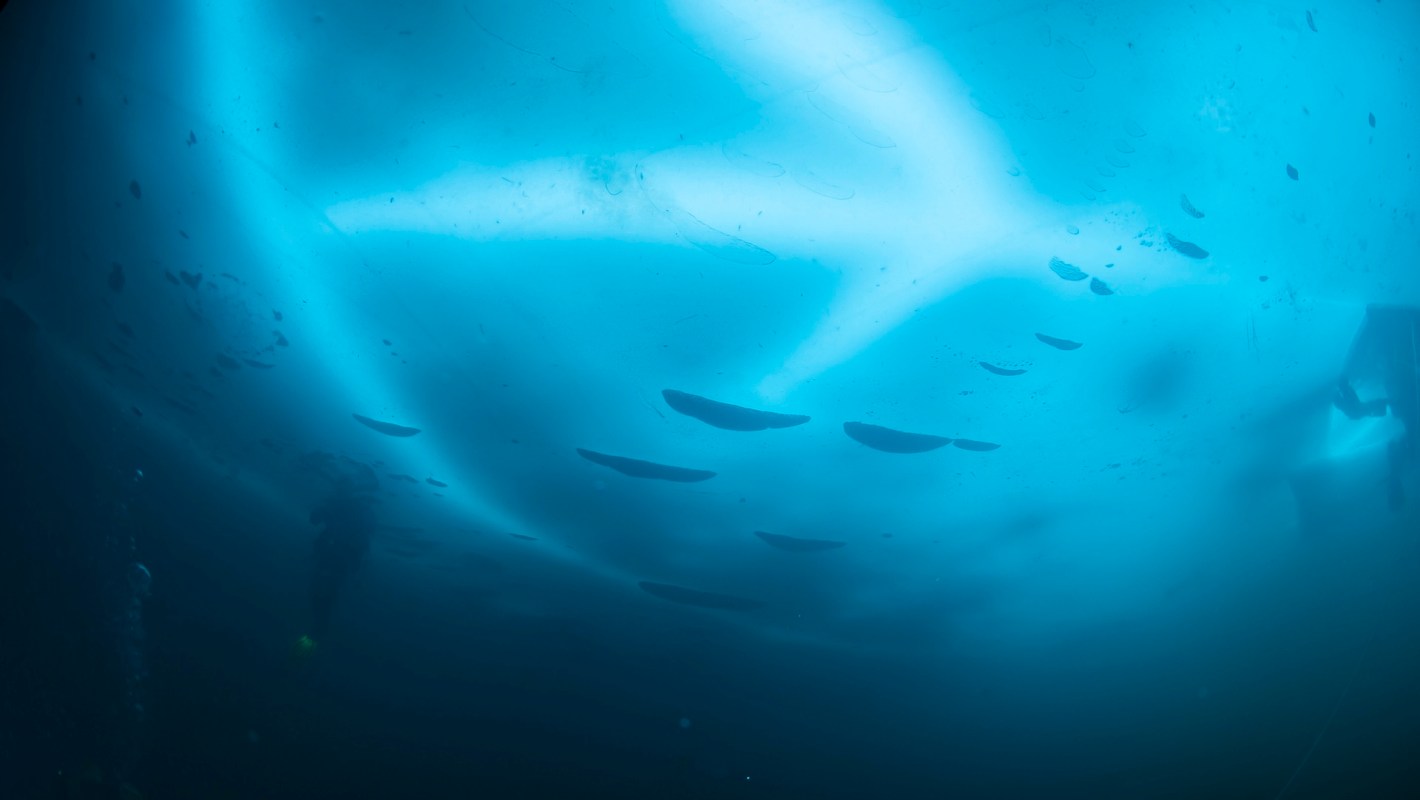
Beneath Antarctica's frozen surface, a fleet of torpedo-shaped robots has been diving into the depths to help solve one of the planet's biggest mysteries.
For decades, Antarctic sea ice behaved in a puzzling way. Even as global temperatures rose, sea ice around the continent was expanding. Then, in 2016, the trend abruptly reversed — ice levels dropped and have remained low ever since.
Now, scientists are gaining new insight into why, thanks to underwater devices known as Argo floats, according to Grist.
About the size of a person, these robots dive thousands of feet below the ocean's surface, collecting data on temperature and salinity before resurfacing to transmit their findings via satellite. Over time, they've created a detailed picture of ocean conditions in a place where humans can rarely reach.
What they've uncovered is a hidden process unfolding beneath the ice.
In Antarctic waters, colder, fresher water typically sits atop warmer, saltier water below. For years, this layering trapped heat deep in the ocean, allowing sea ice to form above it.
TCD Picks » Quince Spotlight
💡These best-sellers from Quince deliver affordable, sustainable luxury for all




But shifting conditions, including stronger winds, have begun to mix these layers. That churning pulls warming water up to the surface, releasing stored heat and accelerating sea ice loss.
"What we witnessed was basically this very violent release of all that pent-up heat from below that we linked to the sea ice decline," said lead author Earle Wilson, according to Grist.
Sea ice plays a critical role far beyond the polar region. It acts as a protective barrier for massive ice sheets and reflects sunlight back into space, helping regulate Earth's temperature.
Understanding how and why it changes can improve predictions around sea-level rise, weather patterns, and impacts on coastal communities worldwide.
|
Which of these savings plans for rooftop solar panels would be most appealing for you?
Click your choice to see results and earn rewards to spend on home upgrades. |
 Save $1,000 this year 💸
 "One of the key takeaways from the study is that the ocean plays a huge role in sort of modulating how sea ice can vary from year to year, decade to decade," Wilson said.
As Argo floats continue to gather data in one of the most remote regions on Earth, scientists are gaining the tools to make more accurate forecasts, helping communities and policymakers better prepare for the future.
There's still uncertainty about whether Antarctic sea ice will stabilize or continue to decline. But with clearer data, researchers are no longer navigating in the dark.

Get TCD's free newsletters for easy tips, smart advice, and a chance to earn $5,000 toward home upgrades. To see more stories like this one, change your Google preferences here.







