


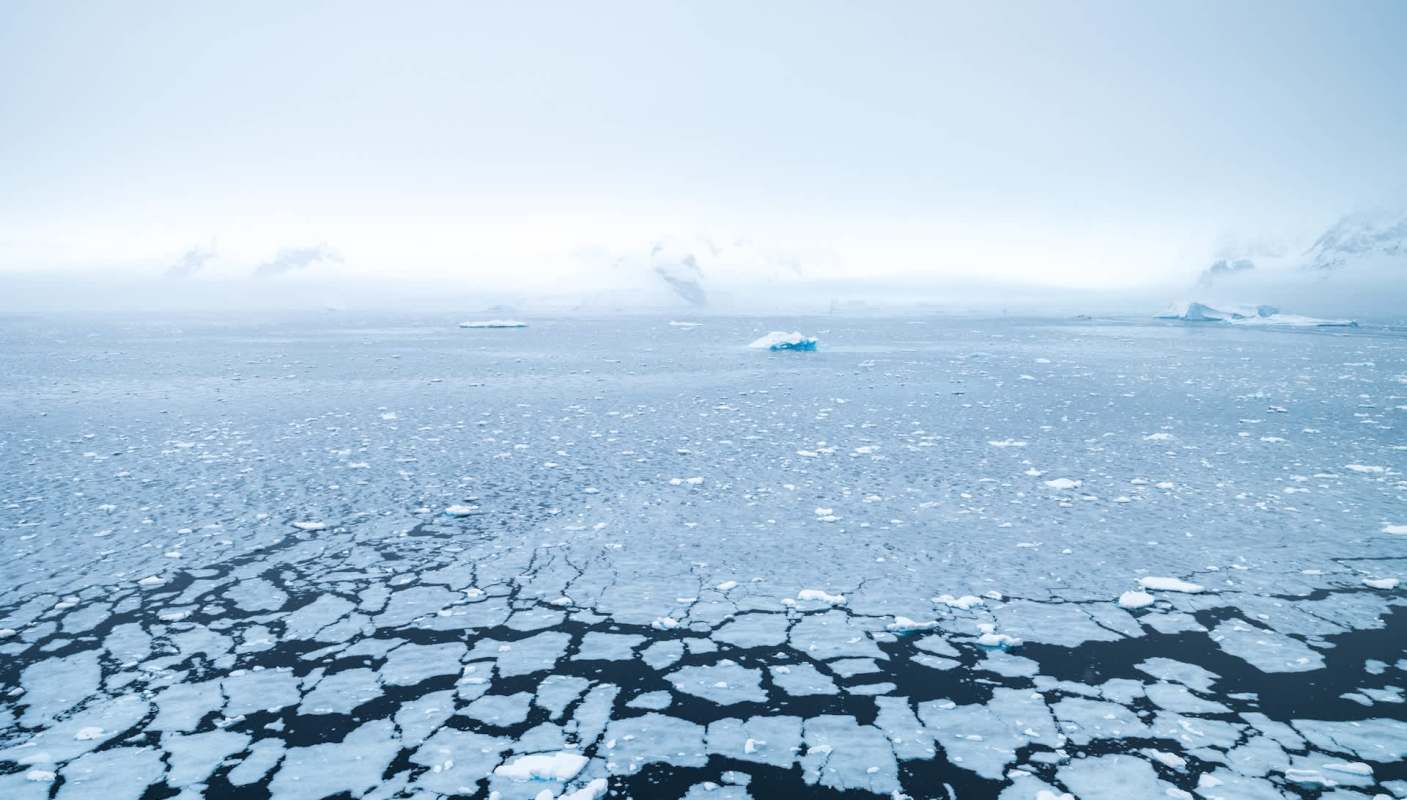
Research scientists developing a climate record by studying aging layers of Antarctic ice discovered that the deepest layer of ice in the South Pole Basin contained trace amounts of sediment, according to the University of Texas Institute for Geophysics (via Phys.org).
The scientists believe the presence of sediment is due to the ice gradually moving down a mountain range underneath the glaciers, picking up sediment that became deposited in the basin.
"We were not expecting this," said Duncan Young, a research scientist at the University of Texas Institute for Geophysics. "We think that as the ice melted, the basal unit carried small amounts of material from the mountain range and left sediment behind."
He further explained that it was likely a gradual process that happened over 14-30 million years.
What's happening?
Researchers have been studying climate change through the analysis of ice cores drilled from the Antarctic ice sheet for years. The chemicals and bubbles of air that the ice traps provide information about how the planet's climate has changed over time.
Similar to a tree's rings that show growth patterns over time, ice is frozen in chronological order.
TCD Picks » Quince Spotlight
💡These best-sellers from Quince deliver affordable, sustainable luxury for all




Where the ground is rich with sediment, there is more geothermal heat, so the ice sheet melts at the base and forms lakes. These findings help researchers on the quest to find places with the oldest continuous ice, which can date back further than the current oldest sample, estimated at 800,000 years old.
The further back the ice can be dated, the more scientists can learn about how the climate is changing over time and how we can slow the warming of the planet with our current actions.
Why is studying glaciers important?
Glacial melting has a significant impact on the environment. Rising sea levels are a risk to communities along the coast.
From home damage to complete destruction, to the decrease in property values and lack of access to affordable homeowner's insurance, the rising sea levels are bad news for homeowners. They can also lead to saltwater flowing into rivers and impacting freshwater ecology.
What's being done about the new information?
The research continues in hopes that by studying the past, we can create a better future. Young explained that "understanding how the heat flow varies at the base of the ice sheet and what the temperature is there is critical for finding places where the oldest continuous ice might be preserved."
|
Do you think America does a good job of protecting its natural beauty? Click your choice to see results and speak your mind. |
 Definitely 👍
Join our free newsletter for good news and useful tips, and don't miss this cool list of easy ways to help yourself while helping the planet.







