


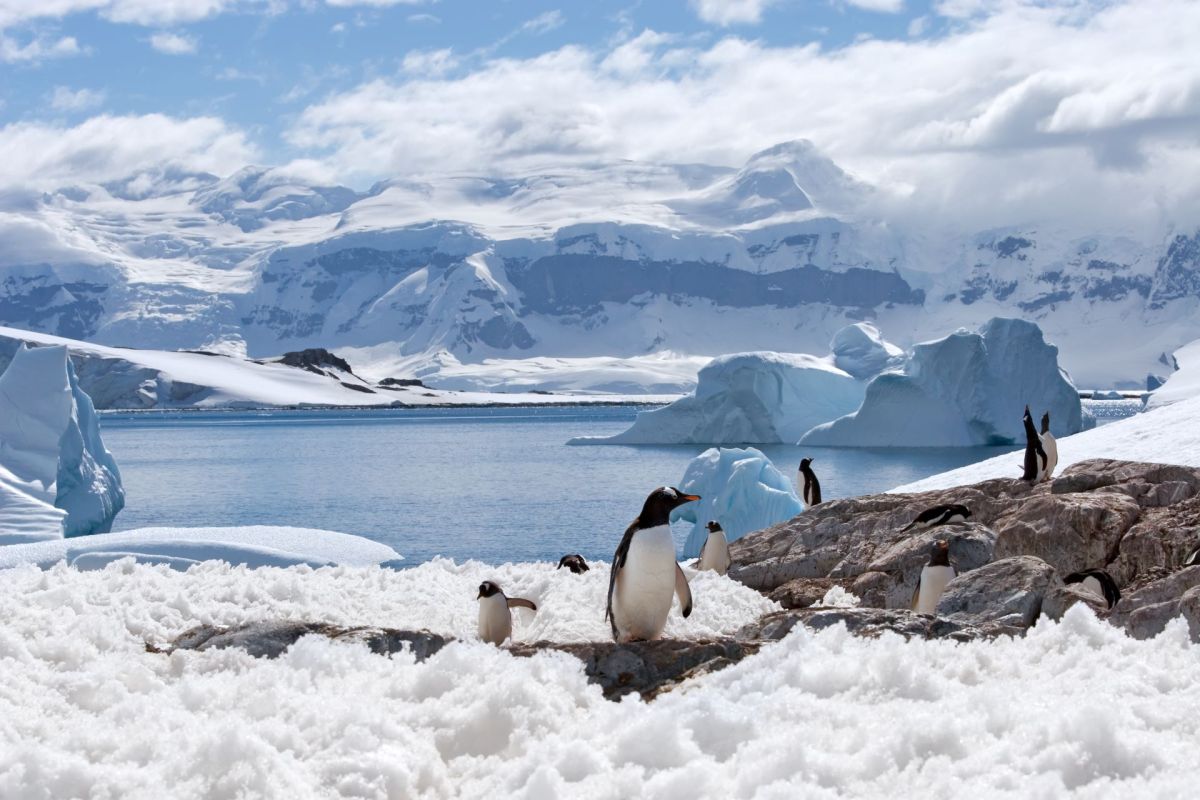
New scientific analysis from the Antarctic Peninsula warns that decisions made in this decade will shape the southern continent's future "for centuries to come" and have worldwide impacts, as a university report detailed.
What's happening?
The study, published in Frontiers in Environmental Science by an international team of researchers, modeled three possible futures for the Antarctic Peninsula based on different pollution emissions pathways.
Under the highest emissions scenario, winter sea ice coverage could fall by 20%, major ice shelves would be likely to collapse by 2100, and sea level contributions from the Antarctic Peninsula alone could reach several inches by 2300. Under a lower emissions path, those changes would be significantly less.
"The Antarctic Peninsula is a special place," said lead author Bethan Davies of Newcastle University in the press release. "Its future depends on the choices that we make today. … Though Antarctica is far away, changes here will impact the rest of the world through changes in sea level, oceanic and atmospheric connections, and circulation changes."
Why is Antarctic ice melt concerning?
When ice shelves collapse and land-based glaciers retreat due to rising global temperatures — largely driven now by burning oil, gas, and coal, according to NASA — melting water flows into the ocean, driving sea level rise that threatens coastal communities, such as Hawaiʻi.
Disruption to sea ice unravels marine food chains. Krill, a critical food source for whales, penguins, and fish, depends heavily on sea ice for habitat and to help keep oceans cool, according to the Marine Stewardship Council. As that ice shrinks, krill populations are expected to shift and decline, straining the seafood stocks that millions of people rely on for food and work.
As extreme weather, such as intense flooding and extreme drought, becomes more frequent, ecological systems destabilize. These events don't just damage property; they strain public health infrastructure, disrupt critical supply chains of food and water, and push vulnerable communities further into harm's way.
"What concerns me most about the higher emissions scenario is just how permanent the changes could be," Davies said. "It would be very hard to regrow the glaciers and bring back the wildlife that makes Antarctica special."
What's being done about it?
While warning about the worst-case scenario, the researchers make clear that the lower emissions scenario is achievable and makes a meaningful difference.
Under that path, sea ice remains close to current levels, and sea level contributions from the Antarctic Peninsula are limited. But big changes would need to be made to increase reliance on clean energy and phase out traditional energy sources.
TCD Picks » Quince Spotlight
💡These best-sellers from Quince deliver affordable, sustainable luxury for all




At an individual level, reducing reliance on oil and gas through home energy choices, transportation, and purchasing contributes to the type of emissions reductions the study says could prevent the worst outcomes. The next decade — the researchers emphasize — is critical.
|
Which of these savings plans for rooftop solar panels would be most appealing for you?
Click your choice to see results and earn rewards to spend on home upgrades. |
 Save $1,000 this year 💸
Get TCD's free newsletters for easy tips to save more, waste less, and make smarter choices — and earn up to $5,000 toward clean upgrades in TCD's exclusive Rewards Club.
Cool Picks






