


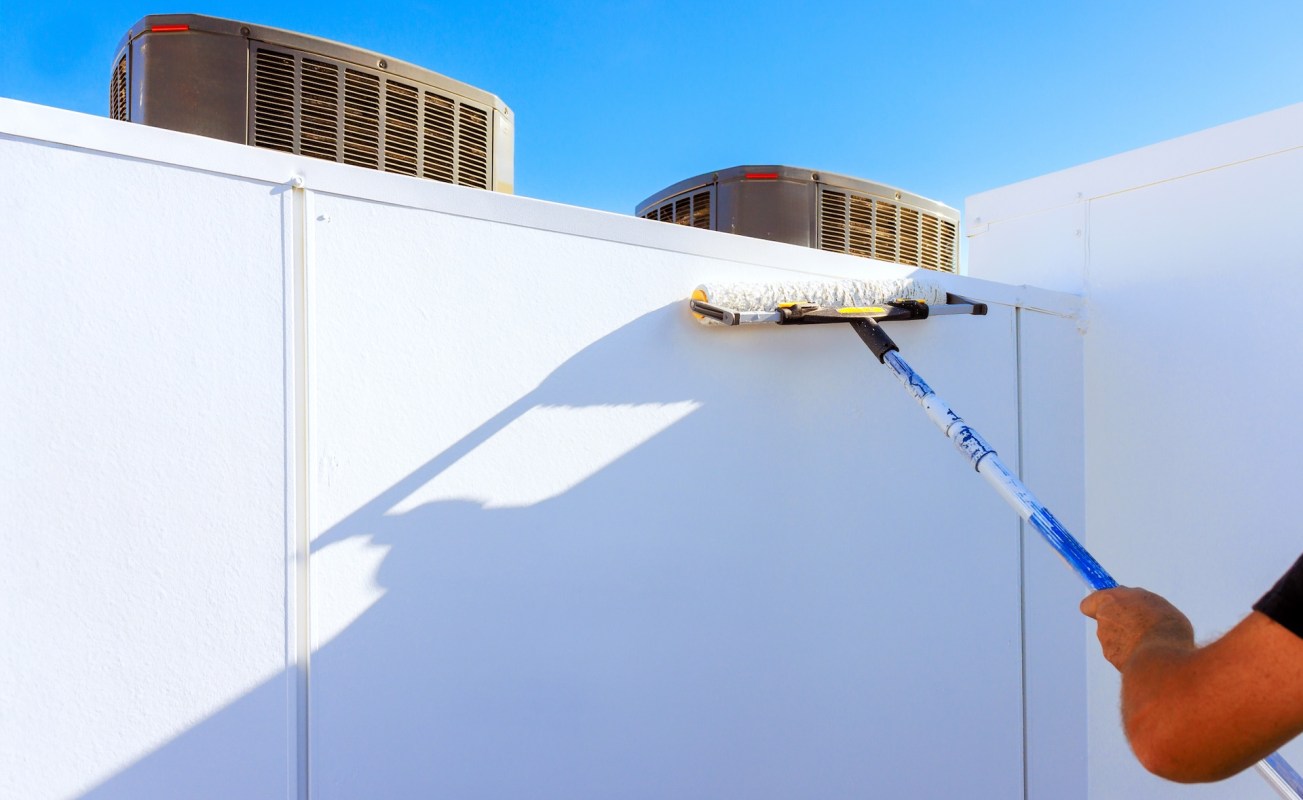
Cities can mitigate some warming by expanding parks and using white roofs, but a study from Barcelona indicates that these steps will still fall short as Earth's warming intensifies.
Even where those cooling measures work, the researchers found, projected late-century heat could outpace much of the benefit.
What happened?
Researchers at the Institute of Environmental Science and Technology at the Universitat Autònoma de Barcelona found that urban design changes can lower dangerous heat exposure, even as the effects of rising global temperatures push cities toward greater risk.
To estimate future heat-wave impacts across the Barcelona metropolitan area, the team paired weather simulations with the Pseudo Global Warming approach.
Reflective white roofs delivered the largest daytime temperature drop of any strategy examined, lowering readings by up to 1.75 degrees Celsius (3.15 degrees Fahrenheit) in the city's most vulnerable zones.
Parks also brought noticeable cooling, and when combined with white roofs, they were identified as "the most promising measure" by researchers.
TCD Picks » Quince Spotlight
💡These best-sellers from Quince deliver affordable, sustainable luxury for all




The results were not uniformly positive: in some cases, white facades could worsen conditions, and green roofs offered only limited daytime cooling while slightly increasing nighttime temperatures.
Even after accounting for these adaptations, the researchers said temperatures in the region could climb by more than 6 degrees Celsius (10.8 degrees Fahrenheit) by 2100, UAB reported.
Why does it matter?
Urban heat is not just uncomfortable — it can be deadly.
Dense neighborhoods tend to trap heat, and that burden often falls hardest on communities that already have fewer resources.
The lesson extends beyond Spain. Under present-day conditions, adaptation measures like these can reduce heat vulnerability by roughly 43% to 47%.
By 2100, though, that reduction is projected to shrink to just 16%.
Cooler roofs and more green space can help, but they are not a replacement for cutting planet-warming pollution.
In densely populated and lower-income parts of the metro area, the study projects that heat vulnerability could still roughly double by 2100.
What are people saying?
Researchers described white roofs as "the most effective daytime strategy," with the biggest gains showing up in hotter, more vulnerable parts of the city.
They also called the pairing of parks and white roofs the best approach, while noting that some interventions came with drawbacks.
Among those caveats, white roofs "could be counterproductive on facades," and green roofs "modestly reduced daytime heat" while causing "a slight nighttime increase."
Cities may be able to buy some relief, but they cannot paint their way out of a 2100 heat crisis.

Get TCD's free newsletters for easy tips, smart advice, and a chance to earn $5,000 toward home upgrades. To see more stories like this one, change your Google preferences here.






