


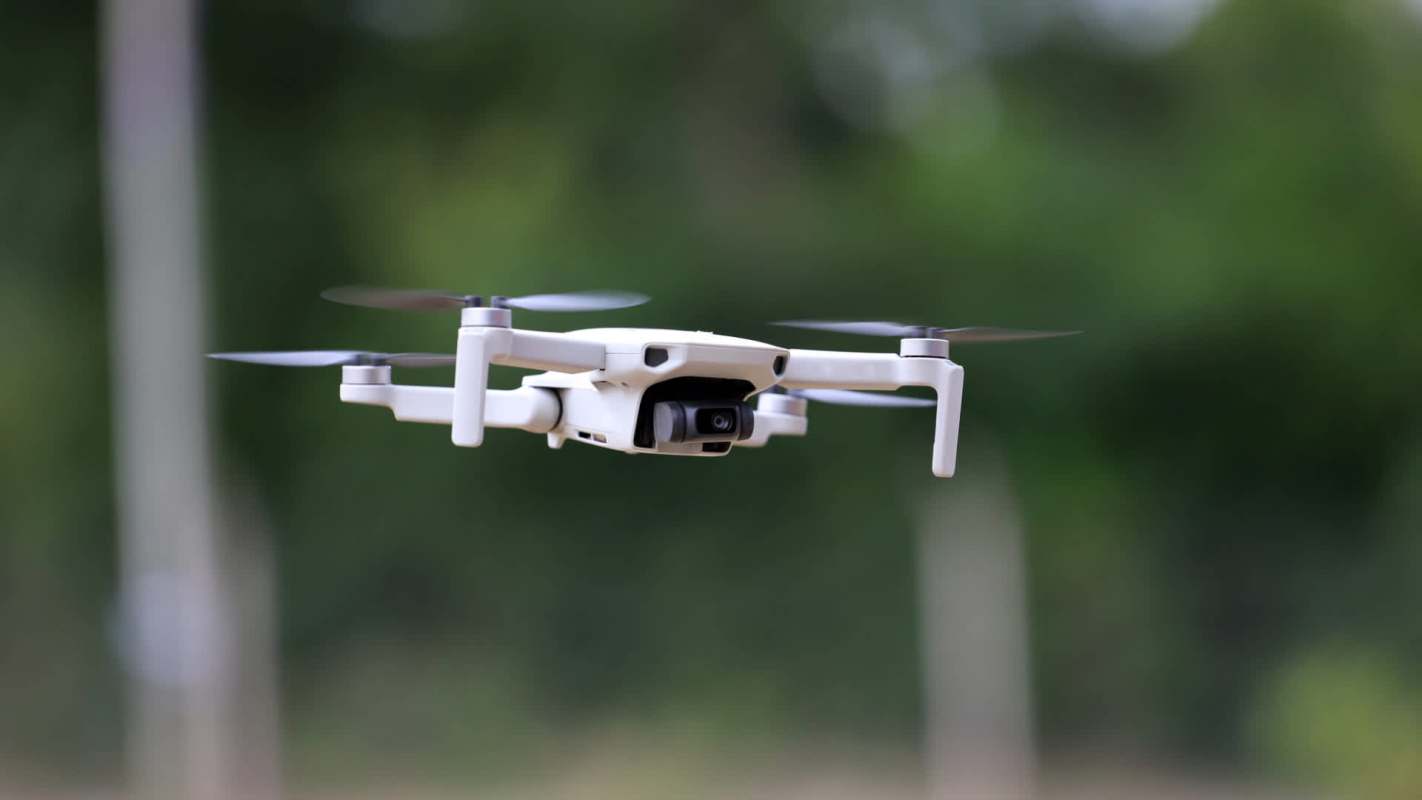
Several U.K. oil companies are contracting with advanced drone operator Flylogix to remotely monitor the emissions of the heat-trapping gas methane at their offshore drilling stations, the Sustainable Times reported.
Offshore drilling regularly produces a buildup of methane that oil companies deal with by "venting" (releasing it into the atmosphere) and "flaring" (burning it as it escapes). Unfortunately, a lot of methane still makes it into the air intact, where it traps many times more heat than ordinary carbon air pollution. Stations also sometimes simply develop methane leaks. The more heat-trapping air pollution in our atmosphere, the more the planet heats up and the less stable our climate becomes, resulting in extreme weather events.
In a perfect world, we would stop relying on dirty energy like oil when there are so many clean energy options available. But as part of the transition process, it's important to do what we can to understand the problem and correct it as much as possible.
That's where Flylogix comes in. Major oil and gas companies like Shell, Ithaca Energy, and Equinor have just signed contracts with this drone company to send its advanced, unmanned mini aircraft to the area above 16 of their North Sea oil platforms and monitor for escaping methane. Operating out of Aberdeenshire and Fareham, they will provide detailed data for these locations — and even a few inland stations — over the next several years. They may even establish a permanent drone base in Scotland for more effective monitoring.
"Flylogix's solution allows operators to receive timely data without the cost, emissions, or safety implications of sending crews offshore," said Flylogix CEO Charles Tavner, per the Sustainable Times. "The strength of support for this innovative technology is putting Flylogix on a steady flight path to profitability and our growth ambitions."
The data gathered will help the U.K. meet its goal of halving methane emissions and eliminating routine flaring and venting by 2030.
Flylogix is also looking forward to expanded operations thanks to changes in how its drones are allowed to utilize airspace in the region. "The potential for this technology will only grow as we gear up for the CAA trial this summer, allowing our drones to fly more frequently to support oil and gas, defence, and renewables. The North Sea has always been a hub of innovation – now it is the future of flight," said Tavner.
|
Do you worry about air pollution in your town? Click your choice to see results and speak your mind. |
 All the time 💯
Join our free newsletter for weekly updates on the latest innovations improving our lives and shaping our future, and don't miss this cool list of easy ways to help yourself while helping the planet.
Cool Picks





