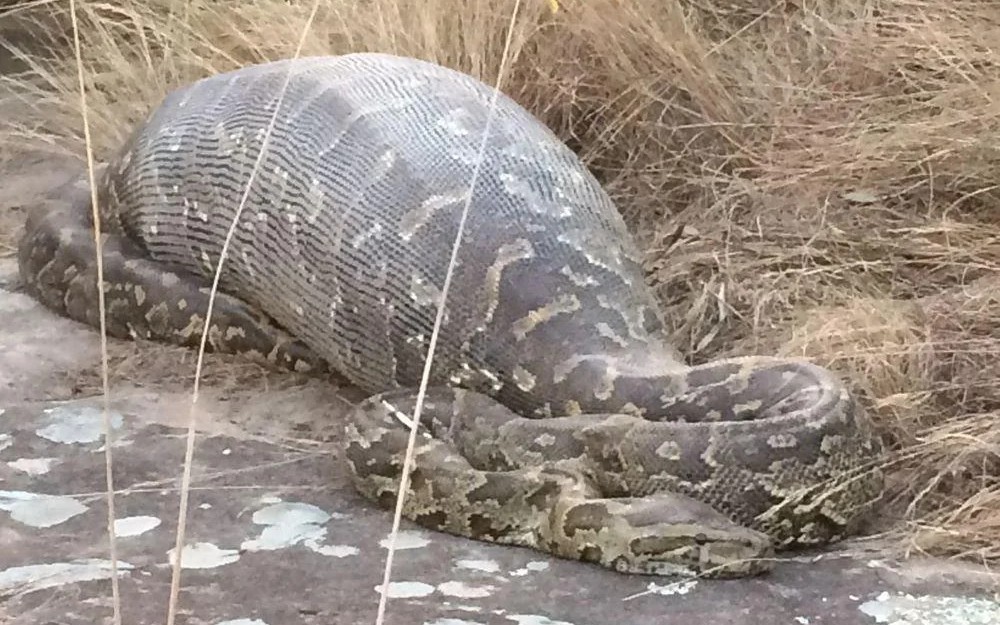
A legendary creature with a stout middle and a thin tail may not be so mysterious after all.
An online discussion on r/Cryptozoology subreddit is revisiting Japan's famed tsuchinoko, a snake-like figure from folklore, with a much more down-to-earth explanation. It could just be a snake that downed a big meal.
What's happening?
The poster posed a straightforward question about the tsuchinoko: "Is it plausible the tsuchinoko is just a misidentification of a snake after eating a big meal?"
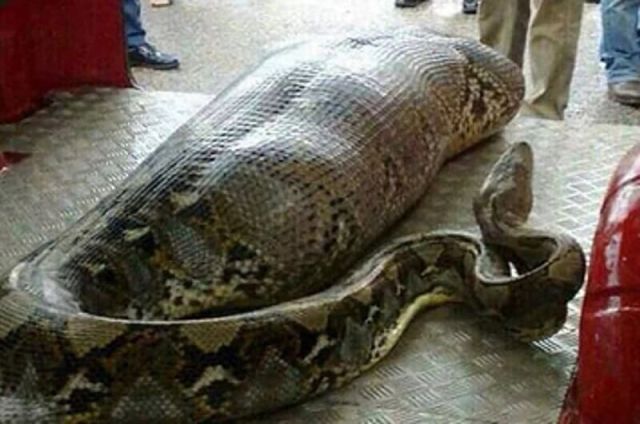
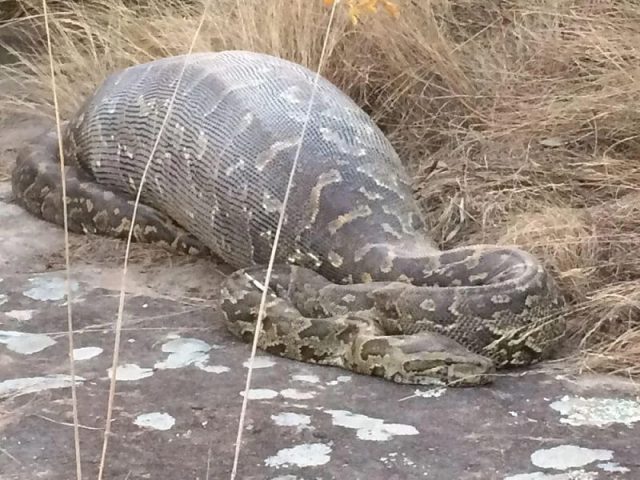
Biology suggests the answer could be yes, and the OP neatly laid out their logic. Snakes are able to consume prey much larger than their heads thanks to flexible jaws, stretchy skin, and movable ribs.
After eating, many species develop a pronounced bulge in the middle of their bodies while their tails remain narrow. That silhouette looks a lot like common depictions of the tsuchinoko.
Of course, to really match the description, they wondered if it'd make more sense if a big snake was involved. As the OP noted, Japan has no native pythons. Still, nonnative pet snakes sometimes escape or are released, as Florida knows too well.
TCD Picks » Good Store Spotlight
Get 10% off your next purchase with code TCD10


"This is probably the most likely explanation behind it," one supportive commenter wrote.
There were also cynics. One commenter, who labeled themself as a skeptic, noted the mythical creature predated the pet trade and was more of a lizard-like animal. They later conceded a smaller snake could have been mistaken for a mythical creature after a big meal.
Why does it matter?
Unusual animal sightings certainly aren't just the stuff of legend, nor are they always benign. It's unclear what the context of the tsuchinoko's origin is, but it is almost assuredly better if it was just a local snake that got a good meal.
That's because escaped exotic pets can have a detrimental impact on local ecosystems. Released or abandoned reptiles can become a burden for animal control agencies and wildlife responders.
In some places, nonnative snakes may compete with local species, prey on small animals, or struggle and suffer if they are not suited to the climate. Nearby residents may also face safety worries, pet losses, or costly removal efforts.
What can I do?
If you see a snake that looks unusually thick in the middle, the safest move is to leave it alone. A recently fed snake is often resting and may become defensive if approached.
Taking a photo from a safe distance and contacting local wildlife officials, animal control, or a reptile rescue may be the best next step if the animal appears out of place.
Before buying any snake, it is important to research its adult size, lifespan, enclosure needs, diet, and veterinary costs. A secure habitat matters too, since even small gaps can lead to escapes.
If keeping an exotic reptile is no longer possible, releasing it outdoors is not the answer. Contacting a rescue organization, shelter, breeder, or local herpetological society about surrender options can help protect local wildlife while giving the animal a better chance at proper care.
As for getting a definitive grasp on the tsuchinoko, that's probably going to remain elusive forever.

Get TCD's free newsletters for easy tips, smart advice, and a chance to earn $5,000 toward home upgrades. To see more stories like this one, change your Google preferences here.