


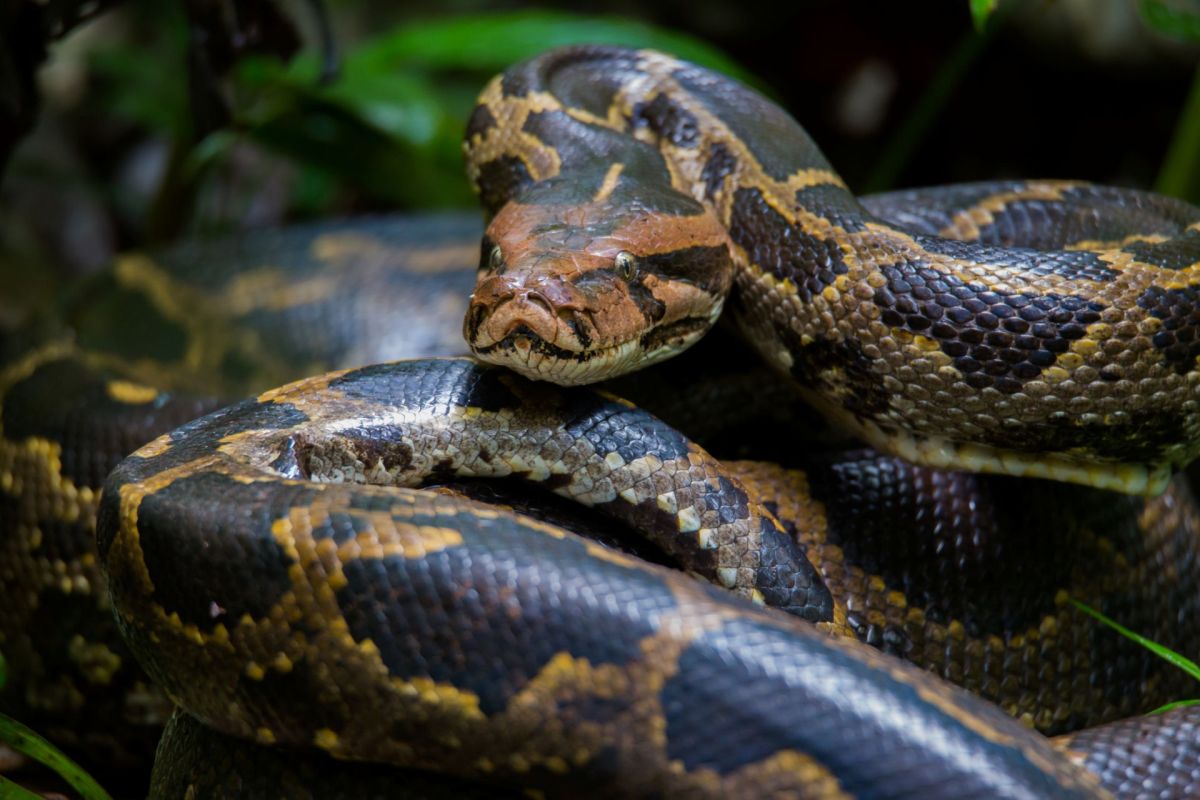
A nearly 13-foot Burmese python in Florida is forcing scientists to rethink how quickly the invasive species can multiply.
The snake, named Harriet and described by researchers as the "most interesting Burmese python on the planet," laid eggs far more often than experts once believed possible, USA Today reported.
What's happening?
In a study published in Reptiles & Amphibians, researchers documented Harriet producing six clutches of eggs across seven reproductive cycles — a pace that challenges the long-held idea that female Burmese pythons usually breed every two or even three years.
Scientists with the Conservancy of Southwest Florida have tracked Harriet since 2019 in their region, where invasive pythons have become a major ecological threat. Biologist Ian Easterling told USA Today that Harriet offers a clearer picture of "what an adult female Burmese python is capable of."
That is especially important because the species is already deeply entrenched in Florida. Burmese pythons likely took hold in Everglades National Park in the mid-1980s after captive snakes were released or escaped.
By 2012, researchers estimated pythons had contributed to an 85% to 100% decline in populations of several medium-sized mammals in the park, helping turn the invasive snakes into one of the region's most destructive predators.
TCD Picks » Quince Spotlight
💡These best-sellers from Quince deliver affordable, sustainable luxury for all




Why does it matter?
Harriet's unusual fertility is bad news for Florida's ecosystems and for the communities that depend on healthy wetlands, balanced wildlife populations, and resilient natural spaces.
The Everglades is not just a wildlife haven; it is a critical part of South Florida's environmental health and economy. When invasive predators spread faster than expected, it becomes even harder to restore native habitats and protect the species that belong there.
Researchers say female pythons are "capital breeders," storing up energy during feeding season and burning through fat reserves while breeding. Because a breeding cycle can cut a female's weight by roughly 35% to 40%, scientists assumed that kind of strain limited how often they could reproduce. Harriet appears to challenge that theory.
That means population models may need updating — and so may control strategies. More frequent breeding could translate into more snakes in the wild, further delaying progress toward healthier ecosystems for people and animals alike.
What's being done about Florida's python problem?
Florida has spent years trying to slow the spread. Since 2017, the South Florida Water Management District has paid contracted hunters to remove pythons, while the Florida Fish and Wildlife Conservation Commission runs a similar program. In 2021, the state officially classified Burmese pythons as a prohibited species.
The Conservancy of Southwest Florida has taken a particularly targeted approach. Since 2013, researchers have used radio-tagged "scout snakes" — captured pythons released with transmitters — to lead them to breeding females during breeding season.
That strategy has helped biologists and volunteers remove over 1,700 pythons, weighing a total of 52,000 pounds, across roughly 200 square miles in southwest Florida, according to USA Today.
For residents, the takeaway is less about personal action and more about supporting science-based conservation and avoiding the exotic pet trade that helped create the problem in the first place. Early intervention and sustained habitat protection can make a major difference when ecosystems are under pressure.

Get TCD's free newsletters for easy tips, smart advice, and a chance to earn $5,000 toward home upgrades. To see more stories like this one, change your Google preferences here.







