


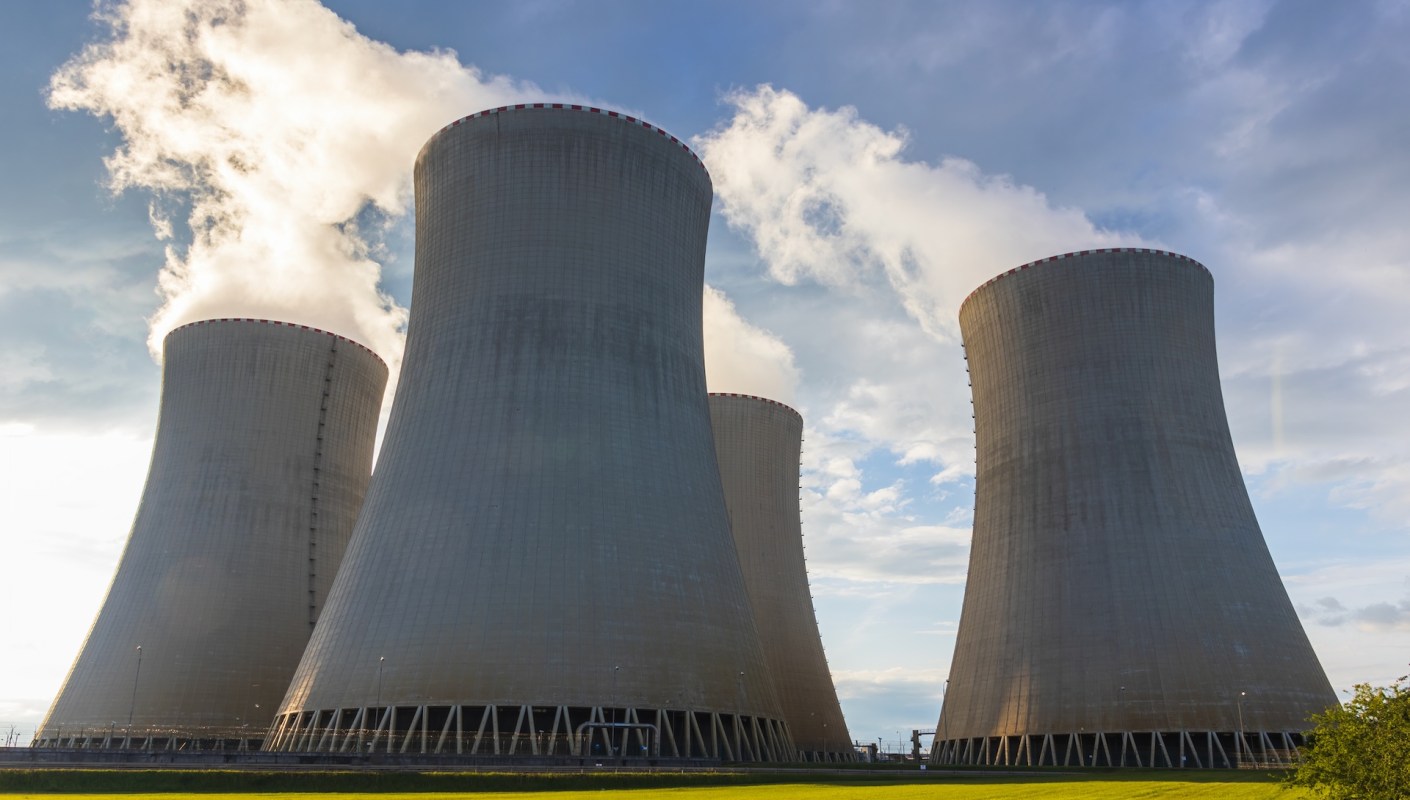
A research team in China may have taken a major step toward making nuclear power far more sustainable, per the South China Morning Post.
Scientists at the Chinese Academy of Sciences confirmed that an experimental thorium molten salt reactor in the Gobi Desert has successfully converted thorium into usable uranium fuel.
This is a breakthrough that could dramatically expand the world's supply of nuclear fuel while also reducing the limitations that have held back this technology.
Why does this matter? Let's back up: Nuclear fission is the process of splitting atoms to release heat. This heat can then be used to generate electricity.
Many scientists have praised nuclear fission for producing far less air pollution than burning fossil fuels.
However, traditional reactors rely on limited supplies of mined uranium. Plus, these reactors produce waste that must be handled carefully.
Perk up the winter blues with natural, hemp-derived gummies Camino's hemp-derived gummies naturally support balance and recovery without disrupting your routine, so you can enjoy reliable, consistent dosing without guesswork or habit-forming ingredients. Flavors like sparkling pear for social events and tropical-burst for recovery deliver a sophisticated, elevated taste experience — and orchard peach for balance offers everyday support for managing stress while staying clear-headed and elevated.
Learn more → |

Thorium, in contrast, is far more abundant. If reactors can reliably convert thorium into usable uranium fuel, countries could tap into a much larger and more stable fuel supply.
Even so, the technology has yet to be perfected.
Experts like Edwin Lyman have noted that newer reactor designs still come with safety, cost, and waste-management challenges. The Union of Concerned Scientists has warned that many "advanced" reactors are not necessarily safer than the nuclear plants already in use.
In spite of that, this breakthrough arrives at a moment when the world needs every cleaner energy option it can get. Nuclear power isn't renewable (because it is finite), but it does produce large amounts of low-carbon electricity.
TCD Picks » Upway Spotlight
💡Upway makes it easy to find discounts of up to 60% on premium e-bike brands





|
Should we be pouring money into nuclear fusion technology? Click your choice to see results and speak your mind. |
 Yes — it'll pay off 👍
 When combined with other clean energy sources like solar and wind, it can further ease pressure on energy grids and reduce air pollution.
So, what's next?
China's reactor project remains experimental, but researchers say the system has been consistently generating heat.
Li Qingnuan, Chinese Communist Party secretary and deputy director at the Shanghai Institute of Applied Physics, told the South China Morning Post: "Since achieving first criticality on October 11, 2023, the thorium molten salt reactor has been steadily generating heat through nuclear fission."
If future phases continue to succeed, thorium-based reactors could eventually offer a more sustainable path to nuclear power. At worst, it will be yet another tool in the global effort to reduce pollution and build a more resilient energy future.

💰Get TCD's free newsletters for easy tips to save more, waste less, and make smarter choices — and earn up to $5,000 toward clean upgrades in TCD's exclusive Rewards Club.
Cool Picks





