


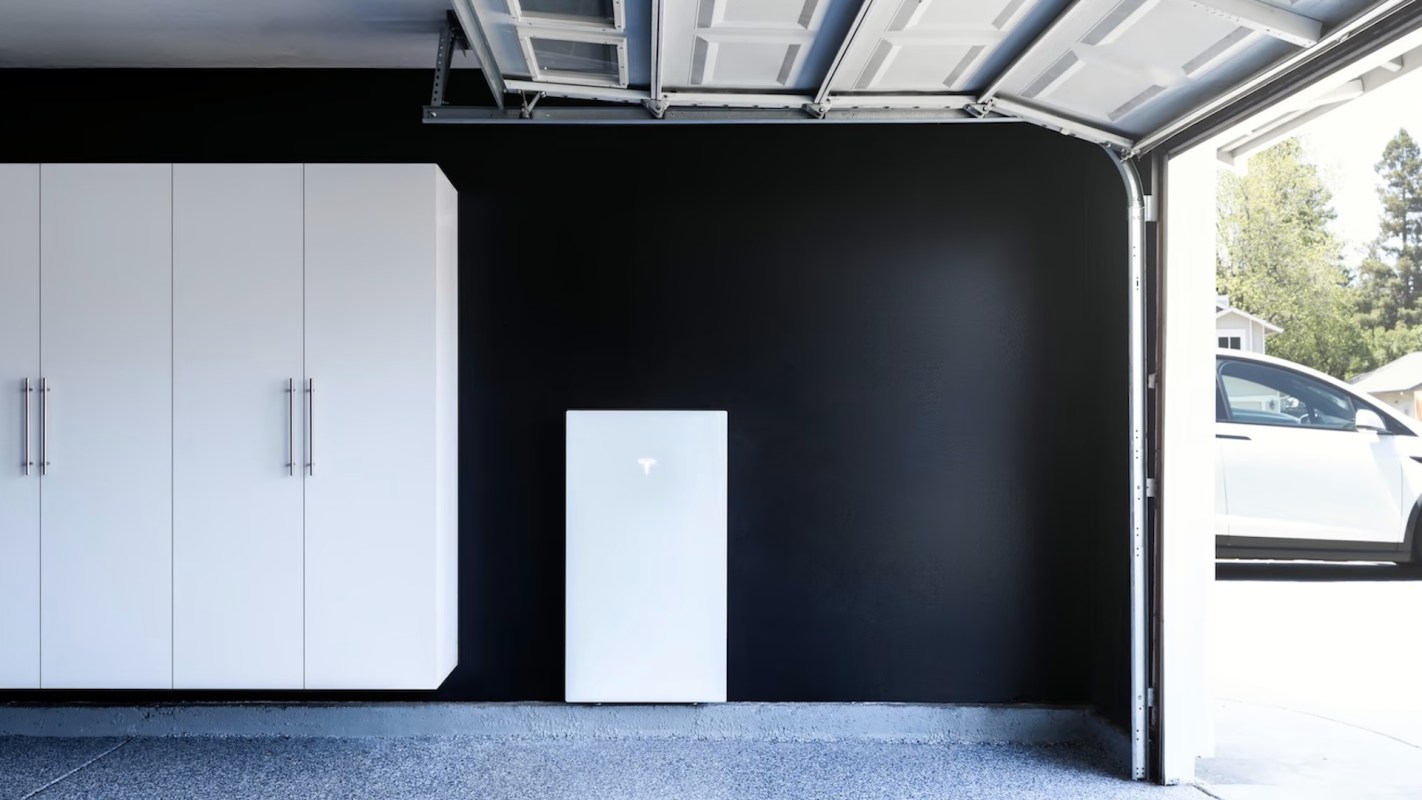
Japanese homeowners can now buy Tesla's Powerwall 3, a home battery designed to shift electricity use away from expensive periods and provide backup power when the grid fails.
Its arrival comes with another potential benefit for buyers: The unit qualifies for government incentives at both the national and local levels, which may help reduce the cost of adding backup power at home.
What happened?
Compared with the older Powerwall 2, which is rated for 5 kilowatts of output, the new Powerwall 3 can provide up to 9.69 kilowatts while storing 13.5 kilowatt-hours of electricity. According to BigGo Finance, sales in Japan opened on August 3, and installations are expected to begin between September and October.
Through its "Tesla Home" energy management platform and an AI feature called Opticaster, Tesla says the battery can decide when to store power and when to use it, drawing on factors including weather forecasts, electricity prices, household demand, and expected solar generation.
A built-in solar power conditioner gives the system a hybrid setup, letting it connect directly to rooftop panels or integrate with solar equipment a homeowner already has.
For homeowners weighing backup options, it may also be worth exploring EnergySage's free tools to learn more about home battery storage and get competitive installation estimates. EnergySage has teamed up with the electrification brand Qmerit to guarantee you get the best price on home battery storage solutions. Another option is Pila, whose plug-and-play batteries are priced at a fraction of what a whole-home backup system would cost.
Why does it matter?
Adding battery storage is one of the most effective ways to protect a home during outages. It can also help households cut energy costs and, when paired with solar panels, move closer to energy independence.
That kind of storage is useful because electricity from solar panels or lower-cost hours is not always available when a household needs it most. Tesla's system is meant to save that power for later, whether that means nighttime use, peak-price periods, or a blackout.
Save $10,000 on solar panels without even sharing your phone number Want to go solar but not sure who to trust? EnergySage has your back with free and transparent quotes from fully vetted providers in your area. To get started, just answer a few questions about your home — no phone number required. Within a day or two, EnergySage will email you the best options for your needs, and their expert advisers can help you compare quotes and pick a winner. Solar panels can save you more than $50k over their 25-year lifespan, and EnergySage can help you save as much as $10k on installation. Which begs the question — isn't that worth an email or two? |

With a maximum output of 9.69 kilowatts, the Powerwall 3 is intended to keep several appliances running at once during an outage.
Tesla says the unit can operate in temperatures ranging from 50 degrees Celsius down to -20 degrees Celsius (122 degrees Fahrenheit to 4 degrees Fahrenheit). It also offers protection against dust, heavy salt corrosion, and water reaching up to 60 centimeters (24 inches) above the base.
What's being done?
Tesla has obtained JIS C 4412 and JIS C 8715-2 safety certifications, the JC-Star IoT security certification, and the ECHONET Lite communication standard, and has completed SII equipment registration, a common requirement for subsidy eligibility, according to BigGo.
Buyers may also be able to access incentives such as Tokyo's household battery support program, which provides up to ¥1.2 million (about $7,673) for equipment and installation costs under its fiscal 2026 initiative. Exact eligibility requirements and application steps vary by municipality.
Tesla is accepting installation consultations through its website and says authorized Tesla installation partners in each region will handle follow-up. The company also plans to sell through retail partners, including Yamada Denki.
Pricing depends on the installer and project conditions. One example put a fully installed system at about ¥2.6 million (roughly $16,626).
Tesla's rollout in Japan reflects how home batteries are becoming about more than just raw capacity, with AI-driven controls, stronger backup performance, and access to subsidies all part of the package.

Get TCD's free newsletters for easy tips, smart advice, and a chance to earn $5,000 toward home upgrades. To see more stories like this one, change your Google preferences here.






