


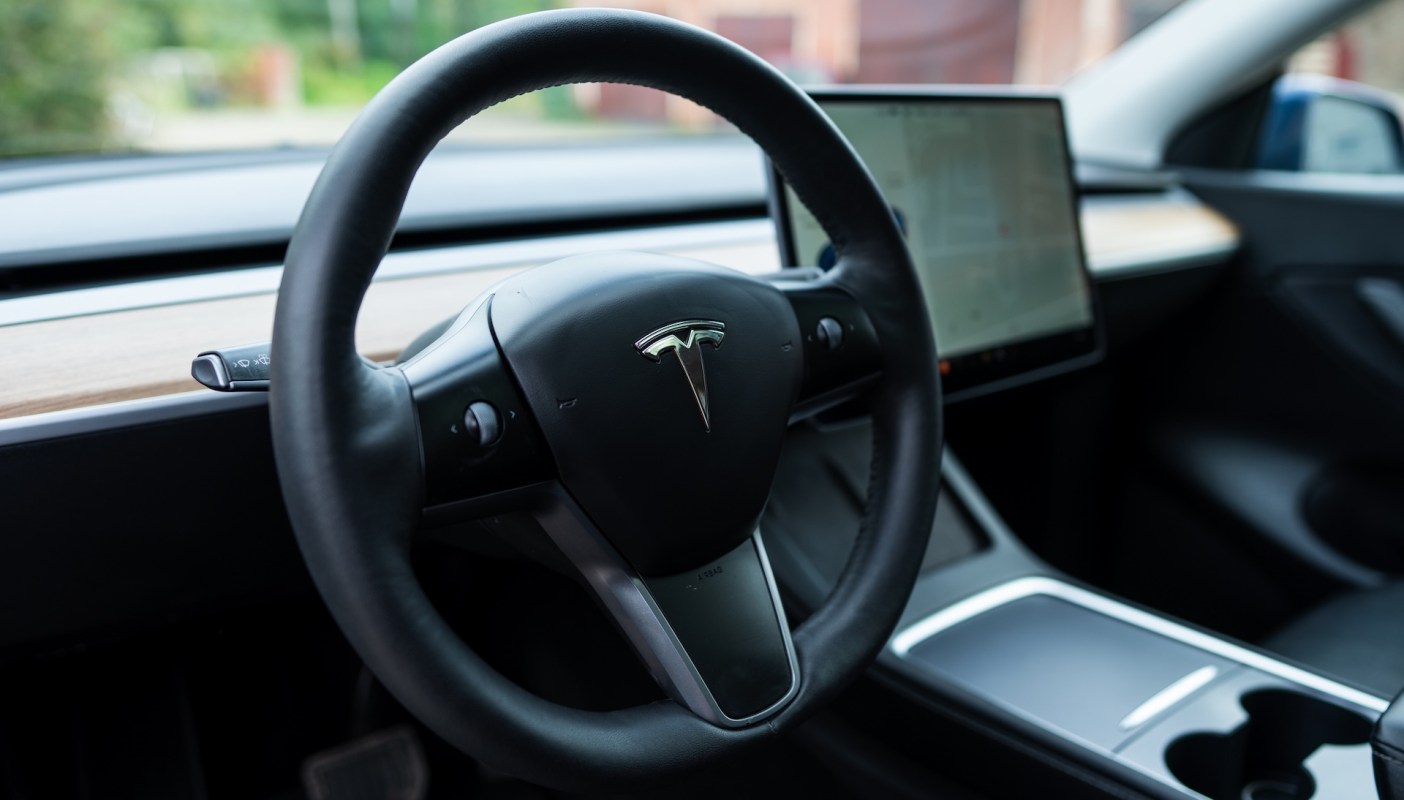
Police in Barrington Hills, Illinois, say a Tesla driver was arrested after crashing into a police vehicle while allegedly asleep at the wheel.
What's happening?
According to Electrek, the driver told officers they had dozed off as the car operated on Autopilot, a driver-assist system that requires drivers to keep their hands on the wheel and stay alert.
Though the system includes driver-monitoring cameras and steering wheel sensors, these safeguards can be bypassed. Some drivers use steering-wheel weights and other tricks to make it appear as if they're paying attention.
No serious injuries were reported, but the driver faces multiple charges for failing to maintain control of the vehicle.
As one commenter stated, "Tesla is what you get when you design a system to show off and not as a safety-first system."
Why is this crash so concerning?
Tesla's Autopilot and Full Self-Driving systems have long been scrutinized over misuse and safety lapses. Drivers sometimes assume these features can handle every situation, but Tesla vehicles use Level 2 driver-assist systems, meaning human attention is mandatory.
In this case, the driver's behavior appears to have directly contradicted the system's requirements. That has emerged as a pattern in crashes involving Tesla's automated technology.
The crash happened at a time full of other tense moments for the company. For instance, Tesla recently recalled thousands of Model 3 and Model Y vehicles for a defect that could cause them to lose power while in motion.
On Oct. 22, Tesla's third-quarter earnings report showed missed profit targets, with CEO Elon Musk shifting focus toward artificial intelligence and robotics projects such as the Cybertaxi and Optimus android.
These setbacks have contributed to growing consumer unease over the reliability and future direction of Tesla. If safety perceptions continue to erode, it could slow broader adoption of electric vehicles, which play a large role in reducing harmful air pollution from transportation.
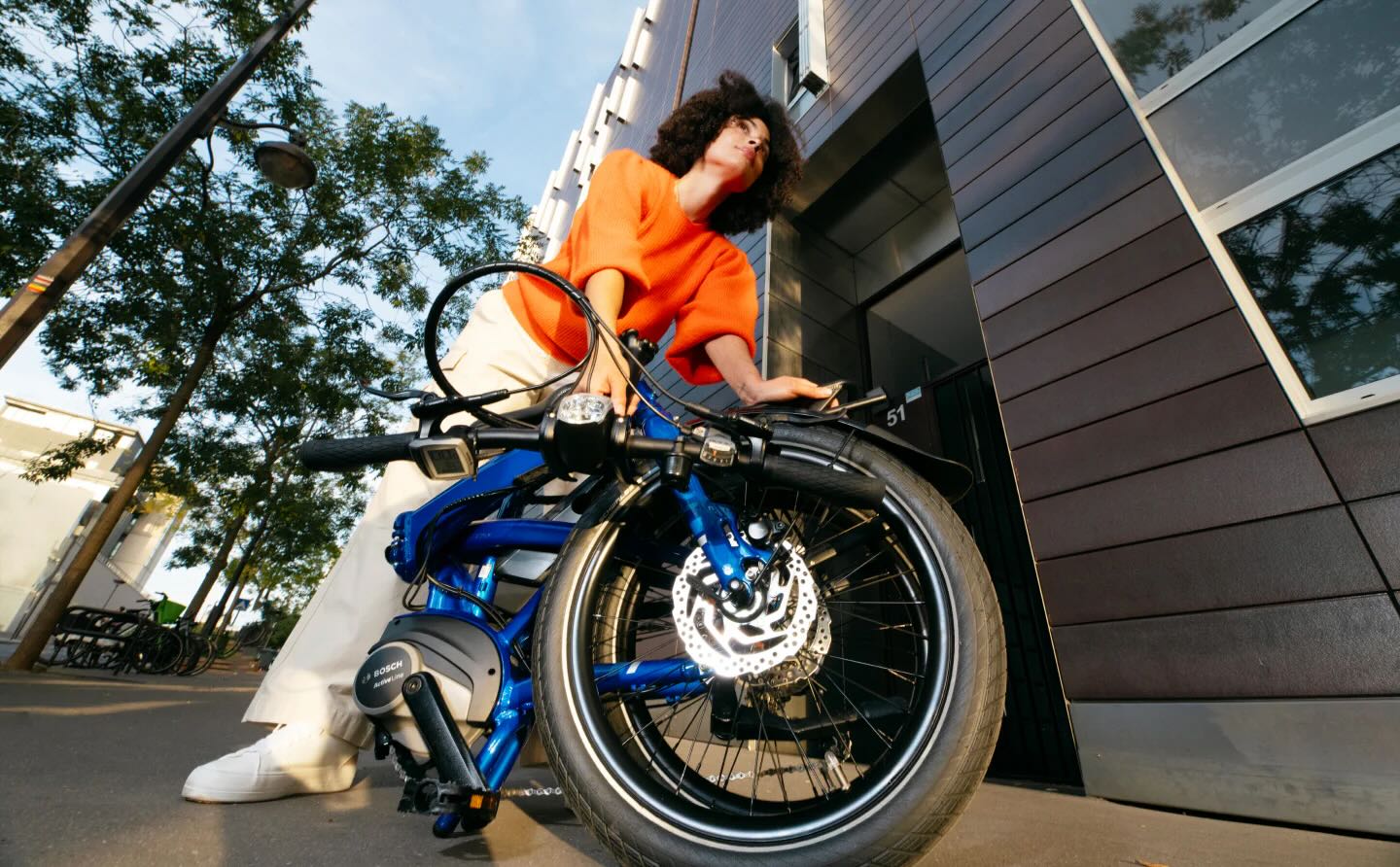
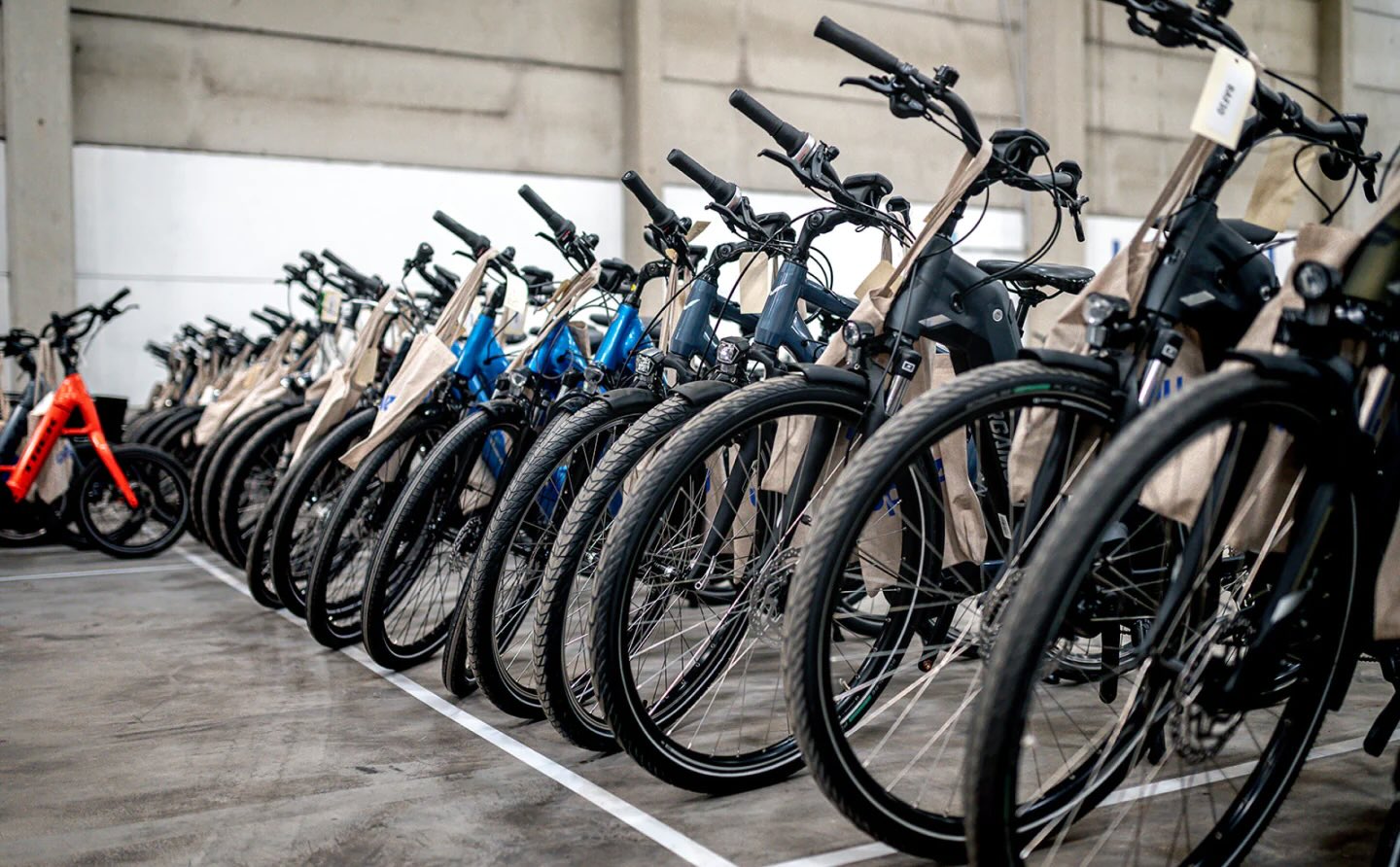
TCD Picks » Upway Spotlight
💡Upway makes it easy to find discounts of up to 60% on premium e-bike brands
|
Do you trust self-driving cars as much as you trust human drivers? Click your choice to see results and speak your mind. |
 No way 👎
 What's being done about the crash?
Law enforcement agencies are investigating the crash, and safety regulators have continued to monitor Tesla's driver-assistance programs following similar collisions.
Meanwhile, Tesla maintains that Autopilot is safer than human drivers when used correctly, though critics question the company's data methods and marketing claims.
For drivers, this serves as an important reminder: Automation isn't autonomy. Even the most advanced EVs still require human supervision.
When used responsibly, however, EVs remain a safer and cleaner choice, cutting air pollution and reducing fuel costs. If Tesla's recent problems discourage you, don't worry. There are plenty of other excellent EV options on the market.

Join our free newsletter for weekly updates on the latest innovations improving our lives and shaping our future, and don't miss this cool list of easy ways to help yourself while helping the planet.
Cool Picks





