


A "super El Niño" is an unusually intense form of El Niño, the climate pattern that begins in the tropical Pacific and can alter weather worldwide.
Scientists are watching this year's El Niño season closely because a new event could help push global temperatures to fresh records. But there's another troubling reason why scientists are keeping a close eye on things.
Findings from a 2024 study published in the journal Science suggest that extreme El Niño conditions may have contributed to the Permian-Triassic extinction — the "Great Dying" that nearly wiped out life on Earth about 252 million years ago, LADbible reported.
Why is this important?
El Niño develops when sea surface temperatures in the eastern tropical Pacific rise above normal, disrupting wind and rainfall patterns around the world. Scientists typically classify conditions as El Niño when those waters are at least 0.5 Celsius (0.9 Fahrenheit) warmer than the long-term average.
According to the study, polluting gas-driven warming may have amplified El Niño-like climate swings, creating conditions so hot and unstable that many species could not adapt quickly enough. By studying fossilized teeth from tiny marine organisms, researchers found evidence that ancient oceans became dangerously warm across large regions.
Modern El Niño events show how damaging such shifts can still be. According to the Guardian, a 1997-1998 event was linked to about 23,000 deaths and more than $37.5 billion in global damage tied to flooding, cyclones, droughts, and wildfires. Another event in 2015 helped fuel a record hurricane season and contributed to a "500-year drought" in the Caribbean.
TCD Picks » Quince Spotlight
💡These best-sellers from Quince deliver affordable, sustainable luxury for all




What did scientists find about the Great Dying?
Scientists have long identified massive volcanic eruptions in what is now Siberia as the main trigger of the Permian-Triassic extinction. The new study adds another piece to that picture: those eruptions likely released polluting gases into the atmosphere, warming the planet and intensifying extreme, long-lasting El Niño conditions.
Researchers say warming alone does not fully explain why the die-off was so severe, since species can sometimes move toward cooler areas. But when rising temperatures are combined with major swings in weather and ocean conditions, much of the planet can become hostile at the same time.
That appears to be what happened during Earth's deadliest mass extinction — and it helps explain why scientists are watching modern El Niño events so carefully.
How could a super El Niño affect people today?
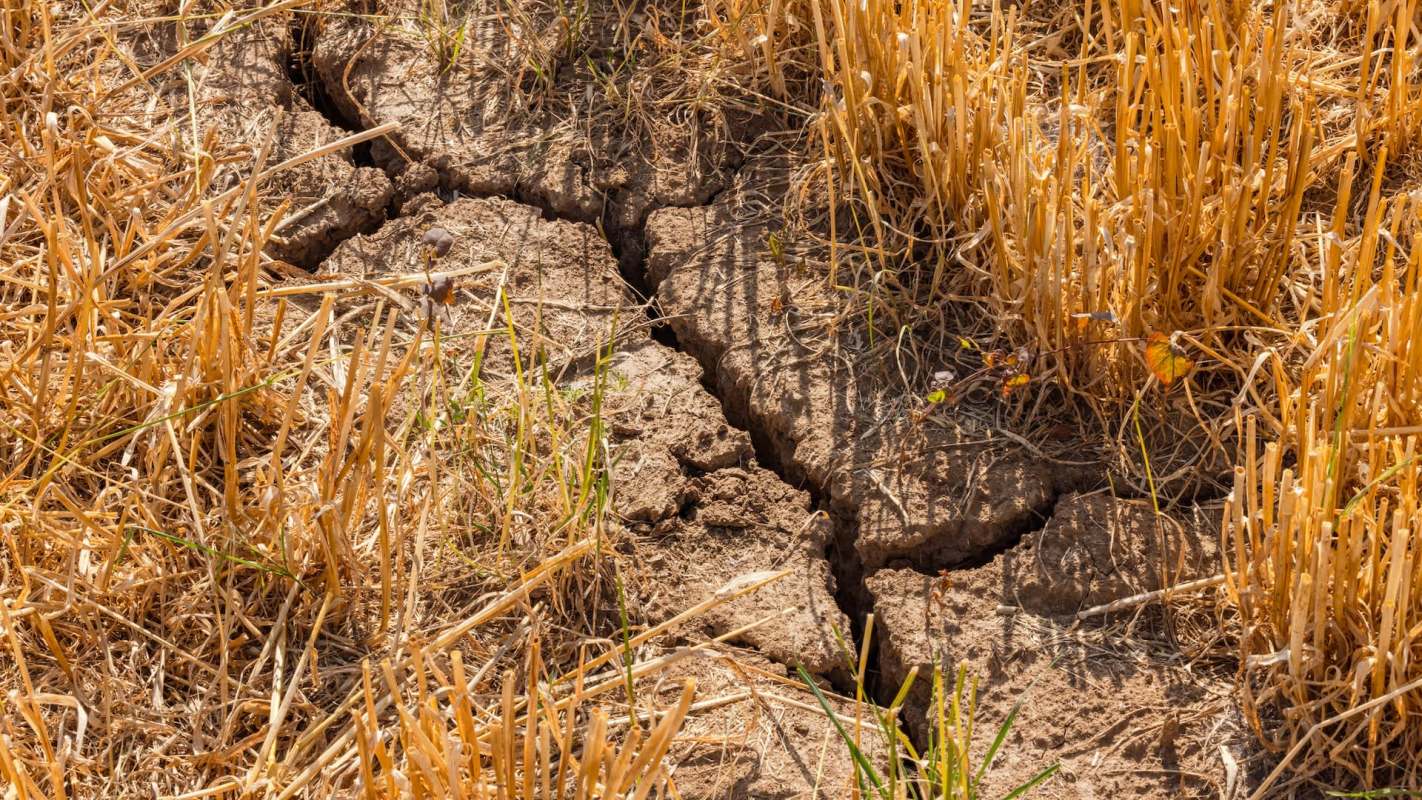
A strong El Niño can reshape rainfall, storm tracks, and temperatures far beyond the Pacific. That can bring heavier flooding to some regions, while increasing drought and wildfire risk in others. It can also put extra pressure on food systems, water supplies, and public health.
In places beyond the Pacific, like in the U.K., impacts may arrive later than in more heavily affected regions, but can still include hotter summers and colder winters.
More broadly, if a developing El Niño overlaps with long-term human-caused warming, it could help make a future year the hottest ever recorded.

Get TCD's free newsletters for easy tips, smart advice, and a chance to earn $5,000 toward home upgrades. To see more stories like this one, change your Google preferences here.






