


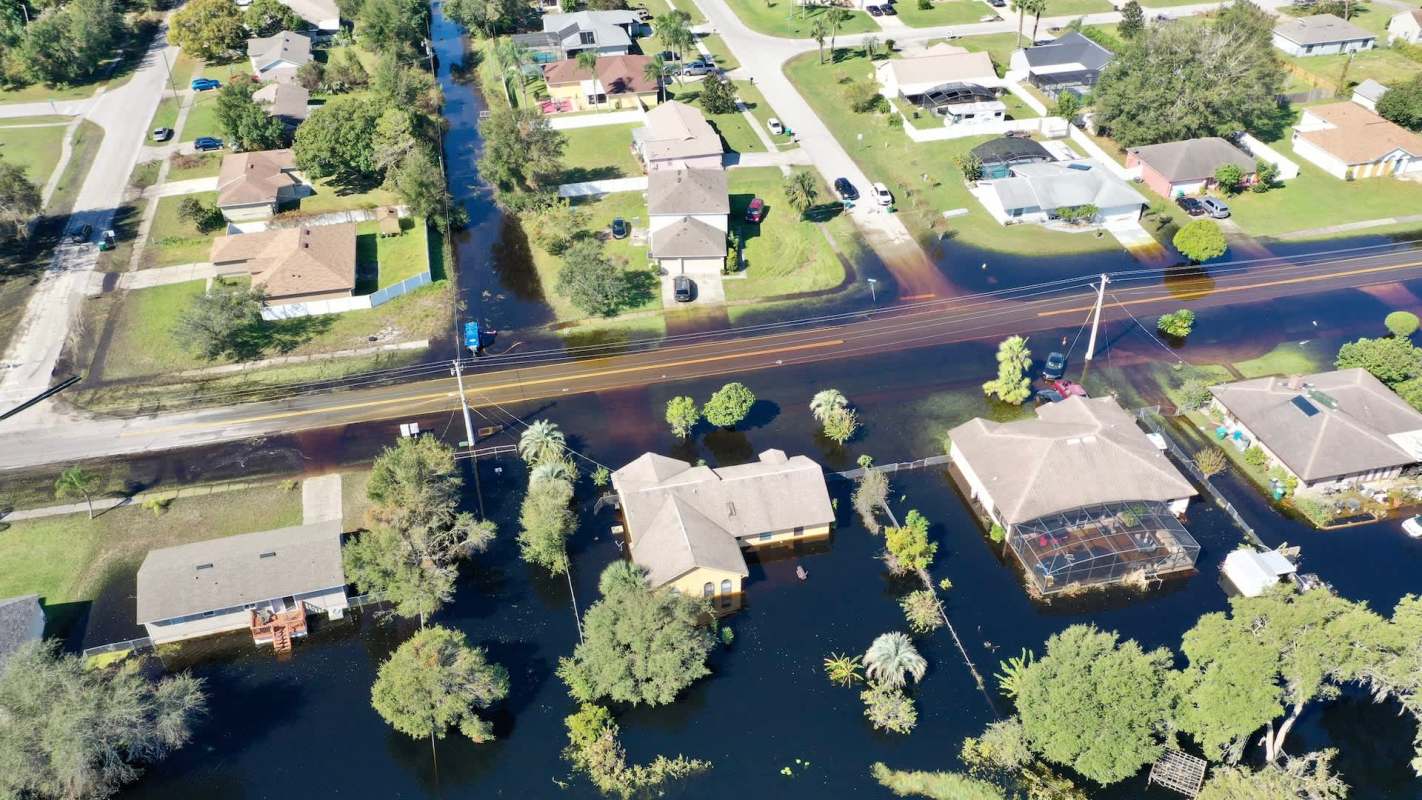
A potentially extreme El Niño could put insurers in a tough spot, with forecasters warning it could raise the odds of costly weather disasters.
What's happening?
According to Bloomberg, scientists are growing increasingly concerned that a strong El Niño could develop later this year, though there is still debate over whether it will be moderate, strong, or a rare "super" El Niño.
That forecasting uncertainty is creating a challenge for insurers who need to price risk. As Descartes Underwriting co-founder Sebastien Piguet told Bloomberg, companies cannot simply assume the worst-case scenario, or they risk pricing themselves out of the market. However, overlooking warning signs could also leave them dangerously exposed.
"The fact that the conditions might be unprecedented makes this work harder," he said.
El Niño measurements have typically been made by comparing Pacific Ocean temperatures with older historical records. However, with oceans getting warmer, El Niño predictions are becoming much more difficult.
That is one reason Australia and New Zealand updated their tracking methods last year, and the United States followed in February with a newer "relative Niño index" designed to account for long-term warming, according to Bloomberg.
Why is an extreme El Niño concerning?
If insurers expect more claims tied to drought, wildfire, crop damage, flooding, or heat-related impacts, those costs can ripple outward through higher premiums for homeowners, farmers, and businesses. Insurers may also drop coverage for certain risk-prone areas altogether.
TCD Picks » Quince Spotlight
💡These best-sellers from Quince deliver affordable, sustainable luxury for all




Worsening extreme weather disasters also threaten lives and livelihoods in more direct ways. For example, dangerous heat can lead to higher hospitalization, especially among older adults and outdoor workers.
Meanwhile, drought can devastate crops and livestock, hurting farm income while driving up food prices. Flooding can destroy homes, contaminate drinking water, and disrupt roads and other essential services.
When these events stack up, communities become less safe and local economies become more fragile.
The broader issue is that rising global temperatures are making older weather patterns less dependable. That makes it harder for insurers, governments, utilities, and farmers to prepare for what may be coming.
It also means people may need to rethink how they understand risk. A season that brings less rain in one area could still produce sudden, destructive flooding.
What's being done about El Niño risk?
One positive sign is that weather agencies and risk analysts are updating the tools they rely on. Australia, New Zealand, and the U.S. have all moved toward newer methods that better reflect today's warmer oceans, according to Bloomberg.
That kind of adaptation could help insurers price risk more accurately while giving governments, utilities, and farmers a better chance to prepare for drought, heat, or flooding before conditions worsen.
For everyday people, preparation matters. Reviewing insurance coverage before peak disaster season, understanding flood and wildfire exclusions, and putting together a household emergency plan can all help reduce financial and safety risks.
Communities can also advocate for stronger water planning, better flood defenses, heat safety programs, and more resilient infrastructure.

Get TCD's free newsletters for easy tips, smart advice, and a chance to earn $5,000 toward home upgrades. To see more stories like this one, change your Google preferences here.







