


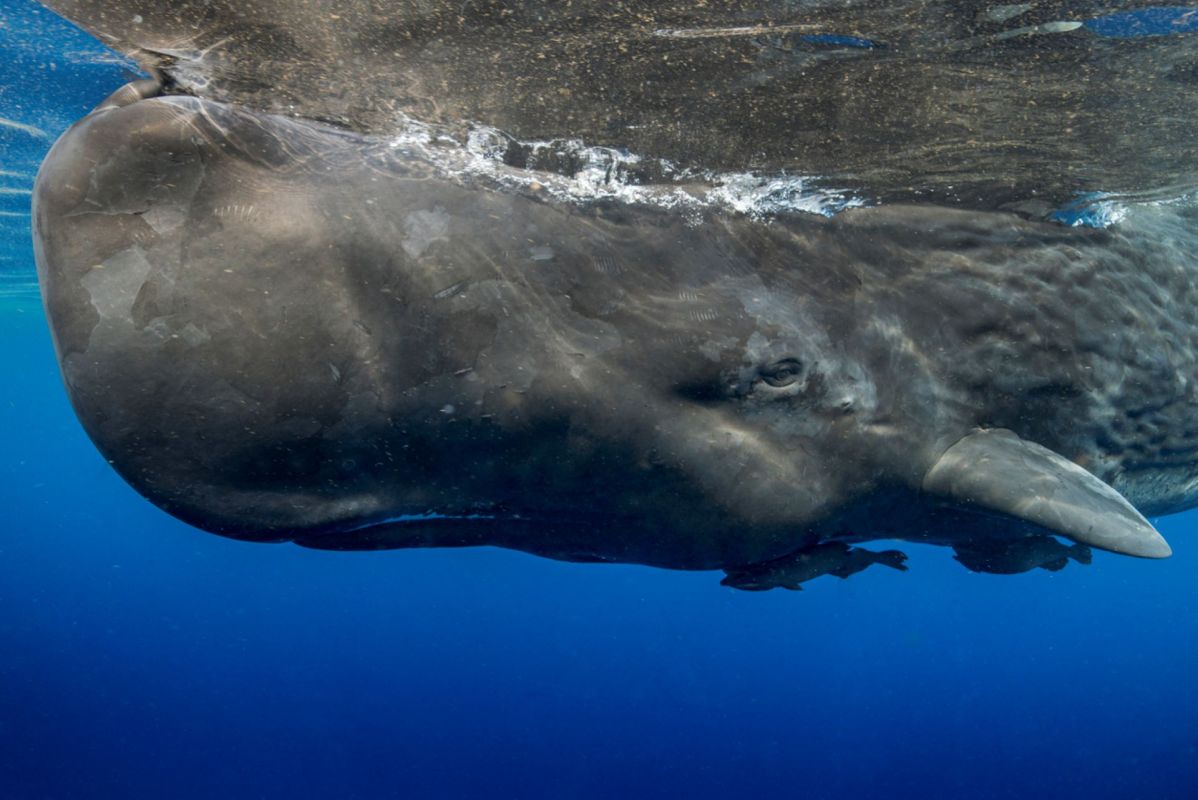
Whales and other marine animals are being killed by excessive plastic pollution in Earth's oceans, and one death last year made headlines for all the wrong reasons.
What happened?
A 56-foot sperm whale died after ingesting discarded fishing gear — the first known instance of that happening off Hawaii, the Associated Press reported. The 120,000-pound mammal's stomach contained six hagfish traps, seven types of fishing nets, two types of plastic bags, a light protector, fishing line, and a float from a net. It died in January.
The trash in the whale's intestinal opening likely blocked its ability to digest food, according to Kristi West, director of the University of Hawaii's Health and Stranding Lab.
"The presence of undigested fish and squid lends further evidence of a blockage," West stated in a news release from the Hawaii Department of Land and Natural Resources.
Sperm whales are found all over the world and are the largest toothed whales. They became an endangered species in 1970. When searching for food, their underwater dives can last longer than 60 minutes and surpass 10,000 feet of depth.
Why is this concerning?
Distressing and disheartening stories of animals dying after consuming plastic are all too common. A bear in Colorado was euthanized in September after suffering from plastic toxicity for months. Animals such as deer and crocodiles have been found dead under similar circumstances in Southeast Asia.
"The problem is that most of these animals die with nobody knowing," National Geographic explorer-in-residence and marine ecologist Enric Sala told NPR in 2018.
Much of the world's plastic pollution ends up in the ocean, and a disproportionate amount washes ashore in Hawaii. Earth.org reported in 2022 that of the 300 million tons of plastic waste produced each year, 11 million tons reaches those waters. During a 24-day cleaning project in 2021, nearly two tons of plastic was removed from the Aloha State's shorelines every day.
What can I do to help?
Since recycling is not working out — only 9% of plastic waste is recycled — reducing plastic consumption is the best way for consumers to take action.
Items such as metal razors, reusable water bottles, and non-plastic sandwich bags can save you thousands of dollars per year and reduce your environmental impact. Companies nowadays even make plastic-free shampoo bars and dissolvable dishwasher and laundry pods.
TCD Picks » Quince Spotlight
💡These best-sellers from Quince deliver affordable, sustainable luxury for all





Join our free newsletter for weekly updates on the coolest innovations improving our lives and saving our planet.
Cool Picks





