


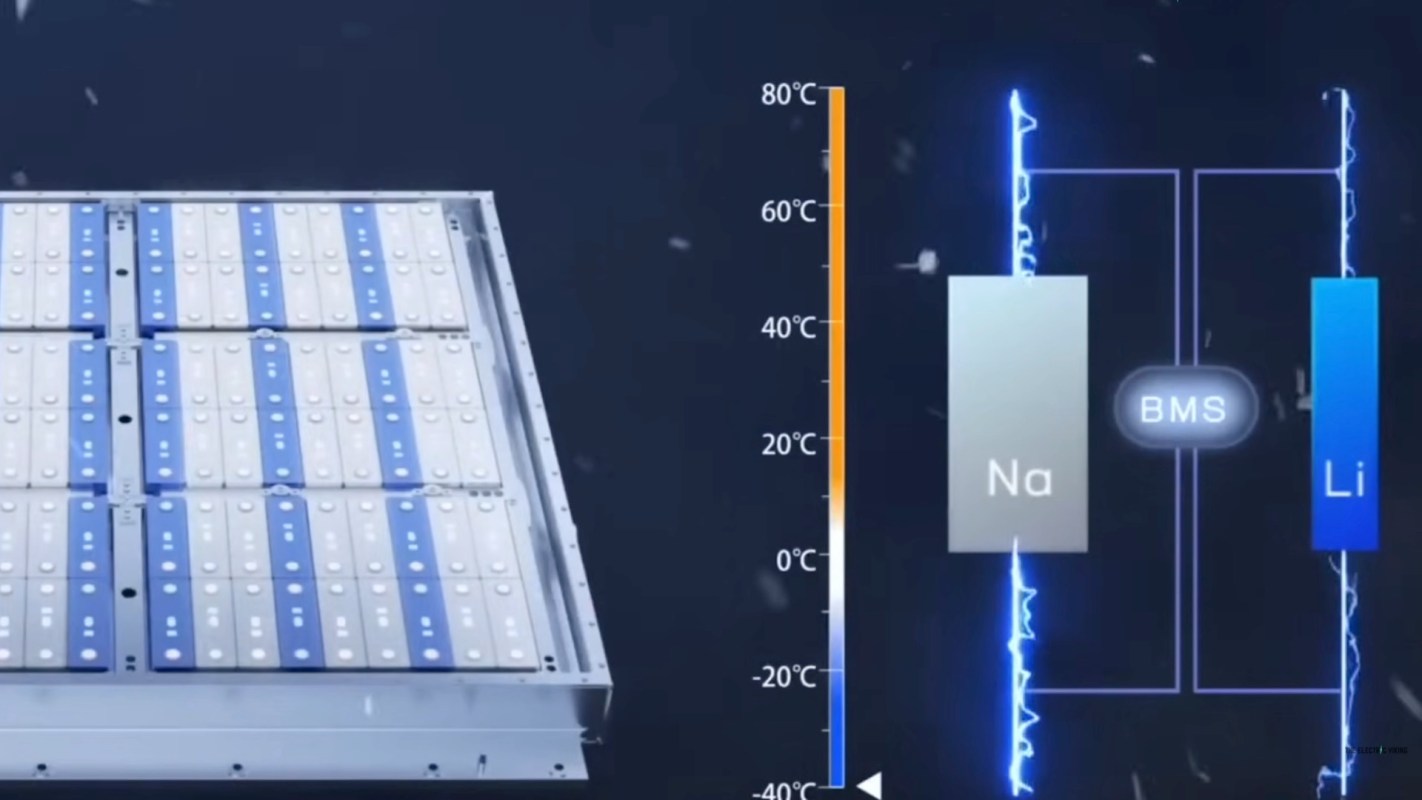
Reports from China suggest sodium-ion batteries are beginning to appear in mass-produced passenger EVs at cell costs roughly in line with the lowest-priced lithium packs. As creator The Electric Viking (@electricviking) argues in a new YouTube video, that could mark an important shift for affordable electric cars.
What happened?
As The Electric Viking describes, CATL and automaker Changan have moved sodium-ion cells into full mass production for passenger vehicles in China, a step many industry watchers have been waiting for.
First-quarter 2026 raw sodium-cell manufacturing costs were estimated at about 5.1 to 5.9 cents per watt-hour, per the creator. The Electric Viking put lithium iron phosphate, described in the video as the cheapest mainstream lithium chemistry, at about 5 cents per watt-hour.
He said the batteries have already completed validation and are now being produced on a manufacturing line. In Changan's entry-level vehicles, the packs were described as delivering about 79.4 watt-hours per pound (175 watt-hours per kilogram) with a target range of roughly 250 miles (400 kilometers).
The Electric Viking also highlighted claims about safety and cold-weather durability.
He asserted that sodium cells do not enter thermal runaway until temperatures exceed 392 degrees Fahrenheit (200 Celsius), continue operating at minus 40 degrees Fahrenheit (minus 40 Celsius), and retain more than 90% capacity at minus 4 degrees Fahrenheit (minus 20 Celsius).
TCD Picks » Quince Spotlight
💡These best-sellers from Quince deliver affordable, sustainable luxury for all




Why does it matter?
A cheaper battery chemistry would address one of the most persistent objections to EV adoption: battery cost. If sodium-ion matches lithium on price and then undercuts it, it could bring down the cost floor for small EVs and delivery vehicles.
Because sodium is much more abundant than lithium, batteries based on it could ease supply-chain pressure and ensure that production is less exposed to price spikes, geopolitical problems, or shortages of more difficult-to-source materials.
Lower-cost batteries can also help utilities, cities, apartment complexes, and businesses add backup storage more affordably, which can make communities more resilient during blackouts, winter storms, and other extreme weather events.
"It's a win for the consumers if the price goes down in the foreseeable future," one YouTube commenter wrote.
"Grid storage and home storage will benefit hugely from this… nice," another said.
What's being done?
The Electric Viking said China currently has more than 42 sodium expansion projects in progress, even as factory utilization remains below 40%, which he characterized as evidence that capacity is ahead of demand for now.
He added that sodium-ion appears particularly suited to lower-priced uses, such as compact city cars and grid storage.
The creator said lithium still accounts for most battery shipments worldwide, meaning sodium's near-term role may be to broaden the mix of available options for buyers and industry rather than displace every other chemistry immediately.
"The forecast is blunt: sodium takes complete cost dominance over lithium by [the] end of 2027," The Electric Viking concluded.

Get TCD's free newsletters for easy tips, smart advice, and a chance to earn $5,000 toward home upgrades. To see more stories like this one, change your Google preferences here.






