


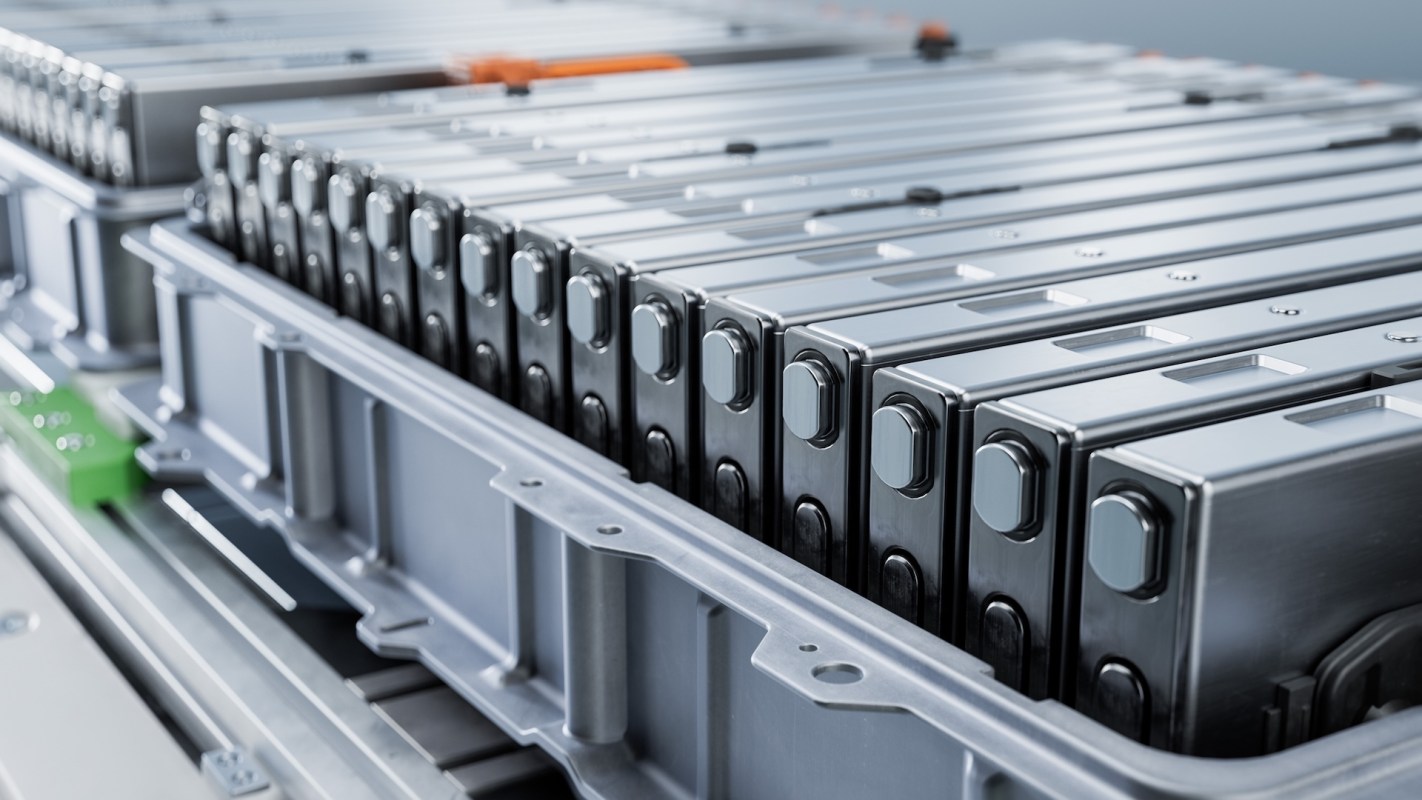
A Chinese-made sodium-ion battery is drawing attention because testing suggests the technology may be more mature than expected: researchers reported performance and manufacturing quality broadly comparable to Tesla's lithium-ion cells, a finding that could signal lower-cost batteries for electric vehicles and backup power.
What happened?
In a study published in Cell Reports Physical Science and cited by Science Daily, a team in Germany examined 120 sodium-ion cells from Chinese manufacturer Hina. Their results suggest sodium-ion batteries may be moving toward a credible, lower-cost role in future EVs and large-scale energy storage.
Their evaluation covered several methods. After using impedance spectroscopy to assess how consistent the cells were, the researchers tested them in temperatures from minus 4 degrees to 113 degrees Fahrenheit. They also used X-rays and internal analysis to study the batteries' structure, materials, and microscopic characteristics.
The internal design was another unexpected finding. The team identified a tabless, double-aluminum current-collector arrangement that can reduce resistance and distribute heat more evenly — a setup they said is similar to the one Tesla uses.
Moritz Schütte, a battery researcher at RWTH Aachen University in Germany, said, "We were positively surprised by how uniform the cells are."
Why does it matter?
Because sodium is much more abundant than lithium, it could give battery makers a way to cut costs and reduce supply chain strain. That could make shorter-range EVs, commercial vehicles, and home or community battery systems less expensive.
TCD Picks » Quince Spotlight
💡These best-sellers from Quince deliver affordable, sustainable luxury for all




Grid-related applications may also be a strong match, since stationary storage depends less on maximum driving range than on affordable, dependable performance.
Schütte said, "The combination of good uniformity, high power capability, and strong low-temperature performance makes these cells attractive for stationary storage, grid services, and shorter-range or commercial vehicles where potential lower cost and resource availability matter more than maximum driving range."
The technology still has limitations. The researchers said low-temperature charging remains a clear weakness, and current sodium-ion batteries generally do not reach the energy density of leading lithium-ion cells. They also found unusual copper concentrations in parts of the cathode, which could affect performance and aging.
What are people saying?
Schütte said the battery's power performance exceeded expectations for such an early commercial product: "The high-power performance was better than one might expect from an early commercial sodium-ion product."
At the same time, he cautioned that "for applications that require frequent charging at low ambient temperatures, appropriate thermal management or operating strategies will be important because low-temperature charging remains a clear weakness."
Schütte expressed optimism about what could come next, saying, "Advances in hard-carbon anodes and electrolyte formulations may be especially promising."
If those improvements arrive, sodium-ion batteries could become a practical, lower-cost option for cleaner transportation and more resilient energy systems.

Get TCD's free newsletters for easy tips, smart advice, and a chance to earn $5,000 toward home upgrades. To see more stories like this one, change your Google preferences here.






