


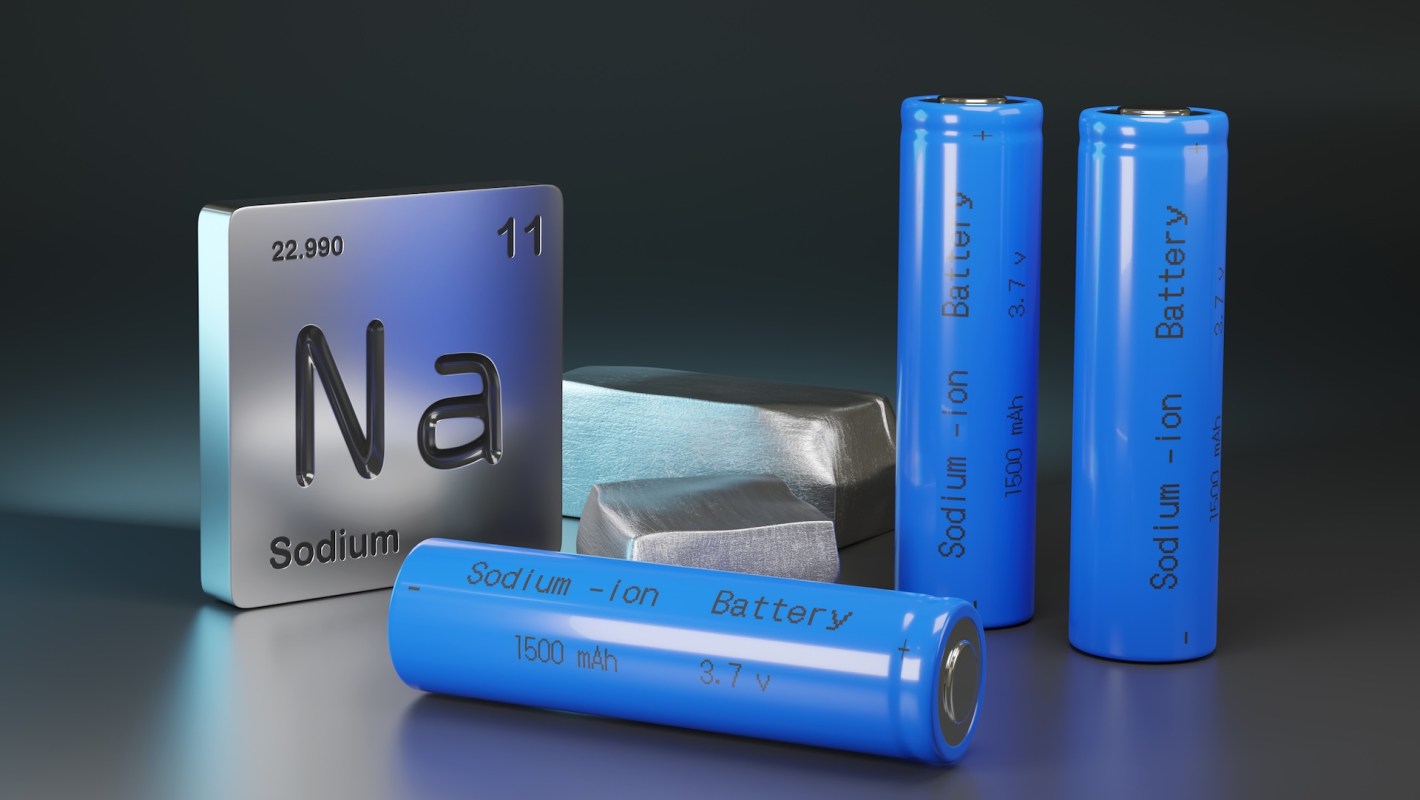
A radical sodium-ion breakthrough in battery technology could change everything for the EV, solar, and general storage markets, while also holding the key to dampening tense geopolitical issues.
The new battery study is drawing attention by pointing to a future in which electric vehicles and home energy storage systems are not dependent on lithium alone.
Commercial sodium-ion cells were shown to charge in about 15 minutes, continue operating in severe cold, and potentially offer a lower-cost alternative.
The research was conducted at RWTH Aachen University using 120 commercially made sodium-ion cells from Chinese battery maker HiNa.
What happened?
For years, sodium-ion batteries were often seen as a backup option rather than a serious alternative to lithium-ion technology.
The new study examined commercially produced cells using methods including impedance spectroscopy, temperature trials, X-ray imaging, and teardown work, according to a Natural News article.
TCD Picks » Quince Spotlight
💡These best-sellers from Quince deliver affordable, sustainable luxury for all




Across the 120 cells, internal resistance differed by only 5.3%, a level of uniformity that suggests production quality may be approaching what battery pack manufacturers need.
The researchers also said the batteries maintained full capacity even when charged at a rate comparable to a 15-minute top-up.
Why does it matter?
Sodium-ion batteries could mean less time spent charging and better performance in winter. During testing, the cells delivered more than 80% of their usable energy at minus 4 degrees Fahrenheit after being charged at room temperature.
Because sodium is abundant and widely available, it could also cut costs, reduce pressure on lithium supply chains, and make entry-level EVs, delivery vans, and grid batteries more affordable.
Lithium mining is damaging to the environment and causes geopolitical tensions and conflicts, whereas sodium-ion is readily available anywhere there is seawater or underground salt, offering governments sovereignty over their battery supply chain.
Sodium-ion storage could also become a useful way to store solar energy and improve resilience during blackouts or severe weather.
Although for EV implementation, range remains part of the conversation. The International Energy Agency said a sodium-ion SUV might offer about 215 miles, versus around 250 to 370 miles for many lithium-ion models. For the competitive consumer market, that is no small issue, unless the price tag can make up for it.
For basic commuting, local fleets, and backup power, the fast charging, lower cost, and improved safety of sodium-ion still matter quite a bit.
What are people saying?
Gao said, "the era of sodium and lithium shining together has arrived." Manufacturers may view the technology as a complement to lithium rather than as a niche experiment.
Taken together, the 5.3% variation across 120 commercial cells, the cold-weather output, and the rapid-charging results suggest that sodium-ion technology is getting closer to real-world use.
CATL says it is targeting large-scale sodium-ion production for late 2026.

Get TCD's free newsletters for easy tips, smart advice, and a chance to earn $5,000 toward home upgrades. To see more stories like this one, change your Google preferences here.






