


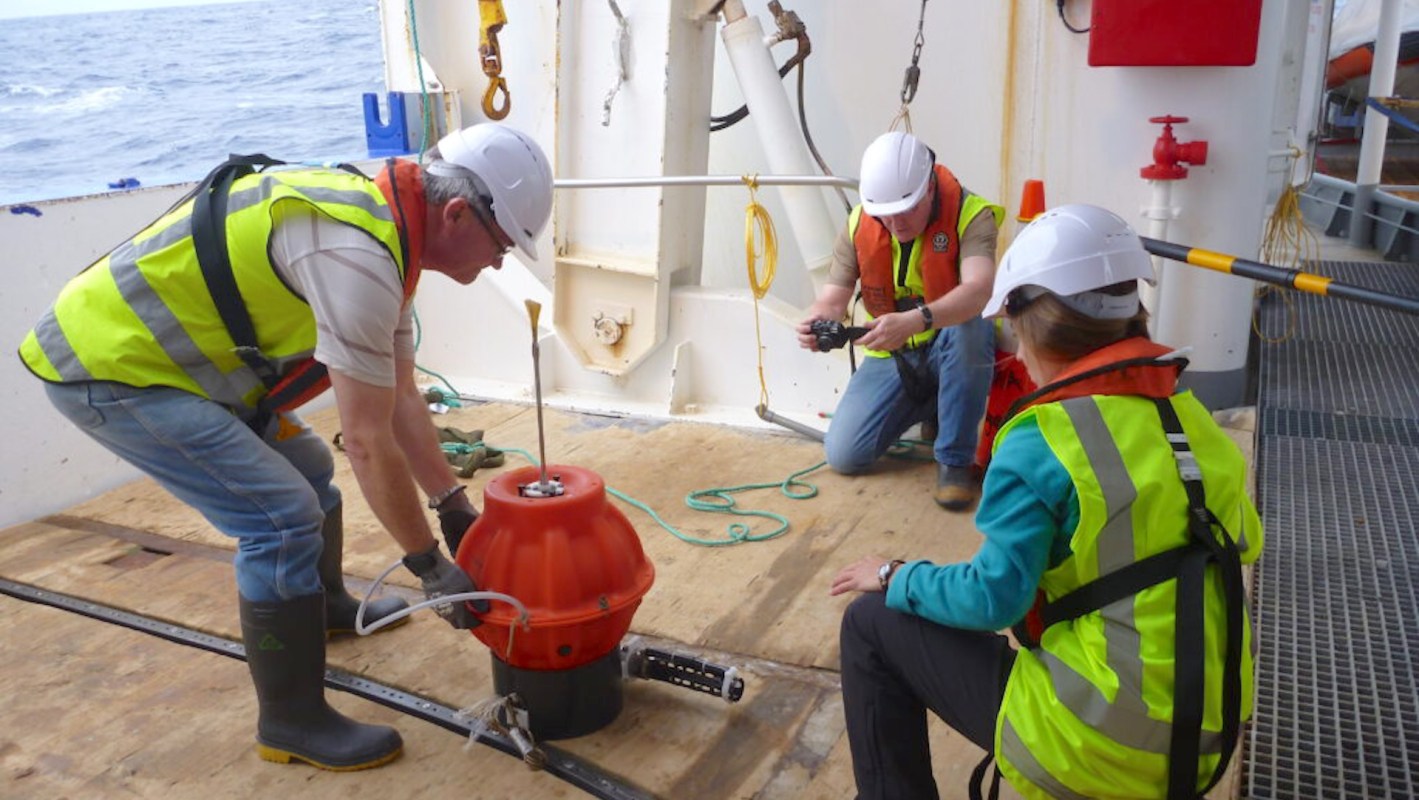
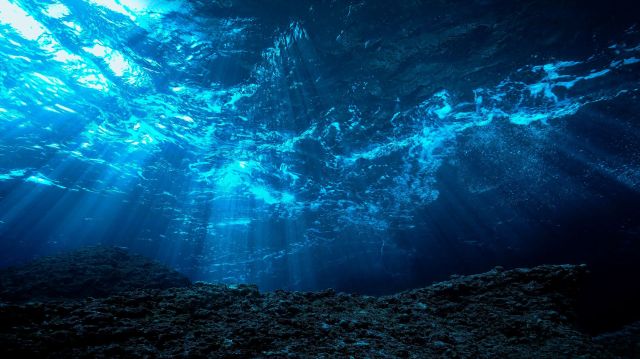
Whether it be at the depths of a vast ocean or at the bottom of a river, the underwater world largely remains a mystery to us. But as robotics technology advances, robots are helping us better understand parts of that world we might otherwise not know much about. Here are some of those robots.
1. Solving the mystery of declining sea ice
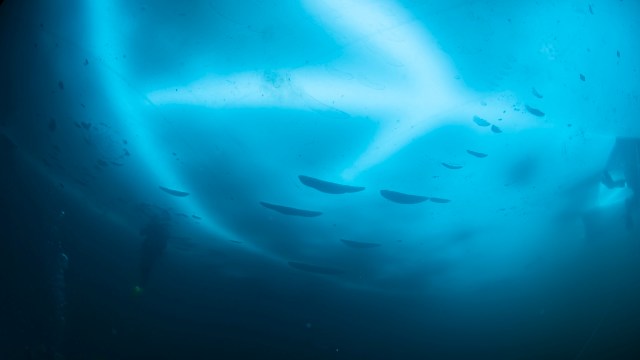
In 2016, Antarctic sea ice began to decrease after decades of expansion despite the planet warming. To find out why, scientists turned to a fleet of human-sized, torpedo-shaped robots called Argo floats. They dive thousands of feet below the surface and measure salinity and temperature, and transmit the data via satellite.
The findings have helped scientists understand why sea ice suddenly began to decline, which will help them better predict sea-level rise, weather patterns, and the effects on coastal communities.
2. An environment not fit for humans
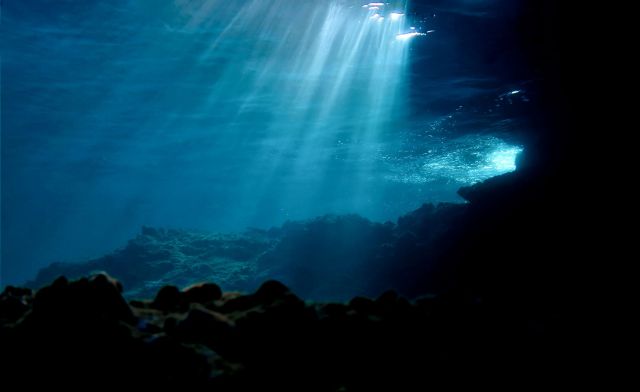
Nearly three miles below the ocean's surface in a lightless habitat with smoking chimneys and water reaching over 750 degrees Fahrenheit might sound like a barren underwater wasteland. But, using a remotely operated deep-sea robot, scientists discovered a thriving ecosystem in that extreme environment.
Exploring the Cayman Trough in the Caribbean Sea, researchers discovered the Beebe Vent Field, where seawater meets magma beneath the seafloor, then carries minerals and gases as it rises. Shockingly, this environment is home to a diverse array of organisms living around the vents.
TCD Picks » Quince Spotlight
💡These best-sellers from Quince deliver affordable, sustainable luxury for all




3. Inspired by octopi
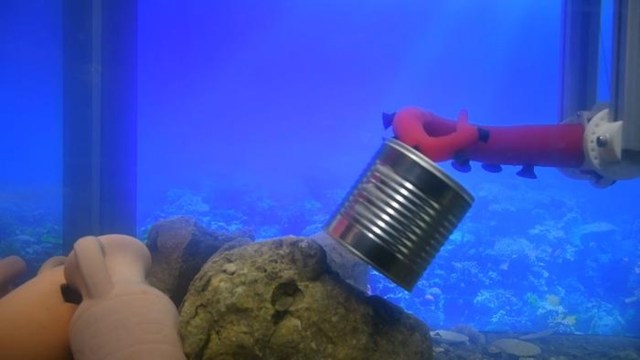
Researchers in Italy have created a robot arm modeled after that of an octopus. An octopus will grab something with one of its arms without receiving a command from its central brain. The robot arm does the same. In tests, the robot arm registered touch and reacted, individually grabbing a fake sea star, a narrow rod, and a glass bottle.
A robot with the ability to be flexible and lightly grab could prove useful in underwater work like collecting fragile organisms or reaching into tight spaces where rigid machines won't work.
4. A nearly intact shipwreck
Archaeologists used a deep-sea robot to explore an 18th-century shipwreck nearly 2,000 feet underwater off the coast of Norway in the Skagerrak Strait, and what it found was incredible. It found stacks of unbroken Chinese porcelain plates, as well as glassware, chandeliers, and sealed crates.
Besides retrieving these rare and valuable items, the find gives a glimpse into 18th-century trade and trade routes, and how connected the world already was.
5. Tracking invasive species
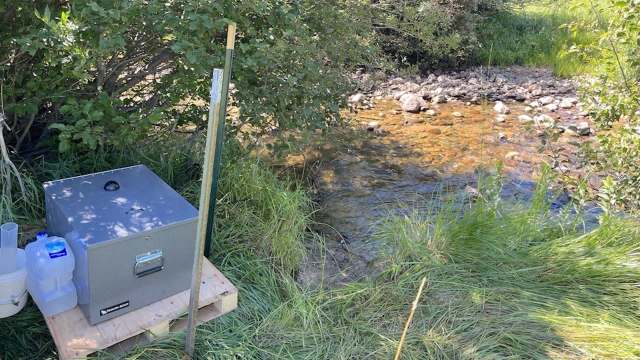
Invasive species disrupt the natural balance of ecosystems by outcompeting native plants and animals, potentially wreaking havoc on the local environment. But, in some habitats like the Colorado River, it can be hard to track and remove invasive species like smallmouth bass. That's where the eDNA autosampler comes in. The eDNA autosampler autonomously examines water samples and detects traces of invasive species DNA, making it easier for biologists to track the movements of invasive species.

Get TCD's free newsletters for easy tips, smart advice, and a chance to earn $5,000 toward home upgrades. To see more stories like this one, change your Google preferences here.






