


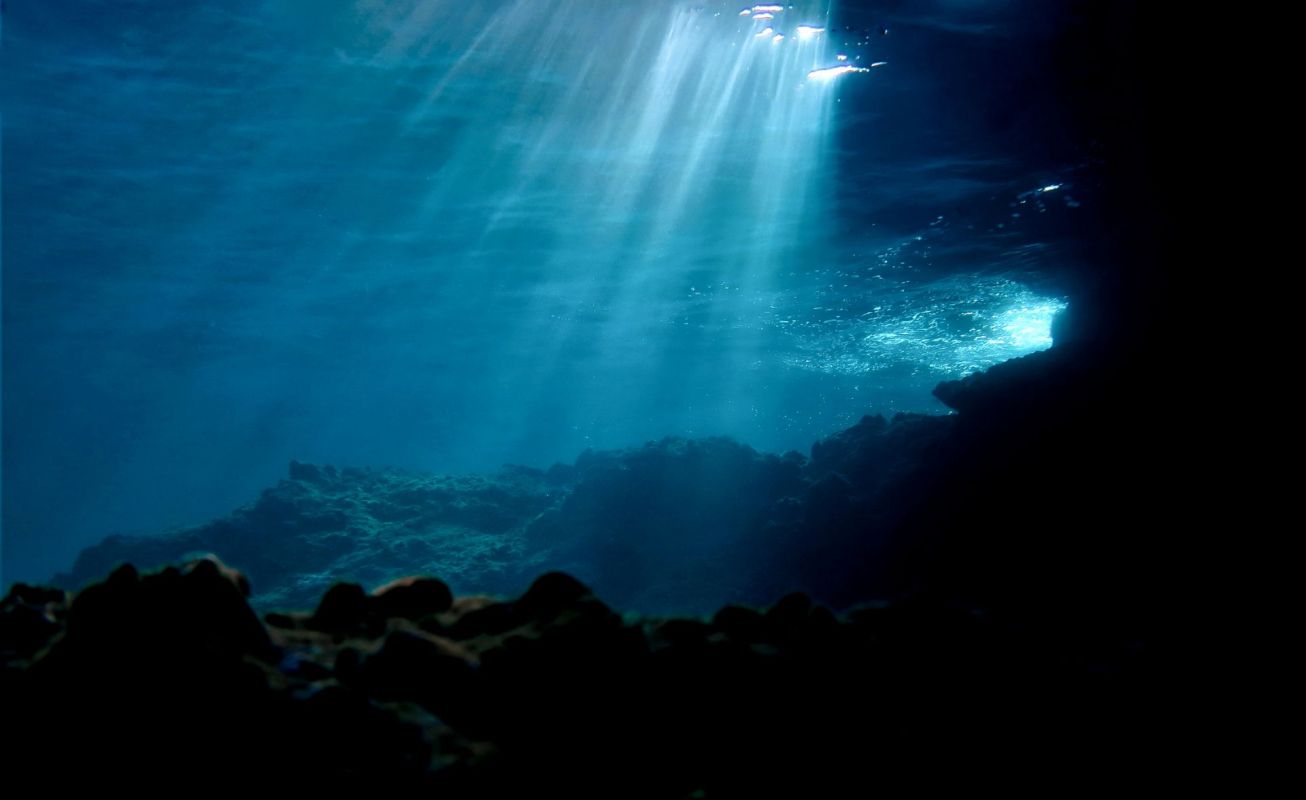
A deep-sea robot helped reveal one of Earth's most extreme neighborhoods: a lightless habitat nearly 3 miles underwater where fluids can reach around 754 degrees Fahrenheit and life still finds a way.
The discovery offered a striking look at how ecosystems can thrive in conditions that seem completely unlivable.
Researchers exploring the Cayman Trough in the Caribbean Sea used a remotely operated vehicle to investigate a trench near the Cayman Islands and discovered the Beebe Vent Field, according to BBC Wildlife.
The site lies around 16,300 feet below the ocean's surface. There, seawater meets magma beneath the seafloor, heats intensely, and rises again, carrying minerals and gases.
Even at temperatures above 750 degrees Fahrenheit, the water does not boil because of the enormous pressure at that depth.
The Beebe Vent Field is made up of black smoker vents, which resemble underwater factory chimneys releasing dark plumes. According to the London Natural History Museum, as cited by BBC Wildlife, black smokers are hotter than white smokers and look dark because their fluids are rich in iron sulfides.
TCD Picks » Quince Spotlight
💡These best-sellers from Quince deliver affordable, sustainable luxury for all




Despite the hostile setting, the robot documented a surprising community of organisms, including eelpouts, anemones, squat lobsters, and shrimp clustered around the vents.
Findings like this show how adaptable life can be, even in places with no sunlight, crushing pressure, and intense heat. That matters because these ecosystems challenge assumptions about where organisms can survive and how food webs can function in extreme environments.
Unlike most ecosystems on Earth, this one does not depend on sunlight. Instead, bacteria turn vent chemicals into food through chemosynthesis, and that energy then passes to larger nearby animals through the food chain.
The discovery also highlights how life can exist in narrow "just right" zones even inside dangerous environments. Water pouring directly from the vents is scorching, but, as BBC Wildlife notes, nearby areas cool quickly as vent fluids blend with seawater.
"While these fluids are hot, they tend to cool very quickly as they mix with seawater," said NHM researcher Maggie Georgieva.
That process creates pockets where animals can survive, helping scientists better understand the delicate balance that sustains biodiversity in some of the most remote places on the planet.
Deep-sea robots are making discoveries like this possible without sending humans into an environment that is difficult and expensive to reach. By mapping trenches and studying vent systems, researchers can better understand how these rare ecosystems work and what species depend on them.
Learning about these ecosystems can also deepen appreciation for the ocean's role in supporting life in unexpected ways.
Stories like this can encourage support for marine research, deep-sea mapping, and conservation efforts that protect ocean habitats before they are disturbed.

Get TCD's free newsletters for easy tips, smart advice, and a chance to earn $5,000 toward home upgrades. To see more stories like this one, change your Google preferences here.






