


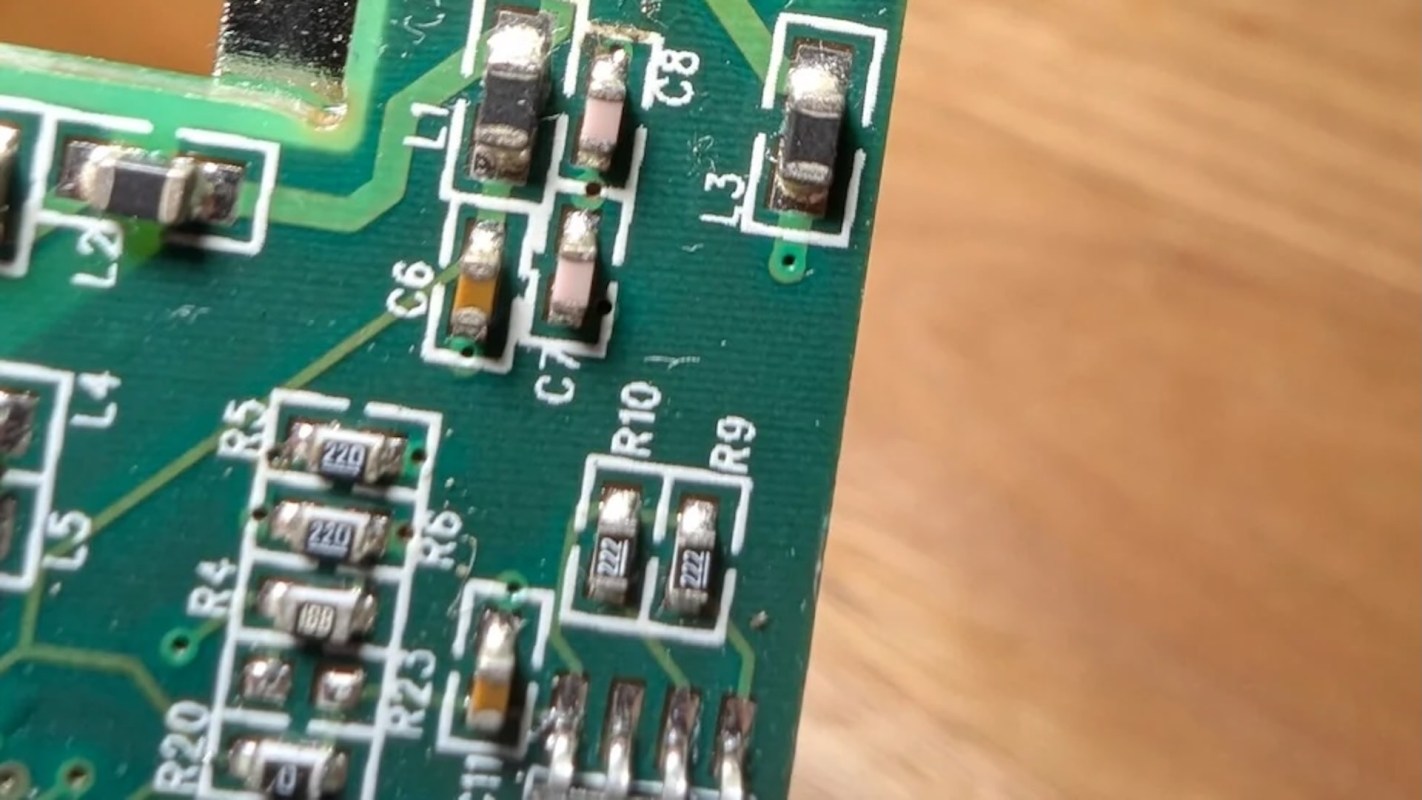
Embracing a DIY attitude can certainly save you some money, but the adage, "practice makes perfect," still applies. In this case, a desoldering mistake with a Blue Yeti mic sent a Redditor to the r/soldering subreddit for some much-needed advice.
"I certainly underestimated the difficulty of desoldering and underestimated my ability," the OP said, referencing the botched job and calling it "e-waste." Fortunately, the advice wasn't just conciliatory, but also hopeful that all was not lost.
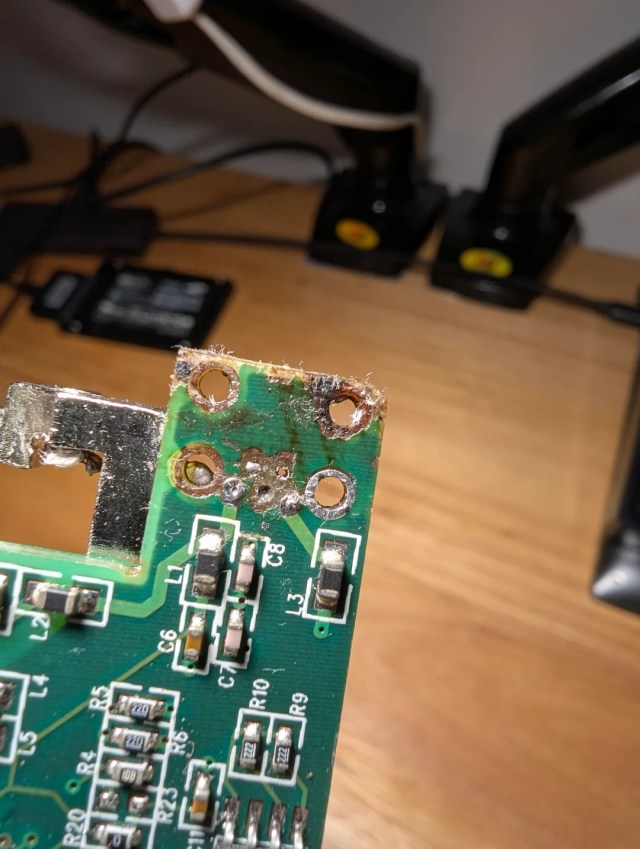
The majority of suggestions were positive that the board could be saved, mostly because the OP only damaged the portion dedicated to power, not data.
While there's still some work to be done, expertise comes with experience, and the OP is getting plenty of the latter, along with some positive advice and instruction from respondents. More importantly, this Blue Yeti device won't end up as e-waste, as the post suggested.
According to U.S. Public Interest Research Groups, 6.9 million tons of e-waste are generated in the U.S. each year, and 81.6 million tons globally. Worse still, it's the fastest-growing waste stream, with no signs of abating.
It's not as if people are tossing their old iPhones in the garbage after upgrading, but those phones aren't exactly simple to recycle either. As a result, e-waste accounts for the vast majority of heavy metals in landfills. Blue Knife Recycling pegs it at two-thirds.
When 2% of the total waste stream accounts for ⅔ of the heavy metals, there's a significant problem. These heavy metals contribute to water pollution from runoff, soil contamination, air pollution via burning, and ecosystem disruption.
As technology continues to advance at mind-numbing rates, devices become obsolete faster and are tossed out earlier than other forms of waste.
Lithium battery production is labor-intensive with high production costs. If recovery rates via recycling fail to meet demand, costs go up. After all, these critical resources are finite, and if there is no replacement, the industry draws on increasingly limited reserves.
DIY projects like this Reddit post avoid the pitfalls of purchasing new equipment and ditching the old, instead preserving and enhancing what's already on-hand, seeking advice when everything goes south, or possibly reselling it.
TCD Picks » Quince Spotlight
💡These best-sellers from Quince deliver affordable, sustainable luxury for all




It's doable, after all, as one response post put it: "If you know how to find traces and you can solder to them, you can fix it." It's better advice than a landfill.
|
What do you usually do with your old electronics? Click your choice to see results and speak your mind. |
 Store them at home 📦
Join our free newsletter for weekly updates on the latest innovations improving our lives and shaping our future, and don't miss this cool list of easy ways to help yourself while helping the planet.
Cool Picks





