


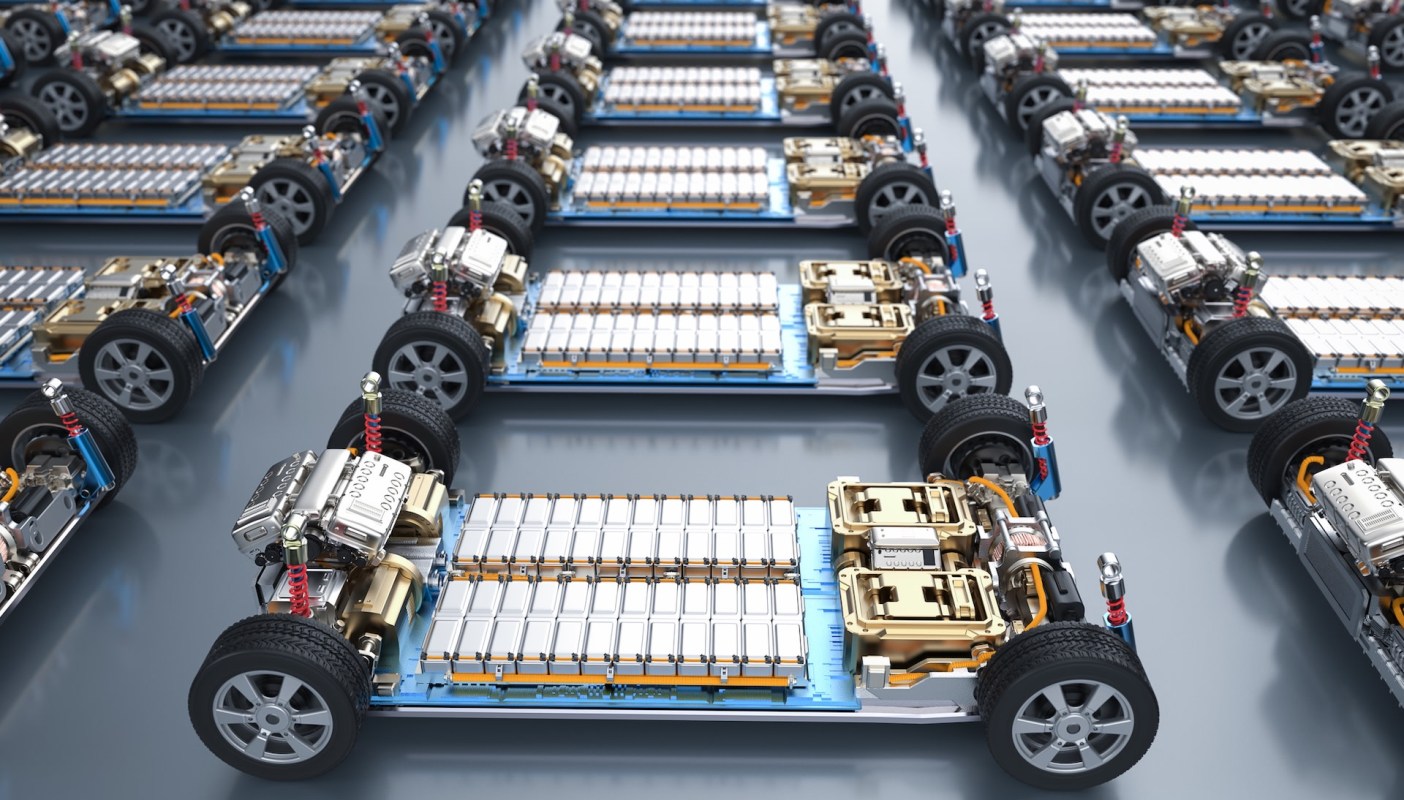
Electric vehicles aren't just helping save the environment one drive at a time — even their decommissioned batteries are now powering autonomous agricultural robots that run on clean energy.
Daedong Robotics, known for making automated lawnmowers, has launched the RT100 — a compact farm transport robot powered by recycled Tesla batteries, Notebookcheck reported. The RT100 offers a compelling example of how old EV batteries can be repurposed.
The company teamed up with battery repurposing firm Poen, which recovers usable cells from retired Tesla packs. They are reassembled into new battery modules and installed in compact agricultural robots.
RT100 robots follow farmers around their orchards, helping them carry loads up to 300 kilograms (660 pounds) at a cruising speed of 5 miles an hour, Daedong shared. Equipped with a four-by-four drivetrain, these worker bots are built to navigate rough farm terrain easily. Operators can even control the RT100 with voice commands using the dedicated Daedong app.
According to The Driven, Redwood Materials — a recycling company started by Tesla co-founder JB Straubel — says up to 95% of an EV battery's materials can be recovered for reuse. According to Straubel, metals like cobalt, lithium, and nickel can now be extracted from old EV batteries.
"Today, Redwood's recycling process is already profitable for smaller batteries, such as those found in consumer devices, and production scrap. As logistics becomes a smaller component of the overall value proposition, we anticipate a similar trend to happen for larger electric vehicle batteries in the coming years," the company said.
A 2023 article in Energy Reports noted that reusing metals like lithium and cobalt keeps toxic materials out of landfills, where they can leach into soil and water. It also means less pressure to mine for new resources — a process that often damages ecosystems and puts workers at risk. By giving EV batteries a second life, companies like Poen and Daedong are helping build a cleaner, more circular economy.
These kinds of innovations also hold promise for lowering the cost of energy storage systems and electric vehicles that already offer major benefits. EVs produce no harmful tailpipe pollution, helping to make the air cleaner and improve public health. They also save drivers money on fuel and maintenance over time.
As the EV market grows, solutions like the RT100 could help ensure that aging batteries don't become waste but rather the foundation for smarter, greener technologies.
For those considering a switch to electric for a cleaner drive, making your next car an EV is easier than ever.
TCD Picks » Quince Spotlight
💡These best-sellers from Quince deliver affordable, sustainable luxury for all




|
What is your biggest concern with EV batteries?
Click your choice to see results and speak your mind. |
 They're not efficient enough ⚡
Join our free newsletter for weekly updates on the latest innovations improving our lives and shaping our future, and don't miss this cool list of easy ways to help yourself while helping the planet.
Cool Picks





