


A group of students in Ukraine whose lives have been interrupted by the four-year war with Russia hasn't lost the spirit for innovation.
As a result, they have developed a way to use recycled plastic to make valuable medical tools, such as dental training blocks, using 3D printers.
The project is attracting interest from other experts and could be a way to limit harmful plastics from entering the environment, according to a news release about the work.
It started when 19-year-old Anastasiia — the students are identified by first names only — had her plans to attend medical school stalled by the war.
"Even then, I did not give up and continued preparing for university," said Anastasiia, who is now in her third year.
The students — Olha, Myroslava, Anna, and another Anastasiia — became involved with UPSHIFT Start, an initiative under the humanitarian organization UNICEF. The program helped them to jumpstart the recycling effort, according to the release.
The group works under the name Alium.
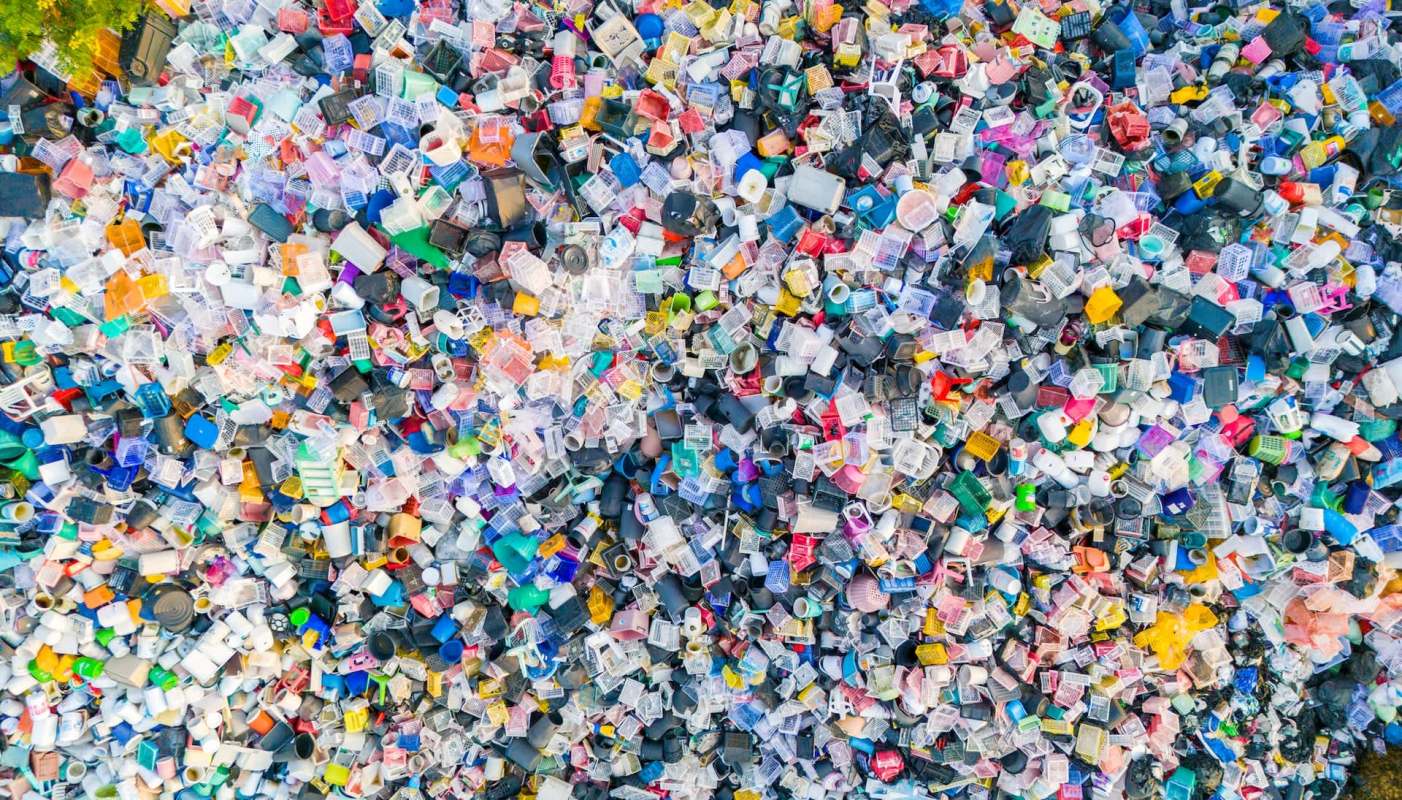
Plastic waste, particularly microplastics that leach into soil and water, has been found in human blood. Medical experts are still learning about the health effects, but Stanford Medicine listed inflammation and organ damage as possibilities. Humans produce about 57 million tons of plastic waste a year. Much of it takes decades to centuries to break down, according to a study published by Nature.
Working on pollution solutions is outside of standard medical school study plans. But the team is enjoying the project.
"Medical students often stay within a very narrow circle, and that concerns me. I want to challenge the stereotype that studying medicine limits opportunities," Anastasiia added.
TCD Picks » Quince Spotlight
💡These best-sellers from Quince deliver affordable, sustainable luxury for all




|
Which of these savings plans for rooftop solar panels would be most appealing for you?
Click your choice to see results and speak your mind. |
 Save $1,000 this year 💸
 The effort started with informational sessions in schools and universities about the importance of sorting materials for recycling. It's widely reported that less than 10% of global plastic waste is reused. Part of the reason is that new plastic is cheaper to make, according to the Institute for Energy Economics and Financial Analysis.
When the Ukraine team learned about how 3D printers can turn filaments from common plastic bottles into new products, its focus shifted.
The 3D-printed products have filled a void in Ukraine, where it can be hard to get expensive, factory-made medical tools. The students are making affordable and accurate equipment, per the release.
"We've already printed parts for a centrifuge and a lamp. We've also created components for a microscope that can be used for research. And now we're working on anatomical bone models," Anastasiia said in the release.
Dental associations and other universities have reached out to Alium to talk about expanding the project. The group would like to scale the concept for widespread use, per the release.
"I am driven by the desire to influence the environment I live in. I don't believe the phrase that circumstances simply happen. I want to shape those circumstances myself. Projects and research work are my way of making real change possible," Anastasiia said.
Other teams are working on ways to reduce the harmful longevity. Experts in Japan are developing biodegradable plastic that would safely break down after use, for example.
Using what you already have is a great way to limit the amount of plastic that's added to the mountains of waste produced each year. Ditching single-use razors and other health and beauty products and using reusable ones is a great place to start. You will often enjoy a better experience while saving money by switching to reusable brands.

Get TCD's free newsletters for easy tips to save more, waste less, and make smarter choices — and earn up to $5,000 toward clean upgrades in TCD's exclusive Rewards Club.
Cool Picks





