


A Michigan State plastic packaging research team is keeping its work close to the family.
That's because the experts — supported by $1.7 million in government funding — have discovered that related polymers produce useful packaging that's also recyclable, according to MSU Today, a university publication.
It's contrary to the blended plastic cocktail that forms most packaging on the market and creates nearly everlasting waste.
Well-performing packaging is important for food and pharmaceutical safety. As a result, the team reported that 100 million tons of it is made every year. Each unique plastic layer serves a purpose in the packaging, but the diversity makes the products hard to separate, according to the summary.
"One of the plastics industry's biggest challenges is making previously unrecyclable plastics recyclable," professor Muhammad Rabnawaz said.
The team, with help from Pacific Northwest National Laboratory, reported that its same-polymer version is strong as well as lightweight and keeps products fresh. It's made from polyester, which is already common in many products. Better yet, it can "even biodegrade," all per MSU. The report added that the product can be recycled by shredding, by melting, or with chemicals.
"What's exciting is that the innovation isn't just in the chemistry — it's in making circularity practical," Rabnawaz said. He added that "these are high-performance materials."
On the reuse front, public buy-in, and followthrough after products are placed in recycle bins, are hurdles.
CBS News reported that only about 5% or 6% of the 48 million tons of plastic waste produced in the United States each year is recycled. The story spotlighted that while most plastics have the well-known "chasing arrow" logo, few are in fact reused.
The Plastic Pollution Coalition called recycling a "false solution," accusing businesses, governments, and other organizations of greenwashing the truth about popular products.
TCD Picks » Quince Spotlight
💡These best-sellers from Quince deliver affordable, sustainable luxury for all




|
Should companies be required to help recycle their own products?
Click your choice to see results and speak your mind. |
 Definitely 👍
 And Rabnawaz noted that new plastics are often cheaper than recycled materials, which is "a market imbalance that suppresses adoption of advanced recycling solutions." Reused plastic costs need to be at parity with virgin materials, or become cheaper than them, for scaled adoption.
That's why efforts to make biodegradable plastic, including unique packaging alternatives, are important. Natural solutions such as bugs that digest the tough-to-degrade materials are also being studied. Once in the environment, most plastics take decades or centuries to dissolve, according to the United Nations. They turn into microplastics as they degrade, filtering into human bodies and causing health concerns that are still being studied. Stanford Medicine listed inflammation and organ damage as concerns.
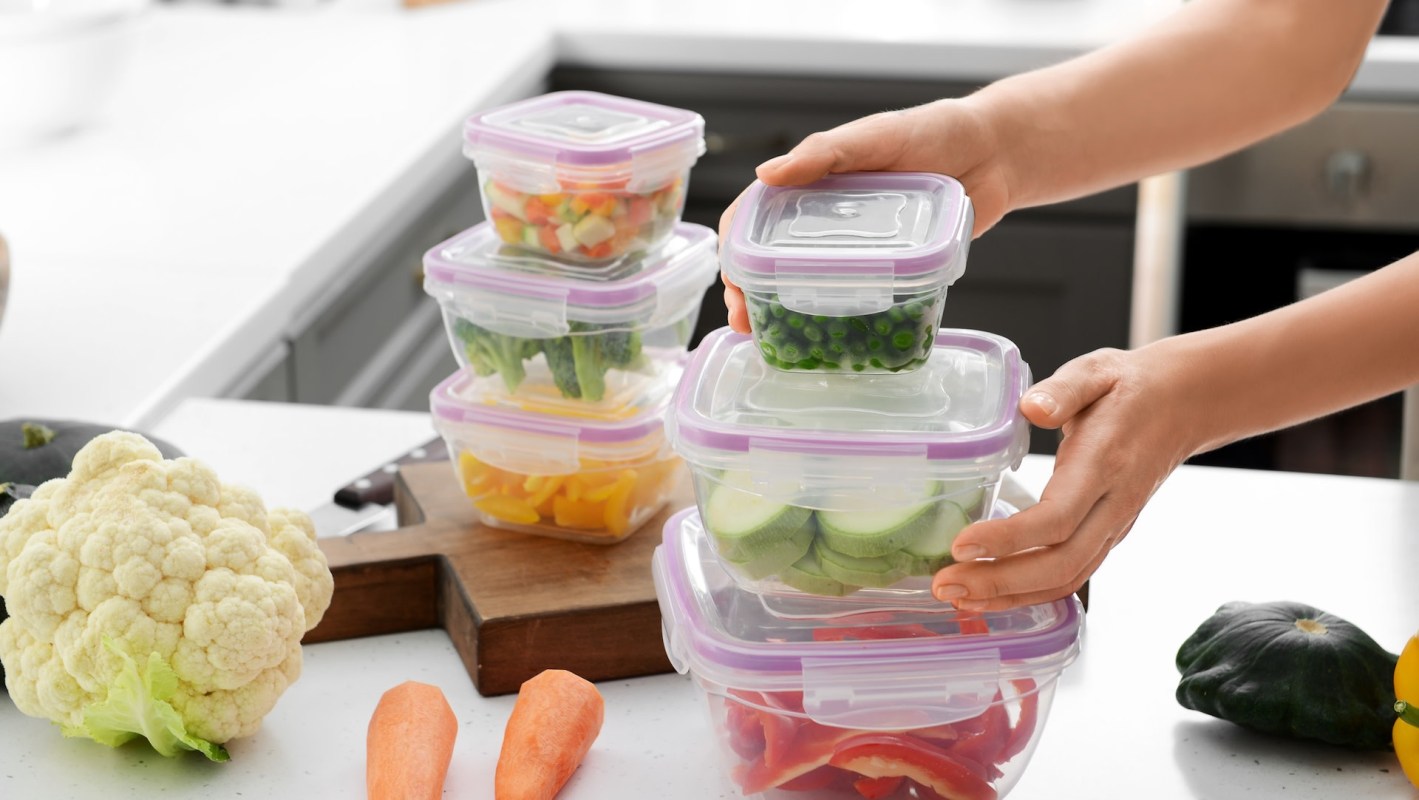
Avoiding plastic altogether is one of the best ways to prevent its worrisome impact. Reusable food containers and water bottles are better products that will save you money in the long run, too. Efforts from Starbucks and other companies to offer ceramic mugs and other reusable or biodegradable utensils are winning plans that you can support with your buying power.
For its part, packaging is likely one plastic staple that is unavoidable, so more sustainable versions are needed. MSU said that its product can extend beyond flexible films, and it is workable with existing production processes.
But market conditions need to be favorable first, according to Rabnawaz.
"The real impact of innovations like this will only be realized when the supporting infrastructure is in place and when virgin resin prices no longer undercut recycling," he said.

Get TCD's free newsletters for easy tips to save more, waste less, and make smarter choices — and earn up to $5,000 toward clean upgrades in TCD's exclusive Rewards Club.
Cool Picks





