


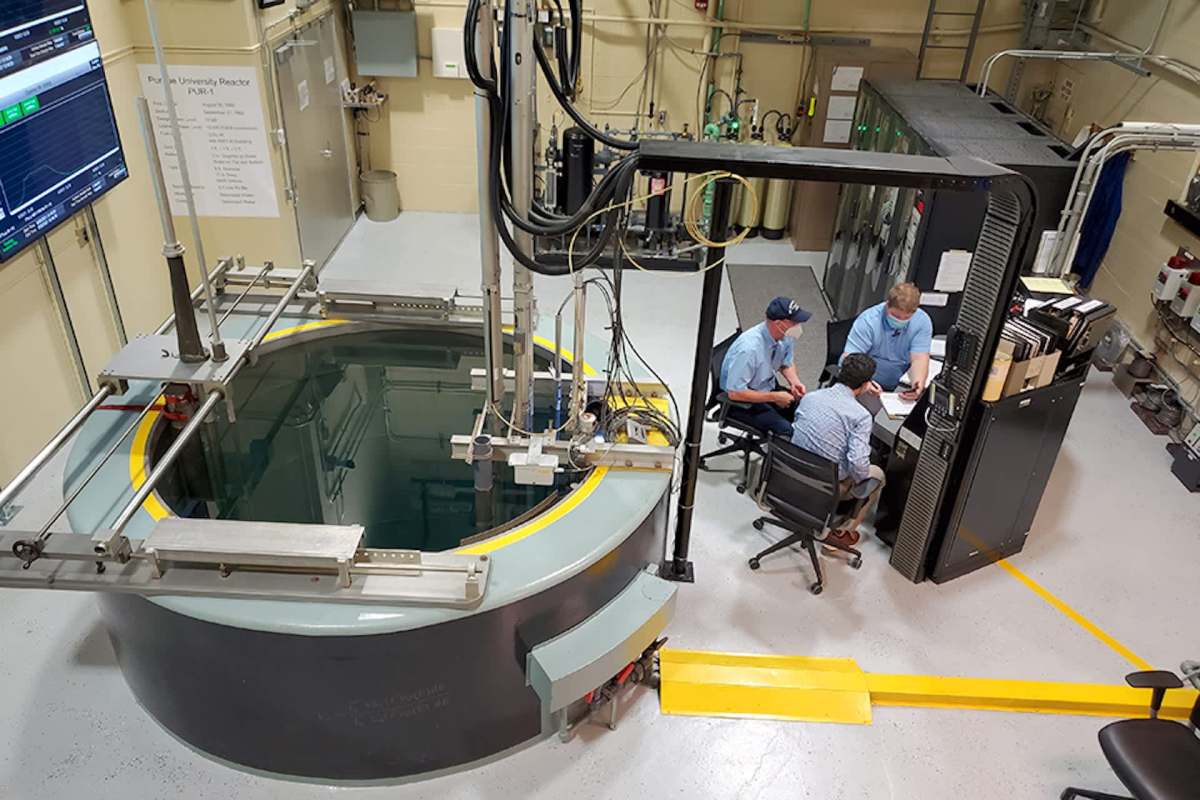
A project unfolding underground at Purdue University is the only nuclear reactor of its kind in the U.S.
Purdue University Reactor Number One is entering its AI-testing phase, adding a new milestone for the Indiana facility, according to a July press release.
The work could help shape how future reactors are controlled, secured, and maintained, including from hundreds or even thousands of miles away.
Here's what to know
Known as PUR-1, Purdue University Reactor Number One has been in place since 1962.
Researchers expanded PUR-1's digital foundation in July by conducting a test that showed the reactor could be adjusted remotely. Through a cloud link and on-site hardware added at the reactor, the team was able to precisely manipulate the system from afar, according to the press release.
PUR-1 is used for research rather than for sending electricity to homes. That makes it a place where scientists can study reactor behavior directly and test ideas for improving nuclear systems.
TCD Picks » Quince Spotlight
💡These best-sellers from Quince deliver affordable, sustainable luxury for all




The project also includes a digital twin of PUR-1, a software-based version that stays closely linked with the real reactor through near-real-time data. Researchers are using it to evaluate artificial intelligence and machine-learning tools that can model reactor behavior, track performance, and potentially identify problems sooner.
More background
Nuclear power is often discussed in terms of major tradeoffs.
Reactors can produce large amounts of electricity without directly emitting planet-warming carbon during operation, which is why many energy experts see nuclear as one possible part of a lower-emissions grid.
On the other hand, the technology raises serious concerns, including radioactive waste, safety risks, extremely high upfront costs, long construction timelines, and the broader issue of weapons proliferation tied to nuclear technology.
If digital tools can make reactors easier to operate, upgrade, and maintain, they could help reduce some of the barriers that have made new nuclear projects difficult to scale.
The reactor is also valuable as a research site because it lets scientists test scenarios that commercial facilities cannot easily explore.
What's being done?
Purdue's team is studying how AI could help address several major challenges at once, including predictive maintenance, cybersecurity, remote operation, and more efficient system management.
Because the reactor and its digital twin exchange data so quickly, researchers can use AI analysis to spot declines in component performance and flag possible maintenance or security concerns. The experiments are also testing quantum encryption, which could help protect the highly sensitive data moving between digital reactor systems.
The goal is for future U.S. reactors — particularly microreactors and other smaller facilities — to be designed with some of these digital capabilities from the start. That could help extend reactor lifespans while reducing operating complexity.
Safer, smarter, and potentially cheaper nuclear operations could influence the cost and reliability of future electricity systems, even if widespread deployment remains years away.

Get TCD's free newsletters for easy tips, smart advice, and a chance to earn $5,000 toward home upgrades. To see more stories like this one, change your Google preferences here.







