


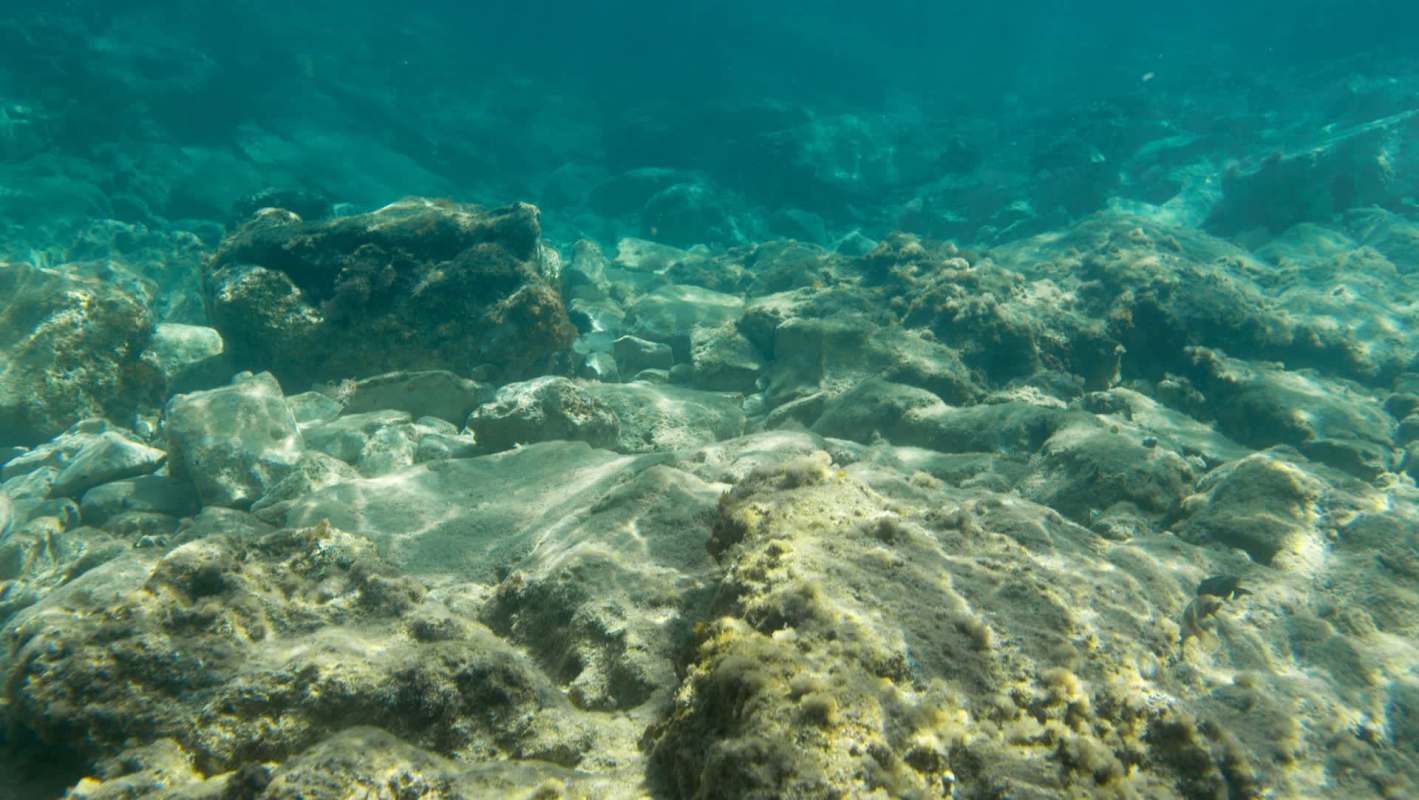
Thousands of feet beneath the surface of the Northeast Atlantic, scientists have gotten a close look at a dumping site that has prompted concern for decades.
There, they found radioactive waste barrels in advanced decay, some having rusted and broken down enough that material appears to have leaked onto the seafloor.
Their early findings do not yet show widespread harm to the ecosystem, but they do confirm that some waste has escaped from containers long expected to deteriorate over time.
What's happening?
According to Earth.com, dozens of scientists spent May 27 to June 28 aboard the research vessel Pourquoi Pas? to study an old dumping zone in the Northeast Atlantic. More than 200,000 barrels of radioactive waste were discarded there over the latter half of the 1900s.
Nautile, a human-occupied submersible, made 20 descents below 15,400 feet during the late-spring mission. The dives enabled researchers to inspect badly corroded barrels firsthand and document material that had spilled onto nearby mud almost three miles down.
The expedition built on earlier mapping work conducted in 2025, which identified 3,355 containers in the survey area and helped researchers decide where to take a closer look.
TCD Picks » Quince Spotlight
💡These best-sellers from Quince deliver affordable, sustainable luxury for all




Readings taken at the site showed several radionuclides associated with the dumped waste above normal background levels for the area. Cobalt-60 and niobium-94 were especially important markers, and cesium-137 and americium-241 were also detected.
Researchers, meanwhile, cautioned that some of those substances can also come from nuclear weapons testing and past nuclear accidents, meaning more lab analysis is needed to determine exactly what came from the barrels and to understand the full environmental picture.
Why does it matter?
Even at that depth, the site was not devoid of life. Researchers saw crabs, sponges, anemones, and other organisms on or near the barrels, which have effectively become hard surfaces in an otherwise soft seabed environment.
The issue is not simply whether radioactive material is present, but whether deep-sea life is absorbing it and whether it is moving through sediment and water in meaningful amounts.
Current evidence does not offer a final ecological risk assessment, but it also does not reassure that everything is fine.
The findings also point to the complicated legacy of nuclear technology. Nuclear power can help reduce planet-warming pollution by generating large amounts of low-carbon electricity, but it also produces waste that must be managed carefully for decades.
These barrels reflect decisions made decades ago that still leave environmental questions unresolved.
What's being done?
Researchers are moving from direct observation to more detailed analysis. The expedition collected water, sediment, organisms, and microbial samples near the barrels, along with data from nearby habitats so scientists can compare natural ecosystems with those forming around the waste containers.
That effort builds on the 2025 mission, which gathered 1,321 gallons of sampled water, along with 345 sediment cores and 34 fish and crustacean specimens.
The next phase will involve months of lab testing to determine how far radionuclides may have spread, how concentrated they are, and whether marine life is taking them up.
The project is also feeding into efforts by the OSPAR Commission to protect marine environments of the Northeast Atlantic and improve understanding of historic dumping sites in the Northeast Atlantic, including those used by several European countries.

Get TCD's free newsletters for easy tips, smart advice, and a chance to earn $5,000 toward home upgrades. To see more stories like this one, change your Google preferences here.






