


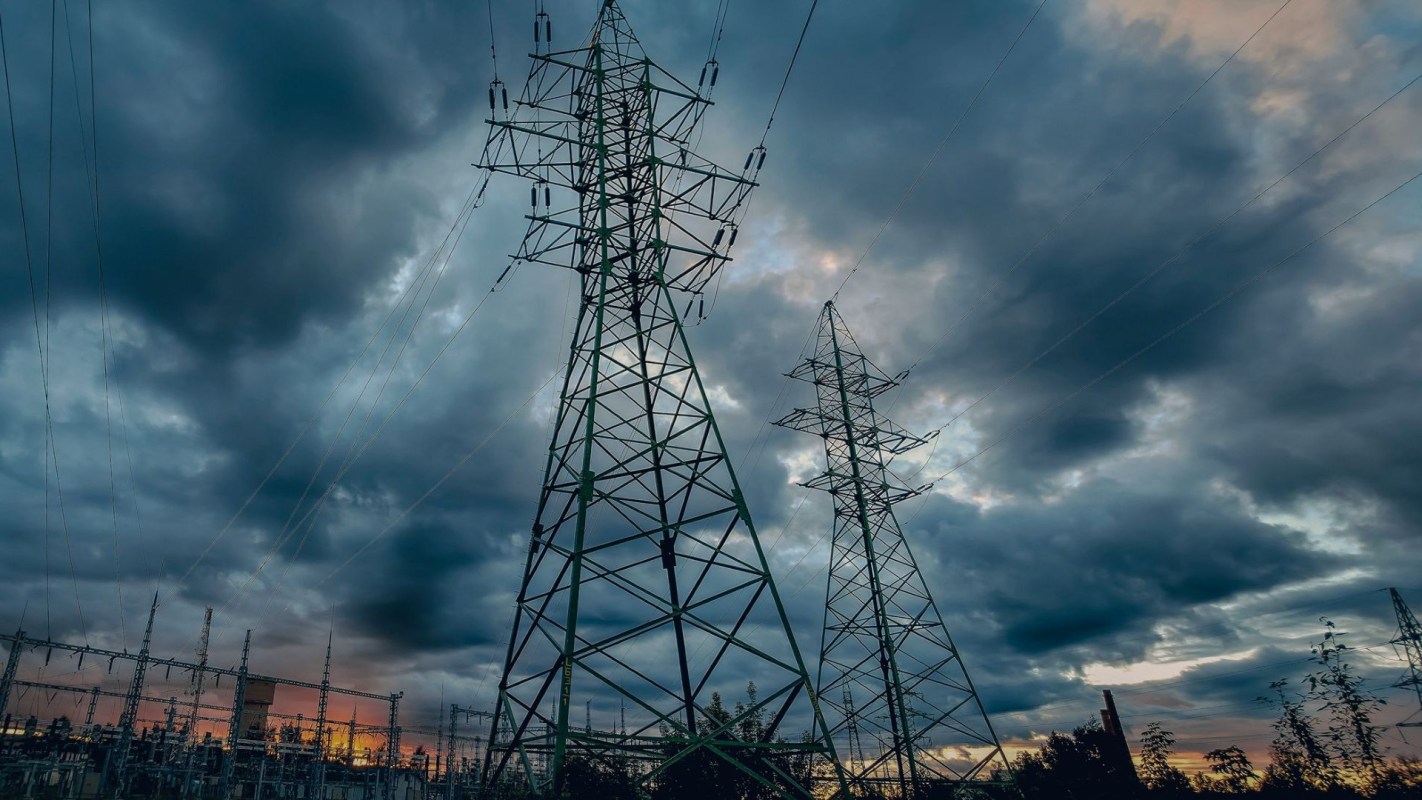
It'd be one thing to lose power during the occasional bad storm. As storm seasons grow longer and weather starts behaving in ways communities don't expect, though, Renewable Energy Magazine says that the conversation around outages is changing.
What's happening?
America's already-fragile power grid doesn't quite seem up to the task. As climate-fueled disasters pile up, outages are becoming less an inconvenience and more a household safety risk.
Storms that once felt unusual are now arriving more often, lasting longer, or intensifying in ways that can catch entire regions off guard. The aging grid is often unprepared for repeated hits from high winds, flooding, and extreme heat.
The National Centers for Environmental Information reported that the U.S. experienced $27 billion worth of weather and climate disasters in 2024, per Renewable Energy Magazine. Those included 17 major storm events, five tropical cyclones, a wildfire, a drought/heat wave, and two winter storm/cold wave events.
Experts are also drawing a distinction between two related trends of elongated storm seasons and erratic storm patterns, as Renewable Energy Magazine described.
An elongated season means hurricane or tornado periods begin earlier and end later, increasing the window of risk. Erratic patterns, meanwhile, can mean storms rapidly intensify, stall over one area, or strike places once considered lower risk.
TCD Picks » Quince Spotlight
💡These best-sellers from Quince deliver affordable, sustainable luxury for all




That growing instability is translating into more blackouts. Climate Central found that weather-related power outages jumped about 78% in the 2011-2021 decade compared with 2000-2010.
Why does it matter?
When the power goes out, daily life can unravel quickly. Work-from-home schedules, online classes, refrigeration, home access, communication, transportation, and medical equipment can all be disrupted at once.
Severe weather can damage poles, transmission lines, and electrical equipment. Flooding may short-circuit infrastructure, while extreme temperatures can drive up electricity demand and strain the system further. Storms don't just knock the grid offline directly; they can also push it beyond what it can comfortably handle.
Even a relatively short outage can mean spoiled food, missed updates, and immediate safety concerns. Longer outages can become dangerous, especially for families relying on powered medical devices or those who may need to evacuate quickly.
The risks are especially pronounced in places Climate Central says are already seeing frequent outages, such as Texas, Michigan, California, North Carolina, and Pennsylvania.
What can I do?
People can't repair the national grid on their own, but they can take steps to make their homes more resilient before the next outage hits. One basic step is to have an emergency plan and backup power options for the essentials.
A garage door battery backup can help people get in or out during an outage, Renewable Energy Magazine noted. These systems stay charged during normal operation and switch on automatically when grid power fails. They won't run forever, but they can provide enough energy for several uses, which can be critical during an evacuation.
Renewable Energy Magazine also pointed to portable power stations that can help reduce food loss by keeping a refrigerator running for hours, depending on the unit's capacity.
Lastly, for households that need internet access for work, school, or emergency alerts, an uninterruptible power supply can keep routers and small electronics online when the grid goes down.

Get TCD's free newsletters for easy tips, smart advice, and a chance to earn $5,000 toward home upgrades. To see more stories like this one, change your Google preferences here.






