


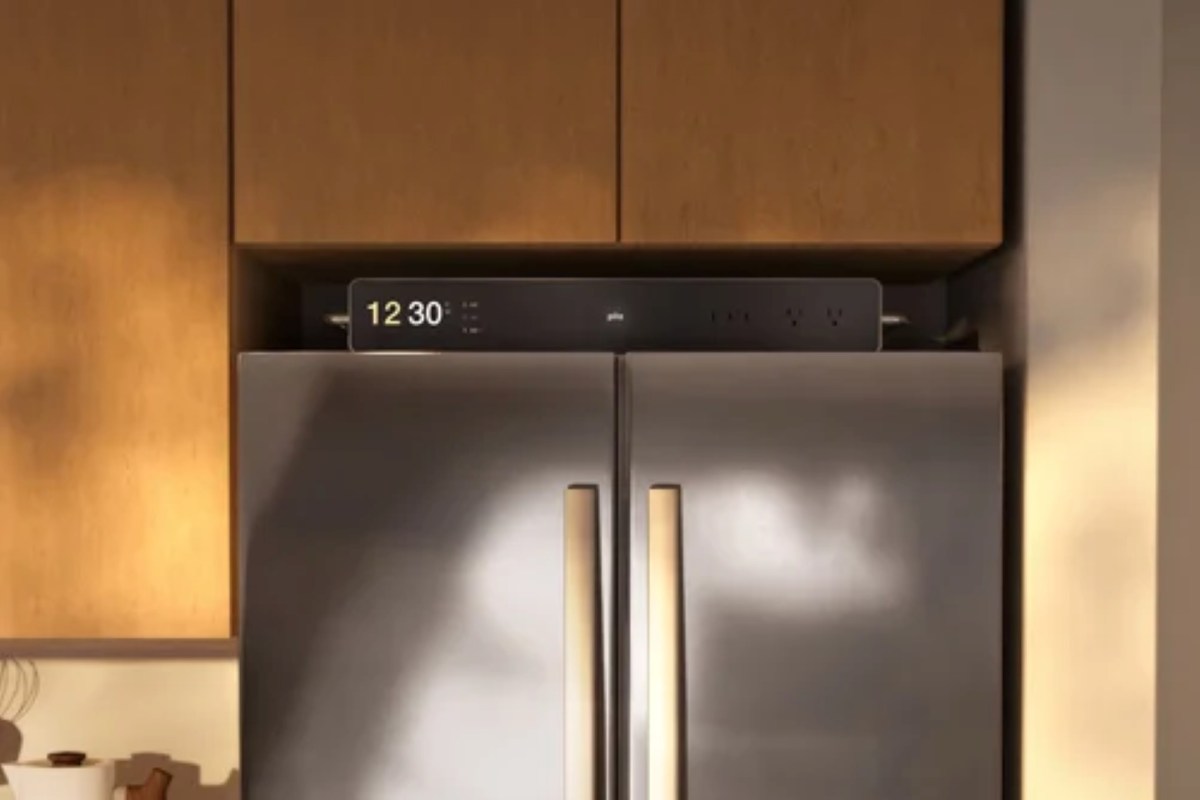
Home battery backups are quickly becoming vital for U.S. residents. Not only do these high-tech devices protect families from power outages, but they can also help reduce energy costs.
Blackouts in the U.S. are becoming more common. According to Climate Central, the average number of weather-related outages increased by 78% from 2011 to 2021. Meanwhile, NASA observed that extreme weather conditions are likely to become longer and more intense as pollution from human activity further warms the planet's atmosphere.
Now more than ever, homeowners are looking for solutions to their frustrations with the grid. For the last decade or so, large home battery backups, such as the Tesla Powerwall, have dominated this space.
That may soon change, as Pila's Mesh Home Battery has entered the arena. The briefcase-sized battery is powerful enough to keep your fridge alive during an outage, and unlike a Tesla Powerwall, it is a plug-and-play unit.
This means it can be plugged into a normal 120-volt outlet to charge. In turn, Pila starts working immediately, with no tools or rewiring necessary.
For renters, this could be a game-changer. Battery backups have been a tough sell for renters who would typically need a landlord's approval before rewiring and installing a whole-home battery unit. However, Pila offers energy security regardless of whether you own or rent your home.
According to Pila's website, the Mesh Battery is "the simplest, smartest backup solution for homeowners — and renters — to power what matters most during increasingly frequent and disruptive power outages."
Even better, householders can buy and pair as many Pila Mesh Batteries as necessary to keep their vital appliances running when the grid goes down. They are built to seamlessly coordinate to help you avoid the most frustrating parts of a blackout.
Save $10,000 on solar panels without even sharing your phone number Want to go solar but not sure who to trust? EnergySage has your back with free and transparent quotes from fully vetted providers in your area. To get started, just answer a few questions about your home — no phone number required. Within a day or two, EnergySage will email you the best options for your needs, and their expert advisers can help you compare quotes and pick a winner. Solar panels can save you more than $50k over their 25-year lifespan, and EnergySage can help you save as much as $10k on installation. Which begs the question — isn't that worth an email or two? |

These tiny units are surprisingly powerful. A single Pila battery can power a fridge for 32 hours, or keep your Wi-Fi connected for 132 hours.
The price of Pila's Mesh Home Battery is $1,299 and can be reserved now for $99, with shipment expected this summer. For comparison, the Tesla Powerwall, which was built as a whole-home backup system, usually costs around $15,000 to $16,000 according to SolarReviews.com.
|
Which of these savings plans for rooftop solar panels would be most appealing for you?
Click your choice to see results and earn rewards to spend on home upgrades. |
 Save $1,000 this year 💸
Get TCD's free newsletters for easy tips to save more, waste less, and make smarter choices — and earn up to $5,000 toward clean upgrades in TCD's exclusive Rewards Club.
Cool Picks




