


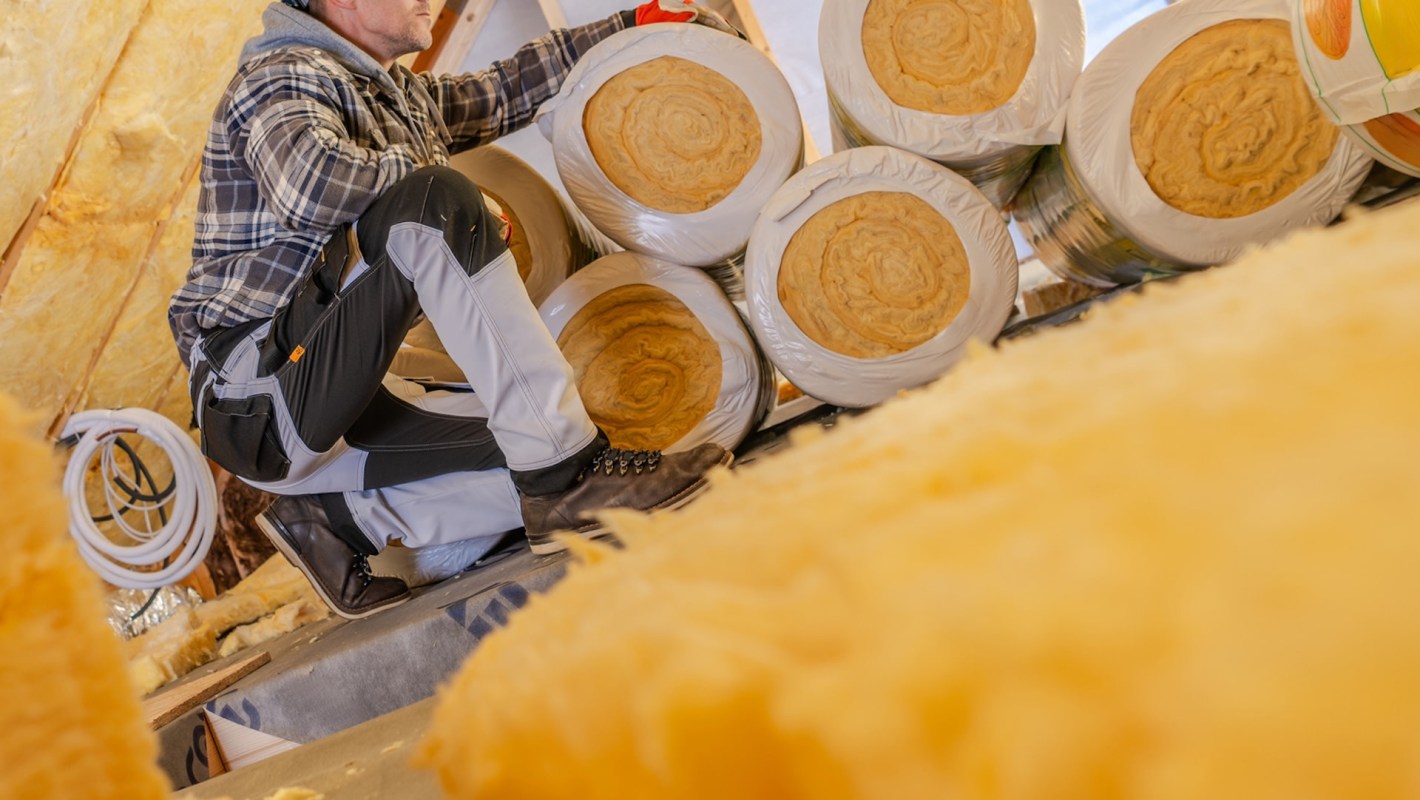
Home insulators from Georgia are piloting an ingenious program that turns prolific packaging waste into new building materials.
Online publication Plastics Today reported that the effort is tackling particularly hard-to-recycle films that wrap popular insulation products. It's being spearheaded by the North American Insulation Manufacturers Association (NAIMA) and Installed Building Products, a nationwide insulation installer.
The wraps would otherwise end up in a landfill, joining other plastic waste that takes hundreds of years to centuries to degrade, according to the United Nations.
"At its core, the home insulation industry is about sustainability," NAIMA sustainability director Abbey Patterson said in the story. "Our products not only help homeowners save money on their energy bills but also reduce pollution and have a lighter impact on the environment."
Proper insulation can save you hundreds of dollars a year while keeping your home more comfortable. Energy Star said that households can save 15% on heating and cooling costs with the right insulation spread and sealing. But NAIMA reported that a surprising 89% of single-family homes in the United States are underinsulated.
Eliminating an offshoot wastestream from the products needed for the upgrade is a win-win.
As part of the project, the plastic wraps are collected from job sites and taken to a facility that can process them. The direct delivery prevents the packaging from becoming contaminated by other trash. Some well-known companies, including Owens Corning, intend to participate, according to Plastics Today.
After being packaged, the waste is taken to other partners to make outdoor building products such as composite decking.
"By reclaiming and recycling … packaging, we are turning what was once considered waste into a resource," NAIMA CEO Curt Rich said, per Plastics Today.
When plastic is littered or dumped in a landfill, it slowly degrades into microplastics, harmful particles that have saturated the earth, our oceans, and even our bodies. The health repercussions are still being studied, but Stanford Medicine said that evidence increasingly suggests that microplastics trigger inflammation, harm organs, and cause other problems.
TCD Picks » Quince Spotlight
💡These best-sellers from Quince deliver affordable, sustainable luxury for all




|
Which factor would most effectively motivate you to recycle your old batteries? Click your choice to see results and speak your mind. |
 Getting money back 💰
 Avoiding plastic in daily life is a great way to prevent the troublesome waste. Often, the replacements will be long-lasting, money-saving alternatives that provide better service. Cloth grocery bags, for example, won't break easily. Reusable water bottles can save around $260 a year if you stop buying the throwaway packs.
Projects like the one being piloted by Georgia's insulators can help to reduce plastic trash at scale. The effort's leaders are hopeful that their success will inspire similar work in other parts of the country.
"It's only natural for us to also want to focus on making every aspect of the industry environmentally friendly," Patterson said in the Plastics Today report.

Get TCD's free newsletters for easy tips to save more, waste less, and make smarter choices — and earn up to $5,000 toward clean upgrades in TCD's exclusive Rewards Club.
Cool Picks





