


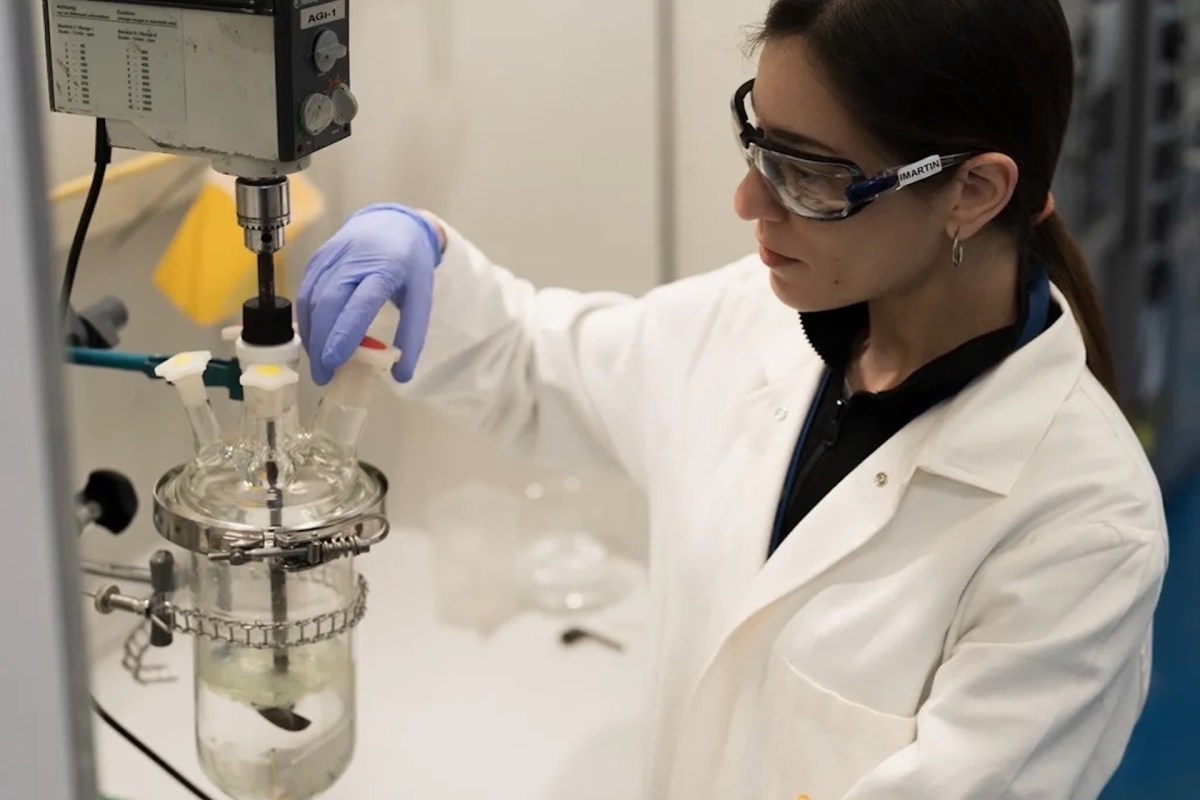
Scientists at the plastic technology center AIMPLAS are working hard to decrease our reliance on plastic.
The team is "addressing this issue through innovative technologies such as physicochemical delamination, a combination of mechanical separation techniques, and enzymatic recycling," per AZO Materials.
They're using a process called "enzymatic delamination," which injects enzymes into the plastic to help it degrade.
According to AZO, "These approaches have enabled the efficient and sustainable recycling of multilayer waste, allowing it to be reintroduced into the value chain or used to produce new recycled plastic products."
Plastic is everywhere — plastic packaging, plastic clothes, plastic decorations. It's in our homes, our cars, and even our own bodies. Over 450 million metric tons — equivalent to 990 billion pounds — of plastic is produced each year, according to the International Union for Conservation of Nature.
Less than 10% of that enormous number is recycled, leaving hundreds of billions of pounds of plastic waste to pollute oceans, harm wildlife, enter our bodies, and clog up landfills.
Plastic may be inexpensive and easy to produce, but it isn't cheap or easy to recycle. Multilayer plastic is even more complex, as layers of different plastics require different recycling processes.
Effectively recycling multilayer plastics, which are most commonly found in food packaging, could reduce a significant amount of plastic waste.
Recycling is just one part of the problem. Plastic production, which relies entirely on fossil fuels, generates 5% of our global planet-warming emissions. To reduce our reliance on plastic, we need sustainable plastic alternatives.
Biodegradable plastics and bioplastics require fewer, if any, fossil fuels to produce and can degrade partially or entirely.
TCD Picks » Quince Spotlight
💡These best-sellers from Quince deliver affordable, sustainable luxury for all




|
Should plastic grocery bags be banned nationwide? Click your choice to see results and speak your mind. |
 Absolutely 👍
 One newly discovered biodegradable plastic, made of a supramolecular polymer, completely dissolves in salt water. There are already plant-based plastic wraps, food containers, water bottles, and more, and researchers across the globe are working to expand that list.
Our plastic problem won't be fixed by one single solution. It'll take a combination of changes — reducing, reusing, recycling, and redesigning.
In the meantime, you can do your part by using less plastic.

Join our free newsletter for weekly updates on the latest innovations improving our lives and shaping our future, and don't miss this cool list of easy ways to help yourself while helping the planet.
Cool Picks





