


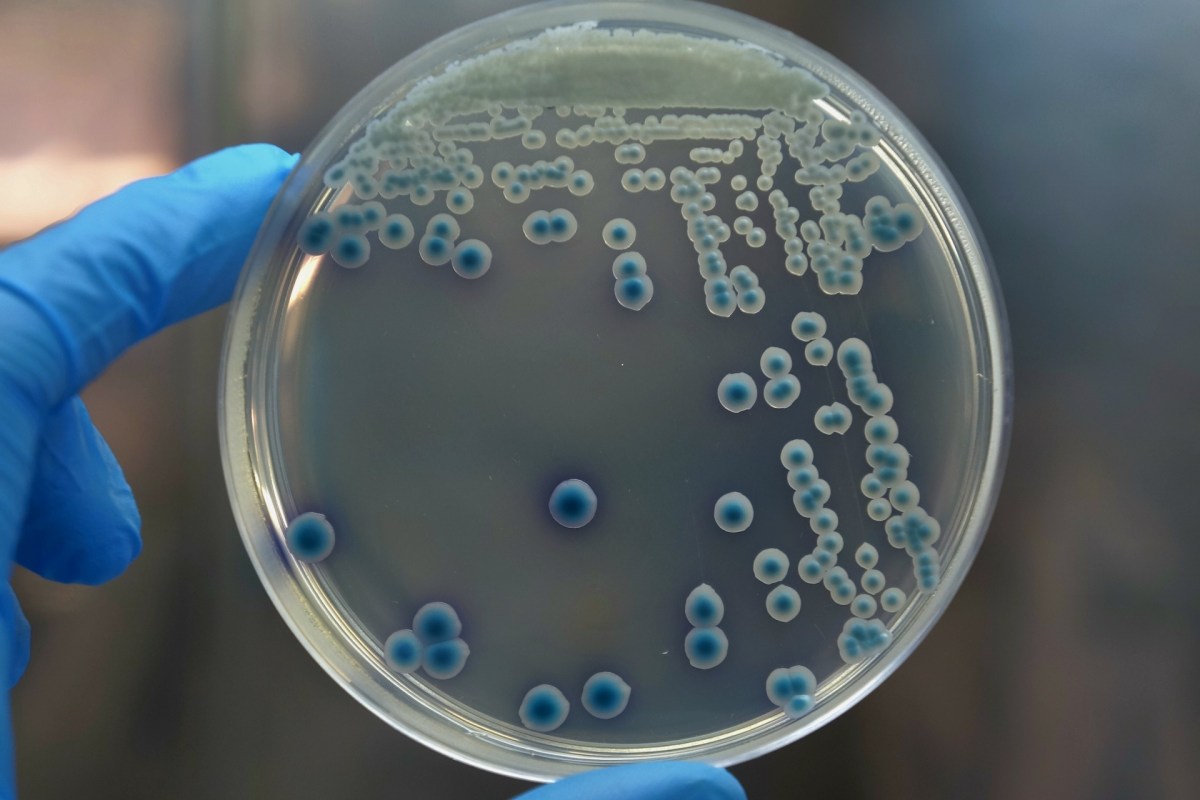
Ville Santala, a biotech professor at Tampere University in Finland, is helping to tackle the plastic pollution crisis by using genetic engineering to create plastic-gobbling bacteria.
According to a news release from the university, Santala's interest in biology began in his childhood when he joined a nature club. In his spare time, he also took a liking to building things.
When he launched a career in biotechnology years later, his childhood fascinations turned him toward the field of synthetic biology, which is "a field of science that involves redesigning organisms for useful purposes by engineering them to have new abilities," as the National Human Genome Research Institute explained.
The genetically engineered organisms are programmed to perform certain functions that can solve major global issues, such as improving crop yields or creating more nutritious foods, producing new medicines and vaccines, or even teaching microbes to clean up plastic in the environment, as Santala and his research group, Synbio, are working on.
The engineered bacteria can be trained to "eat" plastic pollution and even be used in the production of new, more environmentally friendly plastics that don't require the use of dirty fuels, such as oil and gas, to make.
As Tampere University explained, the bacteria could even help create food from plastic waste, "which could have significant implications for future space colonies."
While this application is likely years away from becoming a reality, scientists elsewhere have already started using genetic engineering to break down plastic or develop a more sustainable version of the material, suggesting the technologies could become mainstream in the not-so-distant future.
Plastic production and waste are problematic for numerous reasons. For one, plastic has been linked to a plethora of health problems, including cancer, endocrine disruption, reproductive issues, respiratory problems, and cognitive impairment, and much more, per the Geneva Environment Network.
Researchers have reported finding microplastics virtually everywhere, from the oceans to remote mountains to our drinking water, revealing the widespread nature of plastic pollution.
Since plastic can take hundreds or even thousands of years to break down, that means the material can bioaccumulate in the environment and human bodies for a long time.
TCD Picks » Quince Spotlight
💡These best-sellers from Quince deliver affordable, sustainable luxury for all




|
Should we be pouring money into nuclear fusion technology? Click your choice to see results and speak your mind. |
 Yes — it'll pay off 👍
 According to the World Wildlife Fund, cleaning up all this plastic is expensive, with global costs for waste management exceeding $32 billion annually. That's not to mention that plastic manufacturing, disposal, and every step of production in between generated around 2 billion tons of pollution in 2019, or roughly 3% of the world's total emissions, per the United Nations.
Because of all the problems associated with plastic, it has never been more important for society to find sustainable solutions, and plastic-eating bacteria could be the key to unlocking a cleaner, healthier world.
There's no word from Santala on when we should expect to see the synthetic bacteria being used on a commercial scale, but for now, he's continuing to teach industrial biotechnology and synthetic biology and lead his research group. A new research hub is expected to open in 2026 at Tampere, which he said should help advance the lab work.
"I have a naive faith in the significance of our research," Santala said. "I believe biotechnology and synthetic biology hold promise for addressing many of the current global challenges."

Join our free newsletter for weekly updates on the latest innovations improving our lives and shaping our future, and don't miss this cool list of easy ways to help yourself while helping the planet.
Cool Picks





