


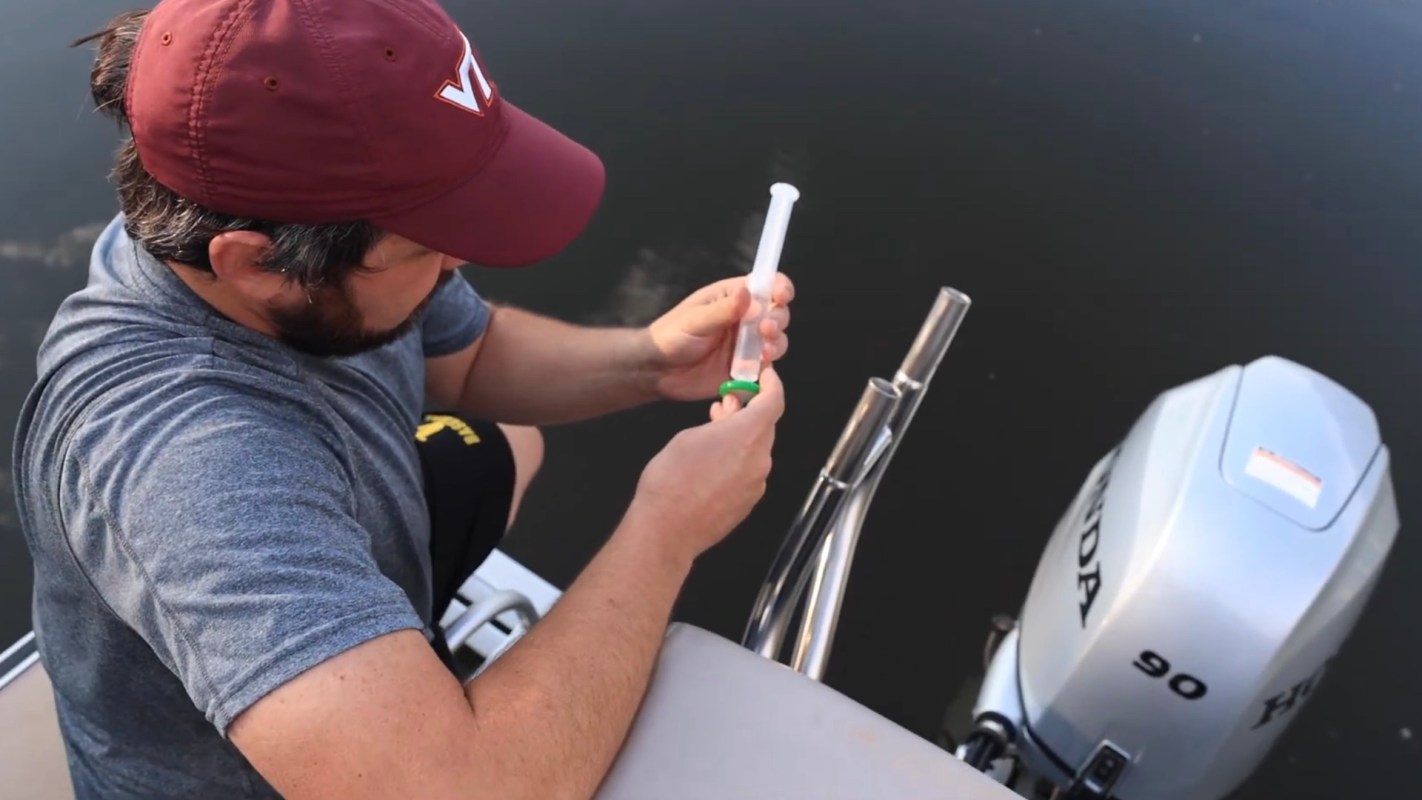
A groundbreaking research initiative from Virginia Tech could provide a blueprint for tackling one of the most pressing public health issues: "forever chemicals" in drinking water.
The project is being led by Stanley Grant, professor of civil and environmental engineering and director of Virginia Tech's Occoquan Watershed Monitoring Laboratory, in partnership with Fairfax Water and The Water Research Foundation. It will target contamination in the Occoquan Reservoir, which supplies nearly two million people.
The reservoir currently contains PFAS — perfluoroalkyl and polyfluoroalkyl substances — at levels over the EPA's standards. These chemicals, used in countless industrial and consumer products, have been linked to health issues like cancers, immune system problems, and developmental delays in children. However, for this initiative, rather than treating stormwater, wastewater, and drinking water as separate issues, researchers are adopting an integrated "One Water" approach, which views them as all interconnected.
The project team is utilizing advanced computer modeling to test "what-if" scenarios, evaluating the costs and effectiveness of various solutions. Their work will not only guide PFAS mitigation in the Occoquan Reservoir but also serve as a national reference for other utilities. Researchers are hoping to see results as early as 2027.
Access to safe, affordable water is a global concern. More than 4 billion people worldwide don't have access to safe drinking water. By creating a scalable model that can be replicated for other water systems, this project could help reduce long-term health risks, protect vulnerable ecosystems, and stabilize resources for both people and wildlife. For Virginia residents, it also means fewer costs associated with medical care, environmental cleanup, and future water treatment infrastructure.
Peter Grevatt, CEO of The Water Research Foundation, called the initiative "a holistic One Water approach to PFAS management" that can "optimize mitigation measures to minimize costs while maximizing public health and water quality benefits."
"We want to address the complex issue of PFAS pollution in a key drinking water reservoir by integrating cutting-edge science and modeling tools and stakeholder engagement," said Grant. "This has the potential to safeguard drinking water quality for millions of people but also provide a blueprint for other communities seeking to manage emerging contaminants in their water systems."
|
How often do you worry about the quality of your drinking water? Click your choice to see results and speak your mind. |
 Never 👎
Join our free newsletter for weekly updates on the latest innovations improving our lives and shaping our future, and don't miss this cool list of easy ways to help yourself while helping the planet.
Cool Picks





