


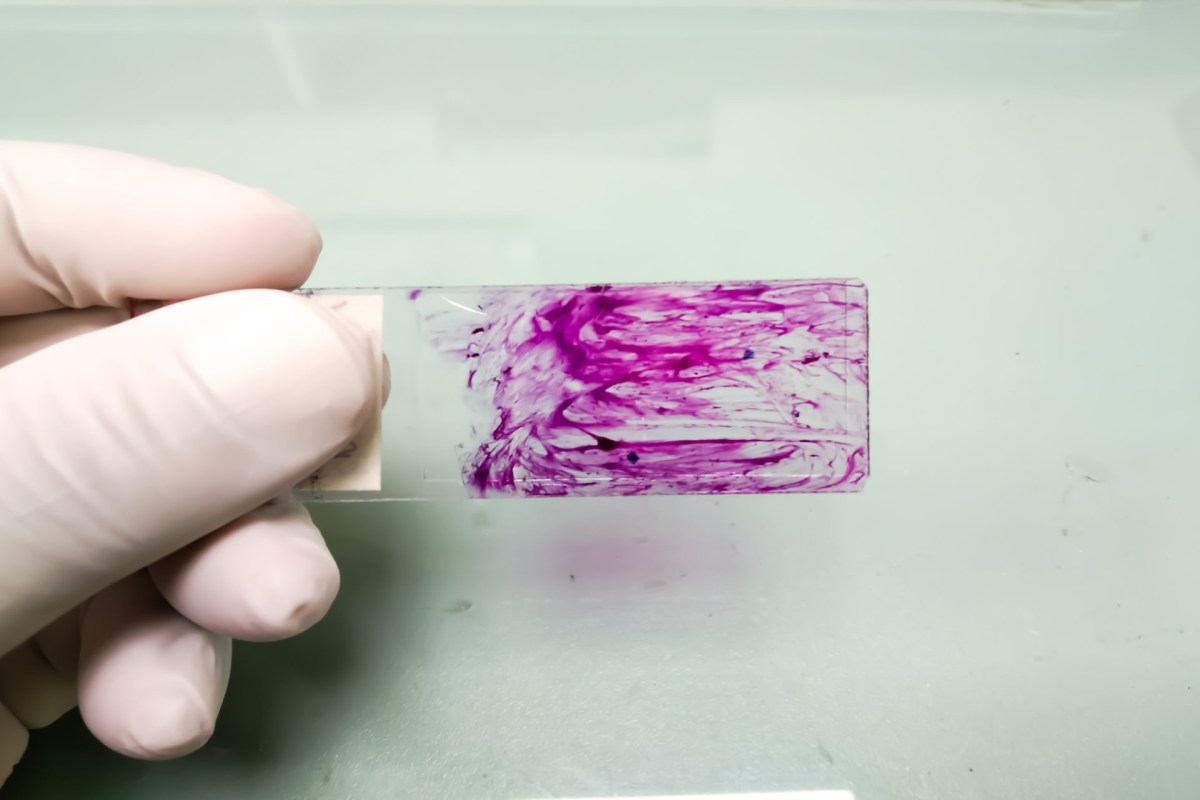
Forever chemicals — the set of long-lasting substances that are also known as PFAS — have been associated with a number of negative health outcomes, and now researchers say that some PFAS could be tied to a higher risk of severe endometriosis.
What's happening?
A recent study found that PFAS were widely detected in endometrial tissue of women, with or without endometriosis, which means there was no association between PFAS and overall risk of this disease.
However, higher levels of certain PFAS — PFOS, PFOSA, and PFHxS — were associated with a higher risk for more advanced endometriosis, according to a version of George Mason University's summary of the study shared by Medical Xpress.
Why is this study important?
Around 11% of individuals in the U.S. who are assigned female at birth suffer from endometriosis, according to the study's authors.
The often-painful condition occurs when tissue similar to the inner lining of the uterus grows outside this organ, as the Mayo Clinic has explained. In addition to pelvic pain, it can lead to fertility problems, as well as symptoms such as excessive bleeding. It can also lead to pain with bowel movements, urination, or sex. Some patients may also experience fatigue, diarrhea, constipation, bloating, or nausea.
Meanwhile, PFAS contamination is a growing problem in communities across the globe. PFAS refers to a group of human-made chemicals that have been used for decades in everyday home goods such as non-stick cookware and rain jackets. They've also been widely used in firefighting foams.
According to one study, more than 20% of Americans may be exposed to PFAS-laced tap water. And another paper found PFAS in the bloodstreams of 99% of tested individuals in eight U.S. states.
Other studies have also linked PFAS exposure to health impacts such as decreased fertility, increased risk of certain cancers, and reduced ability of the body's immune system to fight infections.
What's being done about PFAS?
While PFAS have infiltrated our environment, showing up in everyday products, soil, and drinking water, there are some things you can do to reduce your exposure. You can start by opting for PFAS-free brands and nonstick cookware, and limiting your purchases of stain- or water-resistant fabrics.
Plus, scientists are making some breakthroughs to remove these chemicals from our water. In fact, one team at the University of Illinois recently found a way to remove a full spectrum of PFAS from water in a single process.
TCD Picks » Quince Spotlight
💡These best-sellers from Quince deliver affordable, sustainable luxury for all




|
Do you worry about having toxic forever chemicals in your home?
Click your choice to see results and speak your mind. |
 Majorly 😥
Join our free newsletter for weekly updates on the latest innovations improving our lives and shaping our future, and don't miss this cool list of easy ways to help yourself while helping the planet.
Cool Picks





