


Sustainable farming is making headlines after researchers discovered a unique connection between organic farming and carbon storage in soil, according to an article posted on Phys.org.
As more polluting carbon ends up in the atmosphere and global temperatures continue to rise, scientists are trying to find ways to increase carbon absorption. This will help decrease the carbon in the atmosphere, creating a healthier planet for everyone.
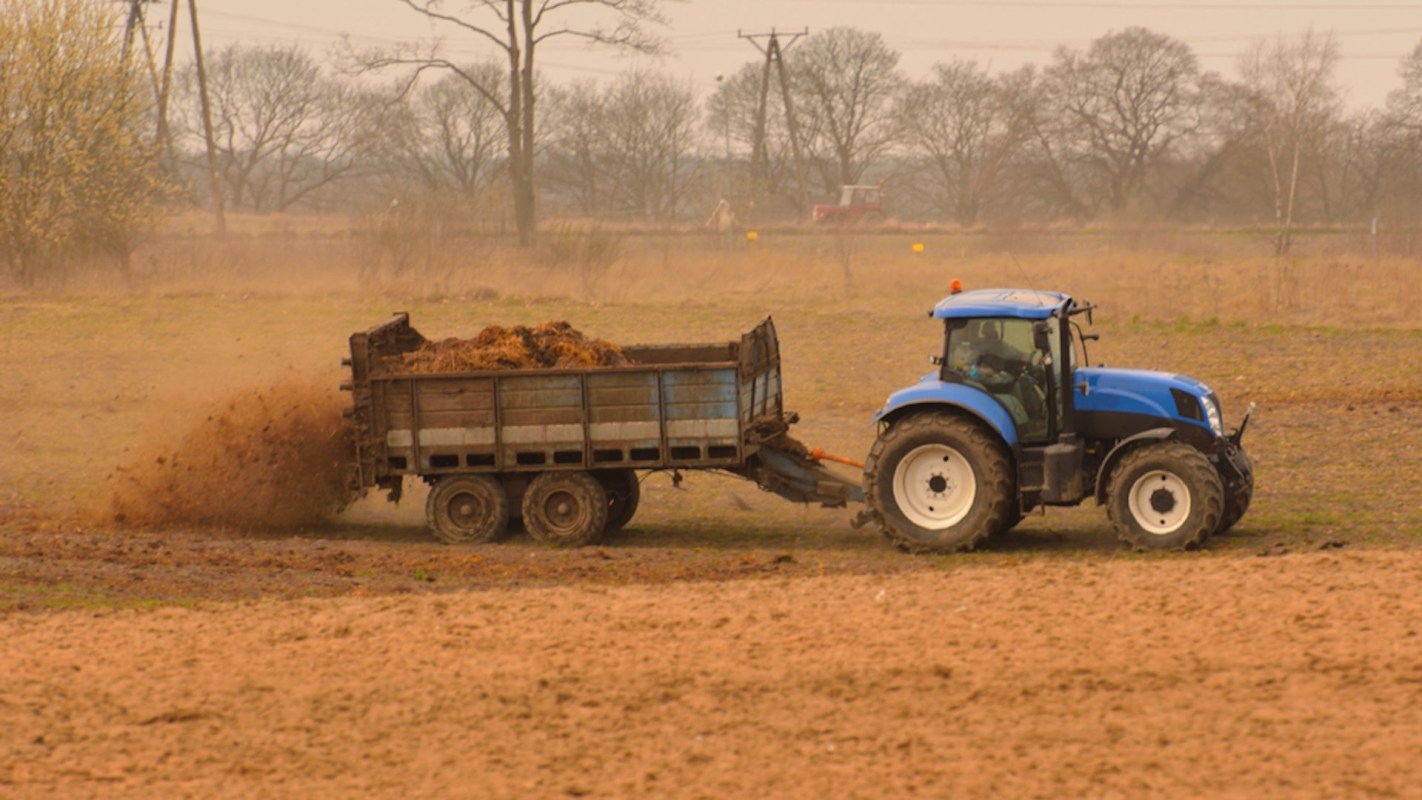
Researchers at Kansas State University have been studying how different farming practices impact the amount of carbon stored in the soil. After comparing their results, the researchers concluded that soil treated with manure or compost fertilizer stores more carbon than soil treated with chemical fertilizers or no fertilizer.
While previous studies on soil carbon capture have also found organic farming techniques increase carbon capture in soil, the researchers at KSU discovered something else: how the carbon gets stored in the soil.
According to their findings, the carbon is preserved in pores, and some of that carbon attaches to minerals in the soil. Ultrabright synchrotron light — a type of light that is more intense and brighter than an X-ray — enabled the researchers to see how the carbon connects to the soil particles.
KSU researchers used the Canadian Light Source at the University of Saskatchewan and the Advanced Light Source in Berkeley, California, to analyze soil from a Kansas cornfield that had been farmed with no tilling and only manure/compost fertilizer for the past 22 years.
Published in the Soil Science Society of America Journal, the study underscores the benefits of sustainable farming. It highlights how organic compost and manure not only support the health of the soil but also directly fight rising global temperatures through carbon sequestration.
"Collectively, studies like this are going to help us to move forward to more sustainable, more regenerative agriculture practices that will protect our soils and environment as well as help feed growing populations," KSU professor of soil and environmental chemistry Dr. Ganga Hettiarachchi said, according to Rowan Hollinger of Canadian Light Source.
"As well, understanding the role of the different minerals, chemicals, and microbes involved will help improve models for predicting how different farming practices affect soil carbon storage," Hettiarachchi added.
Cool Picks





