


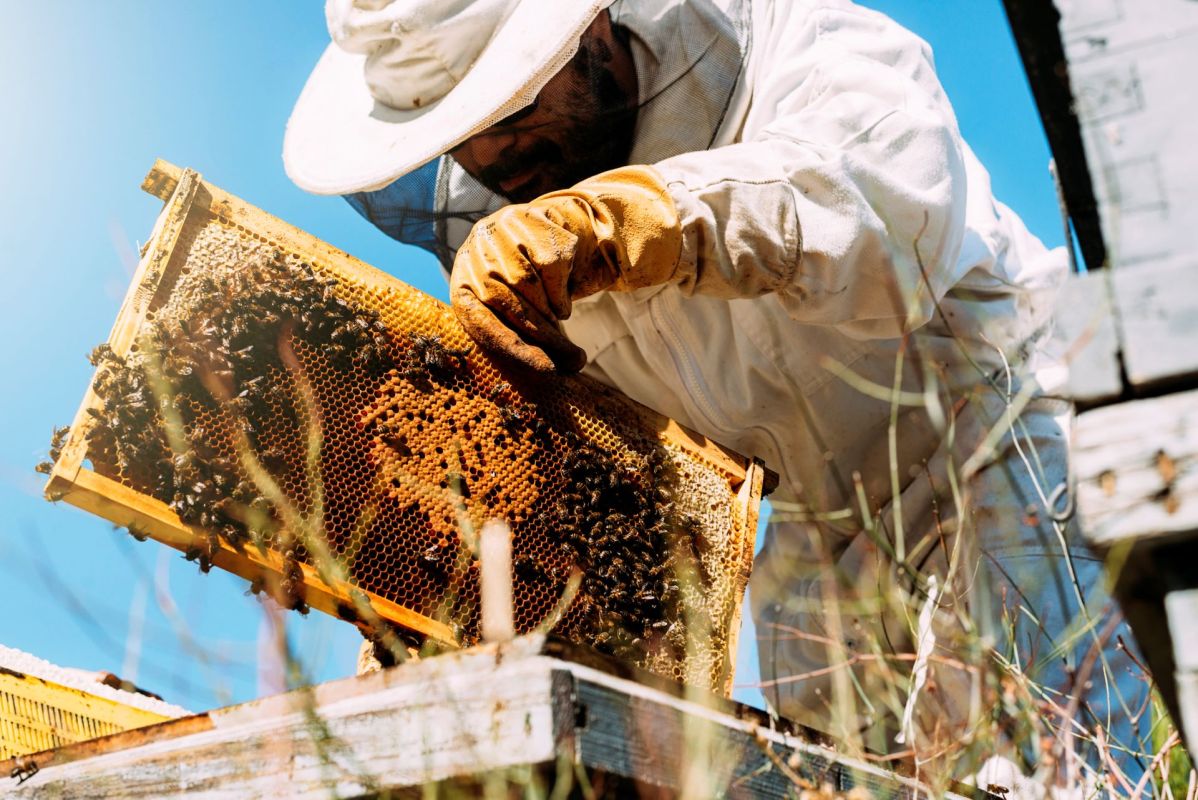
Researchers from Penn State's College of Agricultural Sciences found that organic beekeeping practices could boost honey production by 50% over time compared to traditional methods.
According to a news release from the university, which summarized a study published in the Journal of Economic Entomology, organic beekeepers could earn better profits than those who use conventional management.
After estimating the profits of beekeeping operations at certified organic farms in Pennsylvania over a three-year period, the team forecasted that, after an additional three years, conventional farms would earn annual profits of around $6,000, while their organic counterparts would bring home $10,000.
The scientists' research couldn't come at a more opportune time, as a study published in Science found that 2025 marked the largest-ever honey bee colony losses in the United States, citing viruses spread by parasitic mites as the culprit.
Researchers discovered that every mite they tested was resistant to amitraz, one of the last remaining effective chemical treatments for controlling mites.
While the use of synthetic chemicals and antibiotics can be effective in the short term to suppress pests like the Varroa mite — the pesticide-resistant mite responsible for the massive bee die-off — it's not a permanent solution since the pests eventually build immunity to it.
TCD Picks » Quince Spotlight
💡These best-sellers from Quince deliver affordable, sustainable luxury for all




Not to mention, the chemicals can accumulate in hives over time and pose risks, not only to the bees but to people who consume their honey. In addition, studies have shown that in-hive application of pesticides and miticides can harm bees' gut microbiomes, increase their stress, and cause behavioral abnormalities, cellular damage, and even death.
The Penn State researchers found that avoiding the use of any chemicals was the least-profitable management strategy and had the lowest survival rates. However, a middle ground of using naturally derived substances like organic acids and essential oils, and other integrated pest management systems resulted in the healthiest colonies and most profitable operations.
Organic beekeeping is also much healthier for people, as the beekeepers themselves reduce their exposure to dangerous chemicals, and consumers don't have to worry about high levels of pesticides in the honey they buy.
That doesn't mean organic beekeepers avoid the use of chemicals altogether, but just the synthetic varieties that have proven environmental and public health risks.
|
Do you worry about having toxic forever chemicals in your home?
Click your choice to see results and speak your mind. |
 Majorly 😥
 "Organic beekeeping is not chemical-free beekeeping, and it does not mean that you do not control any of the pests that you have in the colony," Robyn Underwood, Penn State Extension apiculture educator and a co-author of the study, said in the paper summary. "On the contrary, it involves having a deep care for the welfare of the colony in such a way that if — for example — Varroa mite levels go above a certain threshold, you take an active role in controlling them."
The researchers hope that additional studies will reveal more specific strategies small and mid-sized beekeepers can follow to boost profits while maintaining an organic approach. Since bees are responsible for pollinating around one-third of the fruits and vegetables we eat, per the Department of Agriculture, it's important to do what we can to protect them.

Join our free newsletter for weekly updates on the latest innovations improving our lives and shaping our future, and don't miss this cool list of easy ways to help yourself while helping the planet.






