


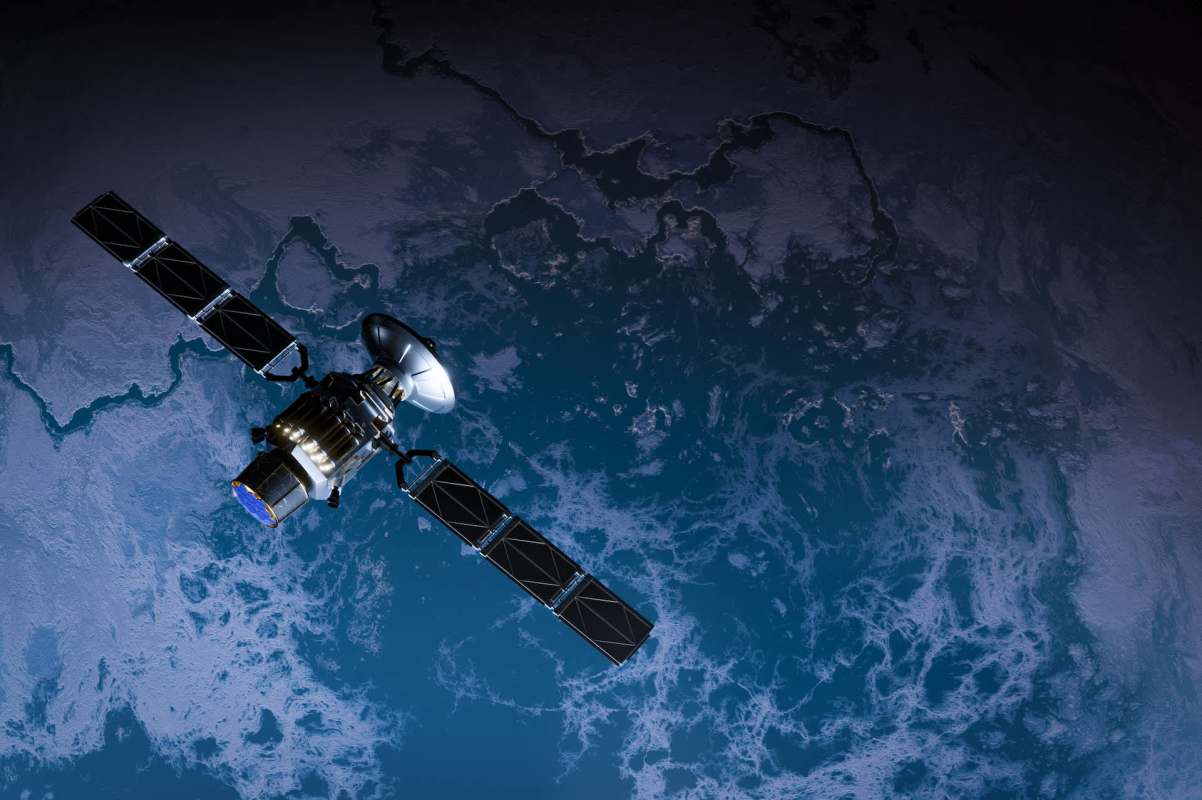
James Cook University researchers are making a space-to-ocean connection with artificial intelligence as the conduit.
That's because the Australia-based experts are using an AI algorithm to "fuse" two types of satellite images for "high-precision" oil spill spotting from above, according to a news release.
"This is a major step forward in oil spill detection, and it will allow us to detect spills more accurately and tell whether the oil is thick or thin," lead researcher and doctoral candidate Quanwei Liu said.
About 706 million gallons of waste oil contaminates our oceans each year. Specific calamities such as BP Deepwater Horizon's busted oil well itself leaked 206 million gallons of the dirty fuel into the Gulf of Mexico in 2010, according to Earth.org and Oceana, an environmental watchdog.
Oil can harm sea creatures, ruin beaches, and even make seafood unsafe to eat, the National Oceanic & Atmospheric Administration added. For reference, the agency reported that Deepwater eventually covered more than 43,000 "cumulative" square miles, likely creating a spectacle even from a space-based perspective.
Understanding how much oil has been spilled and how waves and water movement are carrying it about can help form the response. And James Cook's team said the space-eye views can be a game-changer.
"This is vital for giving decision makers a clearer picture than ever before," Liu said in the release.
James Cook's project combines two satellite images in a way that has been challenging to date: synthetic aperture radar (SAR) and the hyperspectral imaging satellite (HSI), according to the experts.
"SAR can detect the differences in waves and surface roughness of the ocean. If there's oil on the surface of the water, it'll make the surface smoother. But alone, it often confuses thin versus thick oil. HSI acts like a super-detailed color sensor that helps determine what the spilled oil material is, but it doesn't generalize as widely.
"Fusing them captures the best of both — cleaner spill outlines and stronger oil-type recognition — beating other approaches," project supervisor Kevin Huang said in the release.
TCD Picks » Quince Spotlight
💡These best-sellers from Quince deliver affordable, sustainable luxury for all




This isn't the first time satellites have been used to monitor environmental concerns. Researchers are using photos from Cold War-era spy spacecraft to gauge Romanian forest health. Israel's Momentick is also using a mix of AI and orbit-based imagery to find planet-warming methane leaks.
Staying informed about polluting industries can help to identify and support solutions to limit dirty fuel use, responsible for ocean oil spills and much of the heat-trapping air pollution that is warming our seas. The NOAA reported that 91% of Earth's excess heat is trapped by our oceans, harming sea life.
Supporting eco-friendly brands and investing in companies that share your values can help to build a cleaner, cooler future.
James Cook University's team said that its concept could be applied to monitoring for a "wide range of environmental contexts."

💰Get TCD's free newsletters for easy tips to save more, waste less, and make smarter choices — and earn up to $5,000 toward clean upgrades in TCD's exclusive Rewards Club.
Cool Picks





