


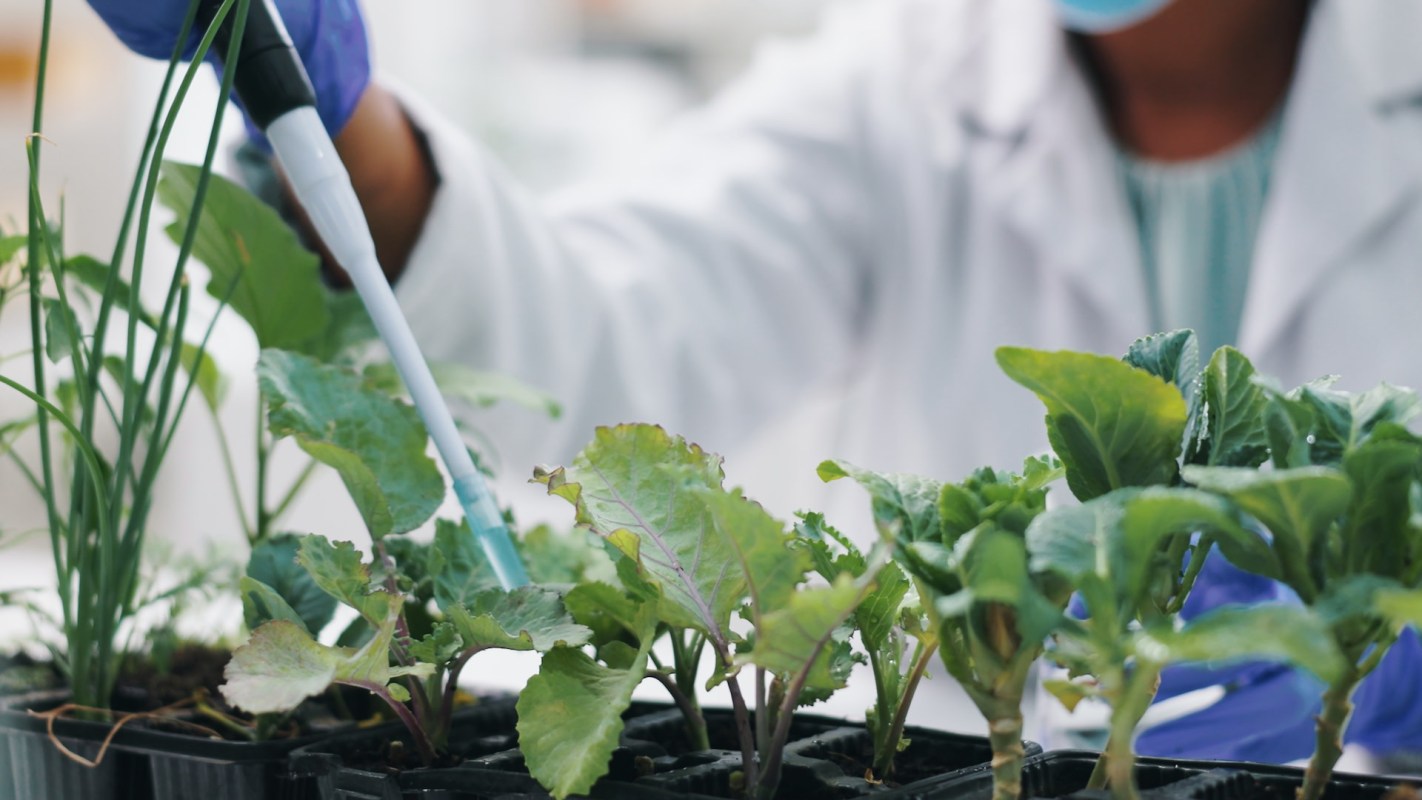
As global temperatures continue to rise, new research is uncovering troubling consequences beyond extreme weather and rising sea levels. A study led by Liverpool John Moores University in the United Kingdom and reported on by ScienceDaily has shed light on how higher levels of atmospheric carbon dioxide and higher temperatures may be zapping the nutritional value of everyday crops.
What's happening?
In a series of controlled experiments simulating future temperature and CO2 conditions in the U.K., researchers grew common leafy vegetables such as kale, spinach, and arugula. They discovered that although elevated CO2 can make plants grow faster, it also reduces their essential nutrients. The situation gets even worse when hotter temperatures are factored in, leading to smaller yields and more nutrient loss.
"It's crucial to understand these impacts," said Jiata Ugwah Ekele, the lead researcher on the project. "We are what we eat, and plants form the foundation of our food network."
Another important finding presented to the Society for Experimental Biology is that some crops were more affected than others. "This diversity in response highlights that we can't generalise across crops. This complexity has been both fascinating and challenging and reminds us why it's important to study multiple stressors together," Ekele said.
Why is this concerning for our food supply?
Nutritional deficiencies tied to climate-related crop changes could have far-reaching effects on human health. What's more, higher CO2 levels can increase the concentration of sugar in crops while also sapping their nutrients. Scientists warn that this imbalance could lead to weaker immune systems and increased rates of obesity and diabetes.
As with other recent research highlighting unexpected health impacts from rising global temperatures — such as increased cases of tick-borne illnesses and worsening air quality triggering respiratory conditions — this study adds another layer to the urgent need to address the pollution that is causing these changes.
TCD Picks » Quince Spotlight
💡These best-sellers from Quince deliver affordable, sustainable luxury for all




What's being done to protect crops?
Researchers are calling for more cross-disciplinary work among plant scientists, climate experts, and public health professionals to better prepare for these emerging risks. "By studying these interactions, we can better predict how climate change will shape the nutritional landscape of our food and work toward mitigating those effects," Ekele said.
At the policy level, investing in agricultural innovation and breeding climate-resilient crops could help mitigate these future threats to the food supply. For people at home, supporting local and regenerative farms and reducing food waste can contribute to a more resilient food system. Growing your own food also gives you better access to organic fruits and vegetables while supporting local ecosystems and pollinators.
|
Do you worry about air pollution in your town? Click your choice to see results and speak your mind. |
 All the time 💯
Join our free newsletter for weekly updates on the latest innovations improving our lives and shaping our future, and don't miss this cool list of easy ways to help yourself while helping the planet.






