


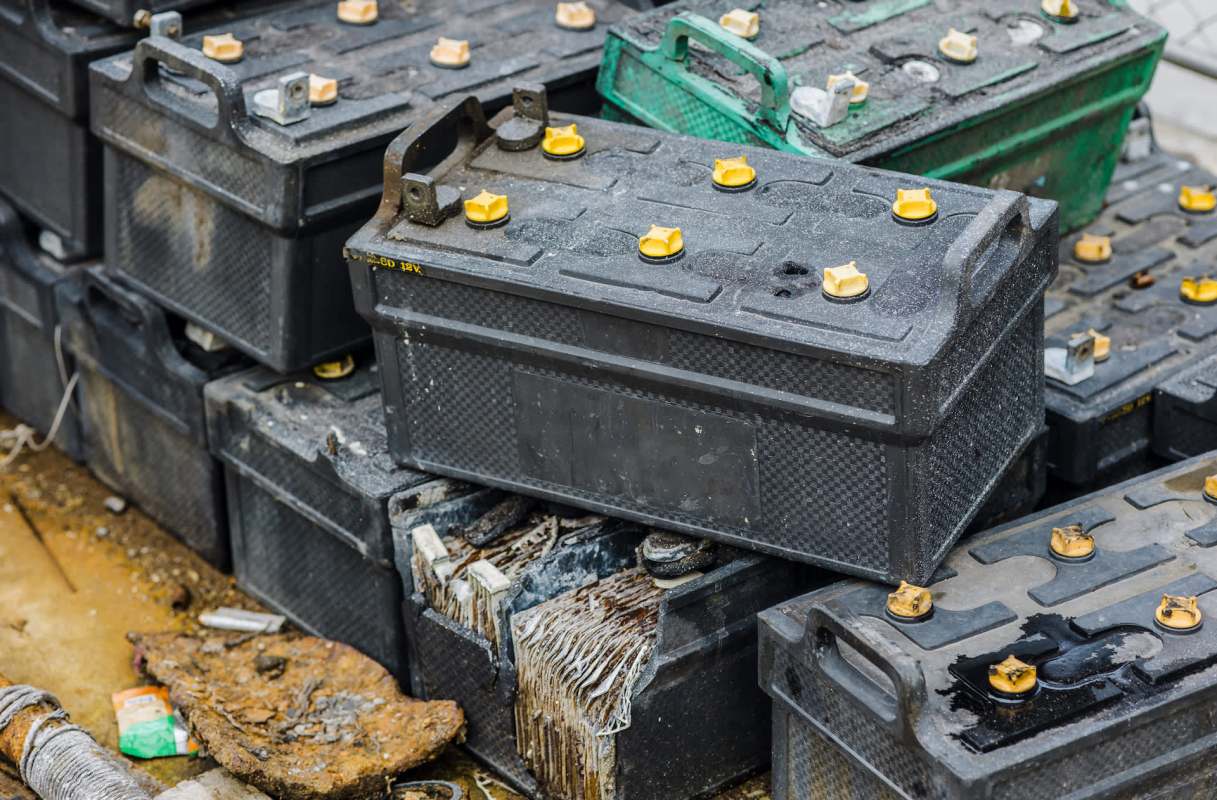
A collaborative EV battery recycling initiative has just received official approval from the Norwegian Environment Agency, which sets the country on a path towards scalability to handle a growing number of decommissioned lithium-ion batteries.
Autoretur Battery Recycling (ABR) was established by the Norwegian Association of Vehicle Importers and represents a unified approach in recycling old EV batteries, according to a Discovery Alert report.
Norway is currently the world leader in EV adoption, with electric vehicles accounting for 88.9% of 2024 car sales and outnumbering gas-powered vehicles on the road for the first time.
Since lithium-ion batteries typically degrade within eight to ten years, there's soon to be an influx of end-of-life batteries.
Each battery contains a wealth of valuable materials that can help stabilize the supply chain and potentially offer up to 50% less pollution compared to mining virgin materials, the report added.
"With the approval in place, we can offer a comprehensive and safe solution for the collection, handling and treatment of high-energy batteries. This is circular economy in practice," Erik Andresen, CEO of ABR, told the outlet.
ABR will fulfill the Extended Producer Responsibility requirements for vehicle importers in Norway. These regulations hold manufacturers and importers responsible for products throughout their lifecycle, all the way through end-of-life handling and recycling.
The company will centralize the recycling efforts, taking some of the pressure off vehicle importers who would have otherwise needed to develop individual programs.
As a joint effort, the report said that ABR could create economies of scale that single companies could not have achieved, while also reducing the administrative burden through centralized reporting, thereby streamlining regulatory compliance.
These recycling efforts will help reduce the environmental impact of EV batteries by extracting valuable metals like lithium, cobalt, nickel, and manganese for reuse in new battery manufacturing.
TCD Picks » Quince Spotlight
💡These best-sellers from Quince deliver affordable, sustainable luxury for all




|
What is your biggest concern with EV batteries?
Click your choice to see results and speak your mind. |
 They're not efficient enough ⚡
 A sharp increase in discarded high-energy batteries is expected over the next five years, according to the report.
"This makes it absolutely crucial to put in place a system that ensures safe and efficient collection and treatment of used batteries from electric vehicles," Andresen told the outlet.
ABR's recycling system is designed to handle an initial capacity of up to 50,000 decommissioned batteries each year by 2030.
Looking forward, the company projects a 100% increase by 2035, at which point the volume is expected to exceed 100,000 batteries annually.
Not only will this effort provide jobs in the region, but it will also serve to reduce carbon pollution for new battery production, reduce the need for raw material extraction that disrupts habitats, and prevent potential contamination by overseeing appropriate disposal methods.
Norway is leading the way toward a more sustainable transportation system, but the world is slowly and steadily joining the EV revolution.
Electric vehicle sales exceeded 17 million globally in 2024, representing 20% of all car sales, and are projected to exceed 20 million by the end of 2025, according to the International Energy Agency.
You can do your part in shifting away from vehicles that burn dirty fuels and instead choose a more efficient and sustainable EV as your next daily driver.

Join our free newsletter for weekly updates on the latest innovations improving our lives and shaping our future, and don't miss this cool list of easy ways to help yourself while helping the planet.
Cool Picks





